


FINAL CONFERENCE
From Evidence to Access – Rethinking Healthcare Decision-Making in Europe
21 October 2026 | The Dominican, Brussels
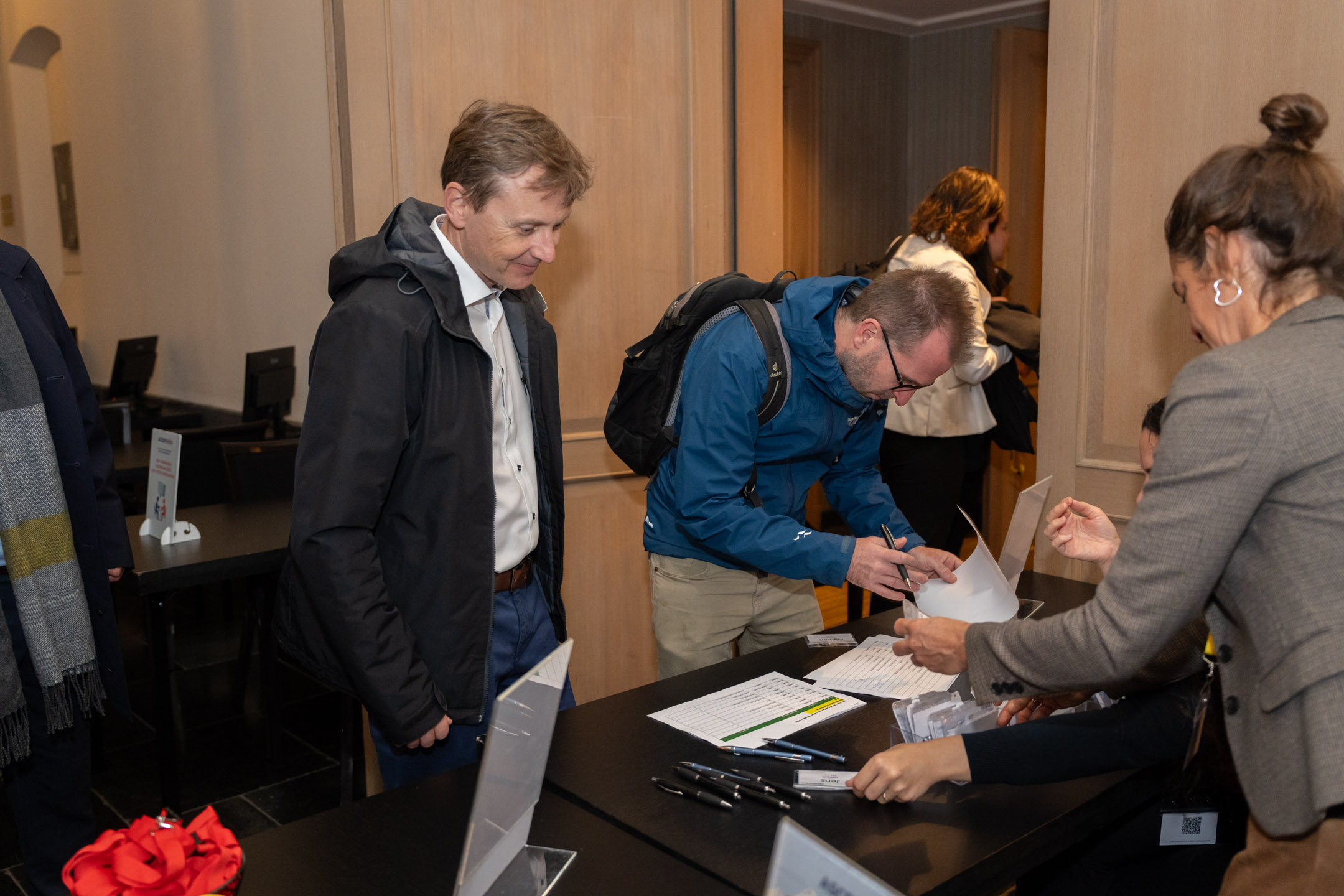
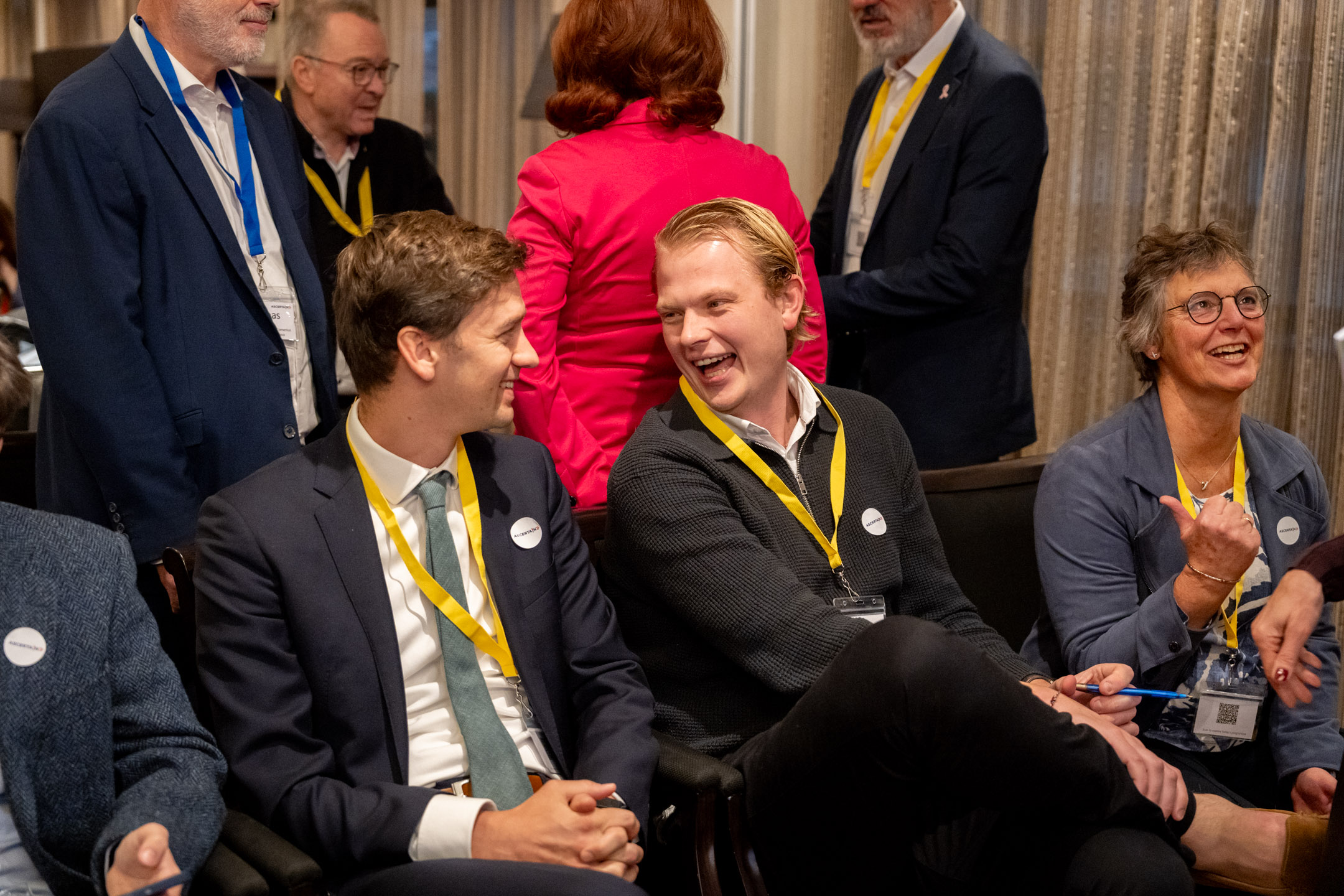
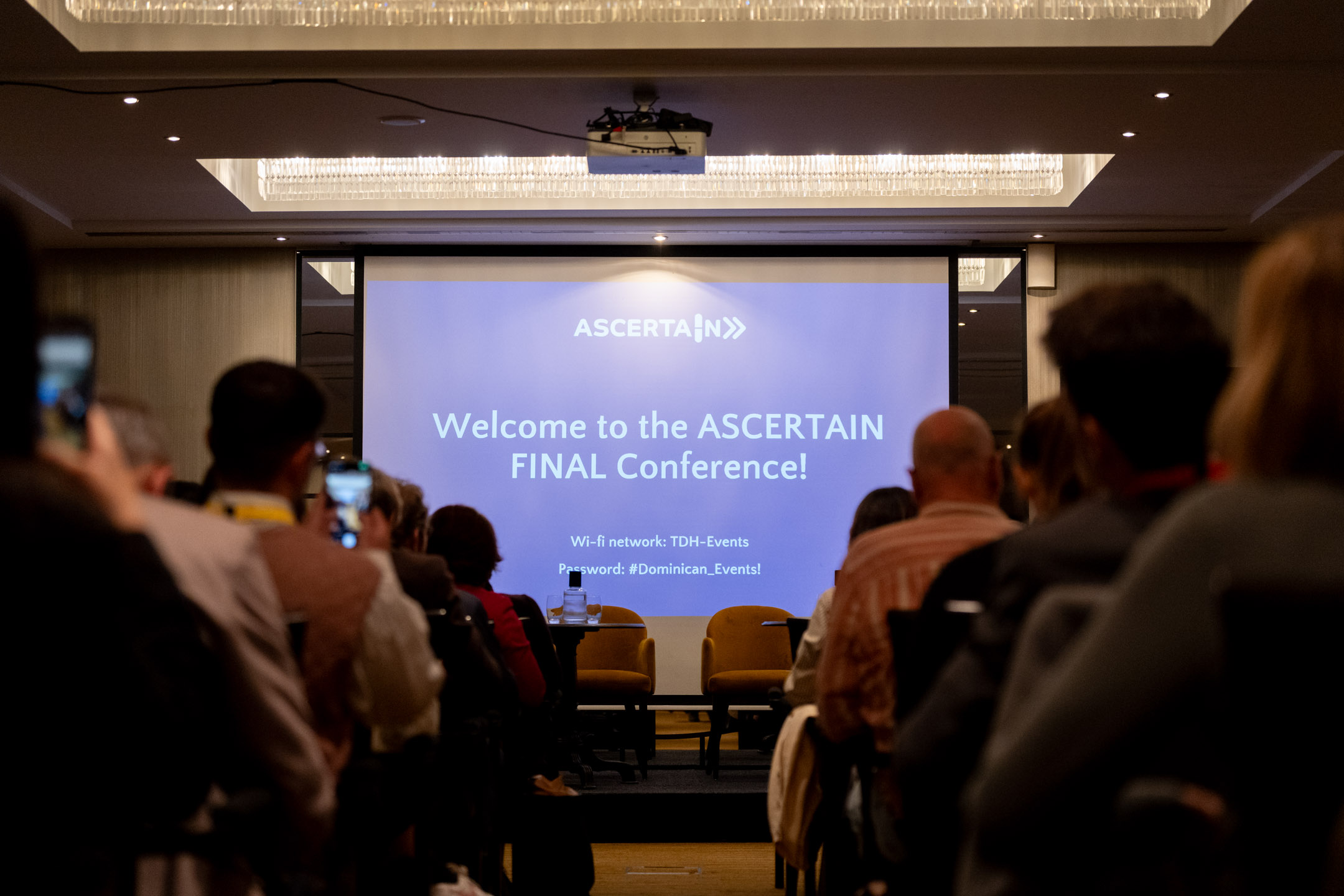
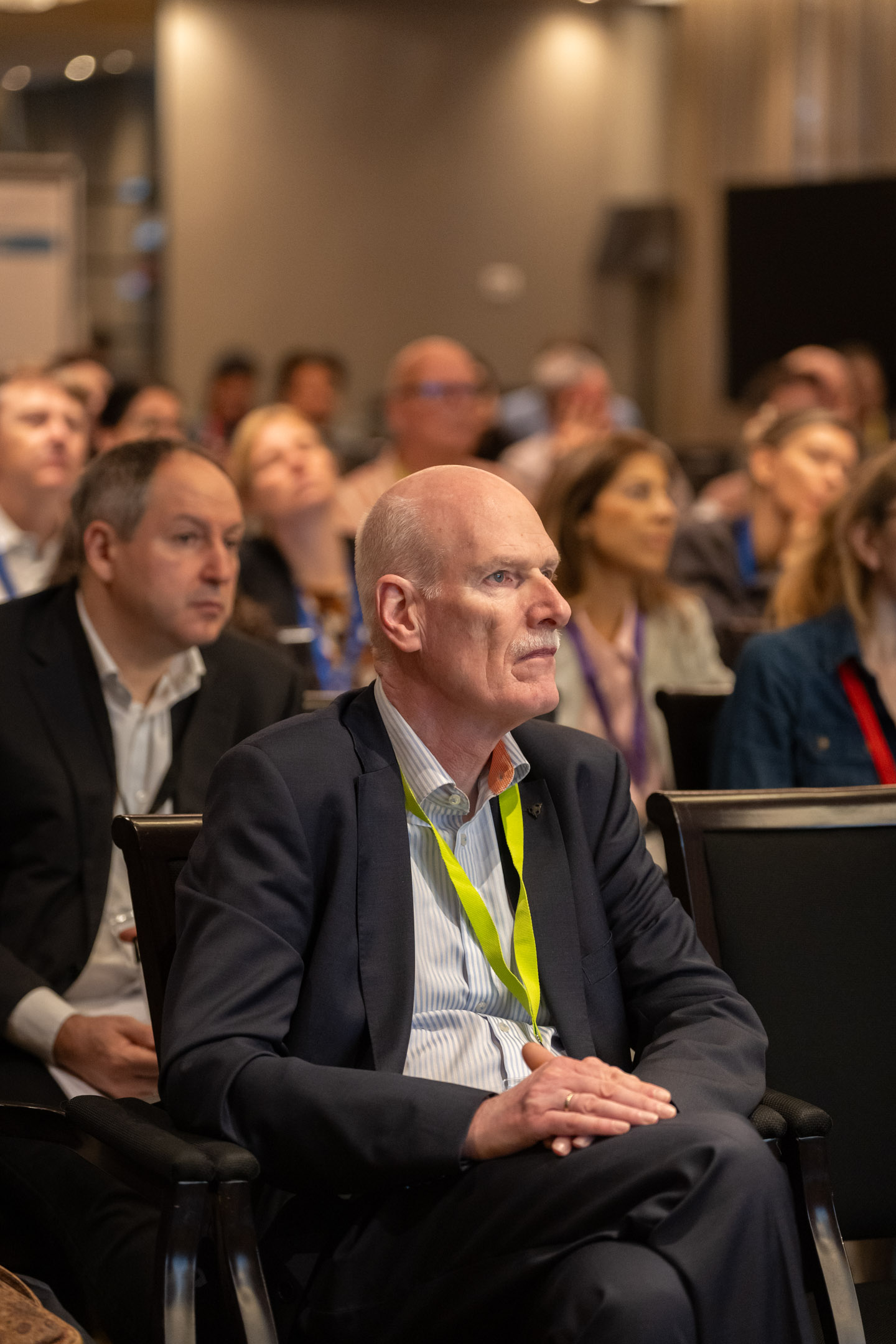
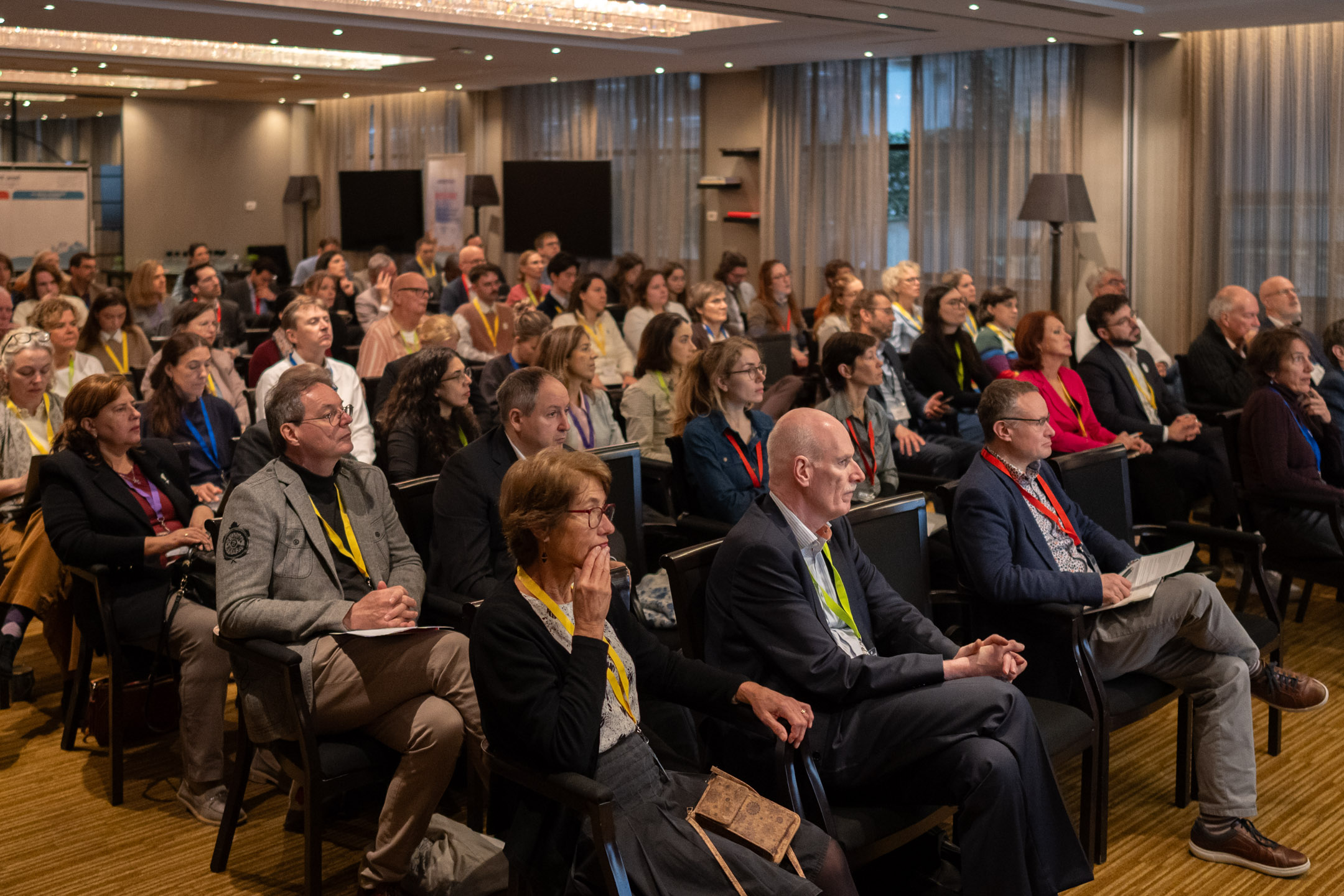
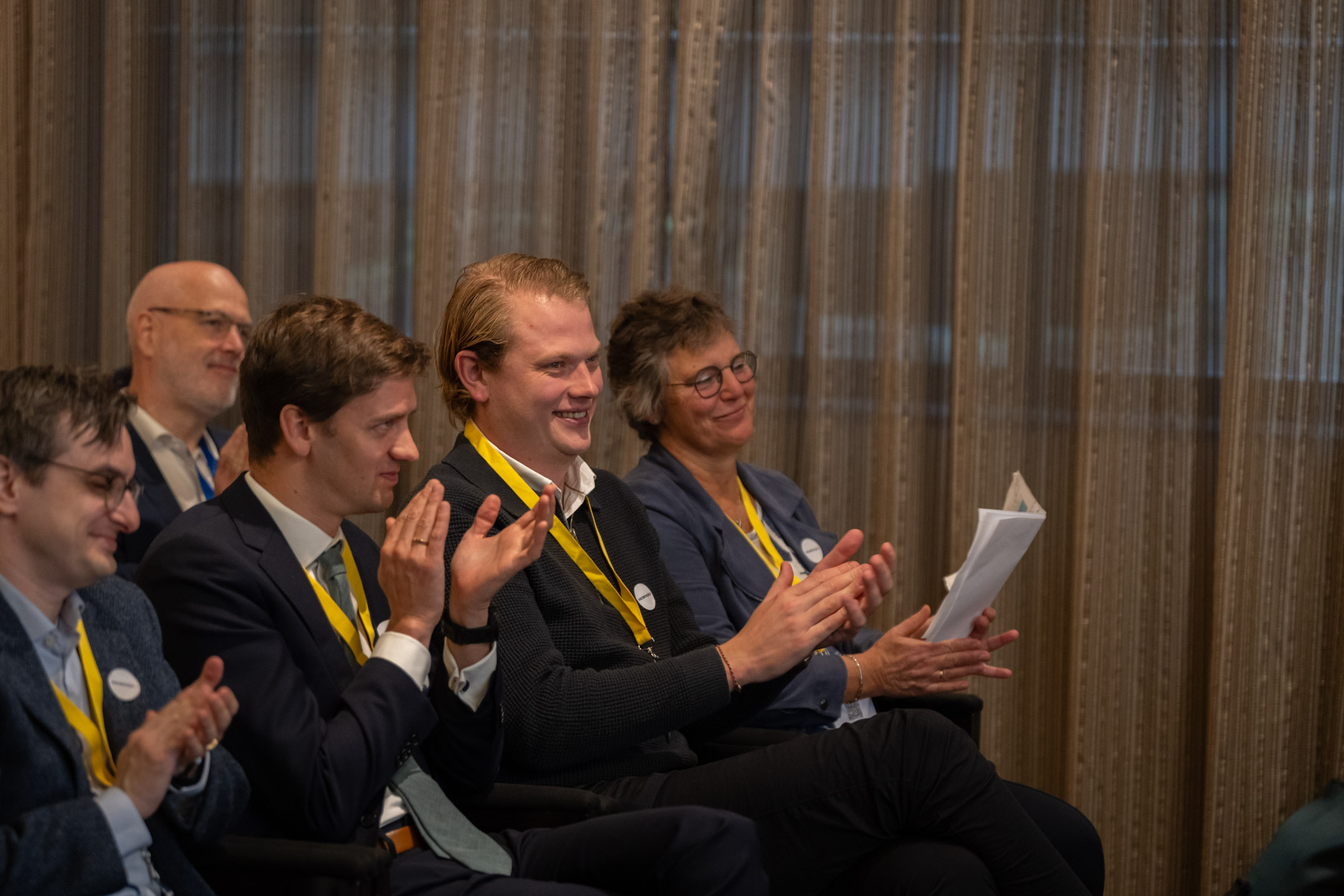
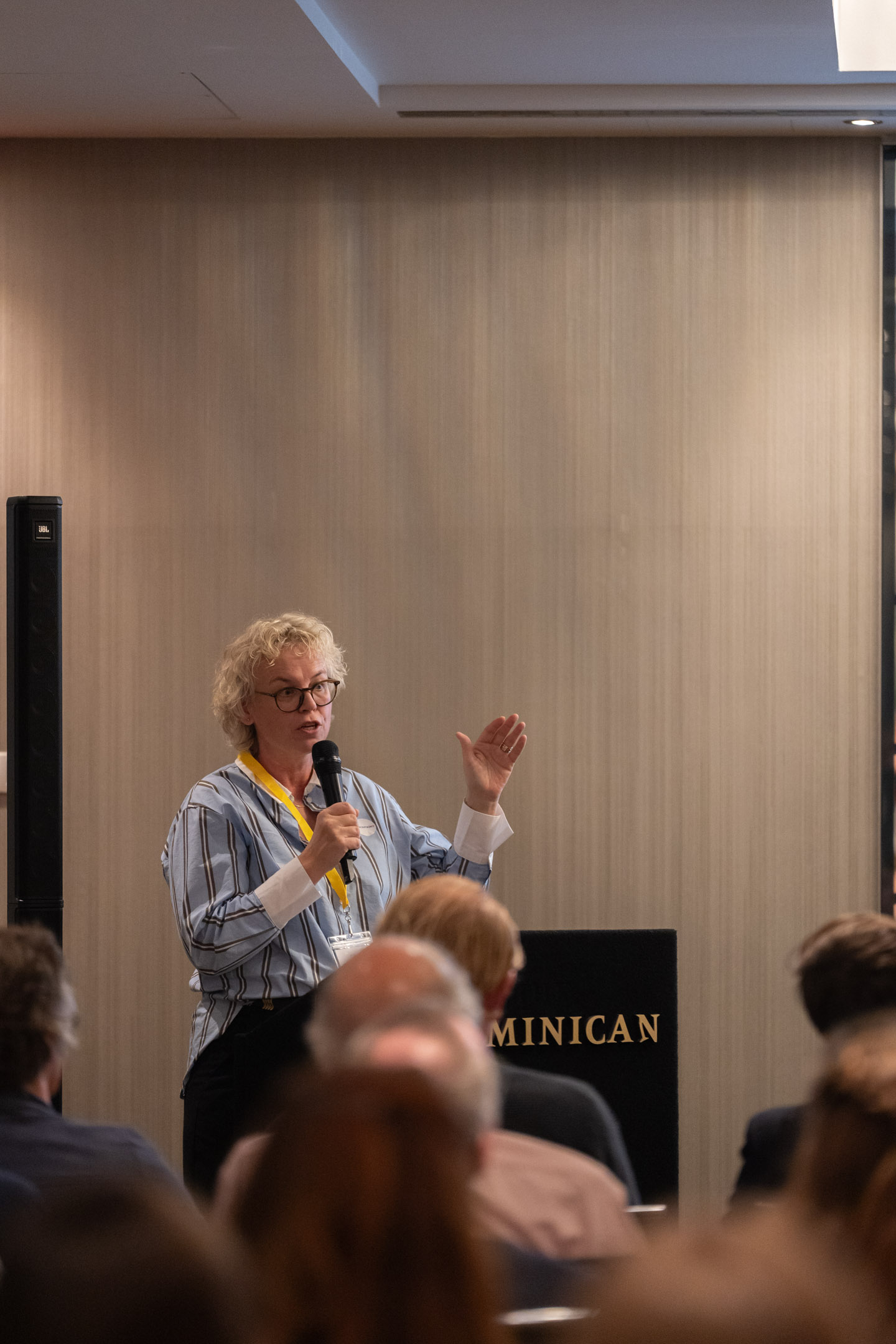
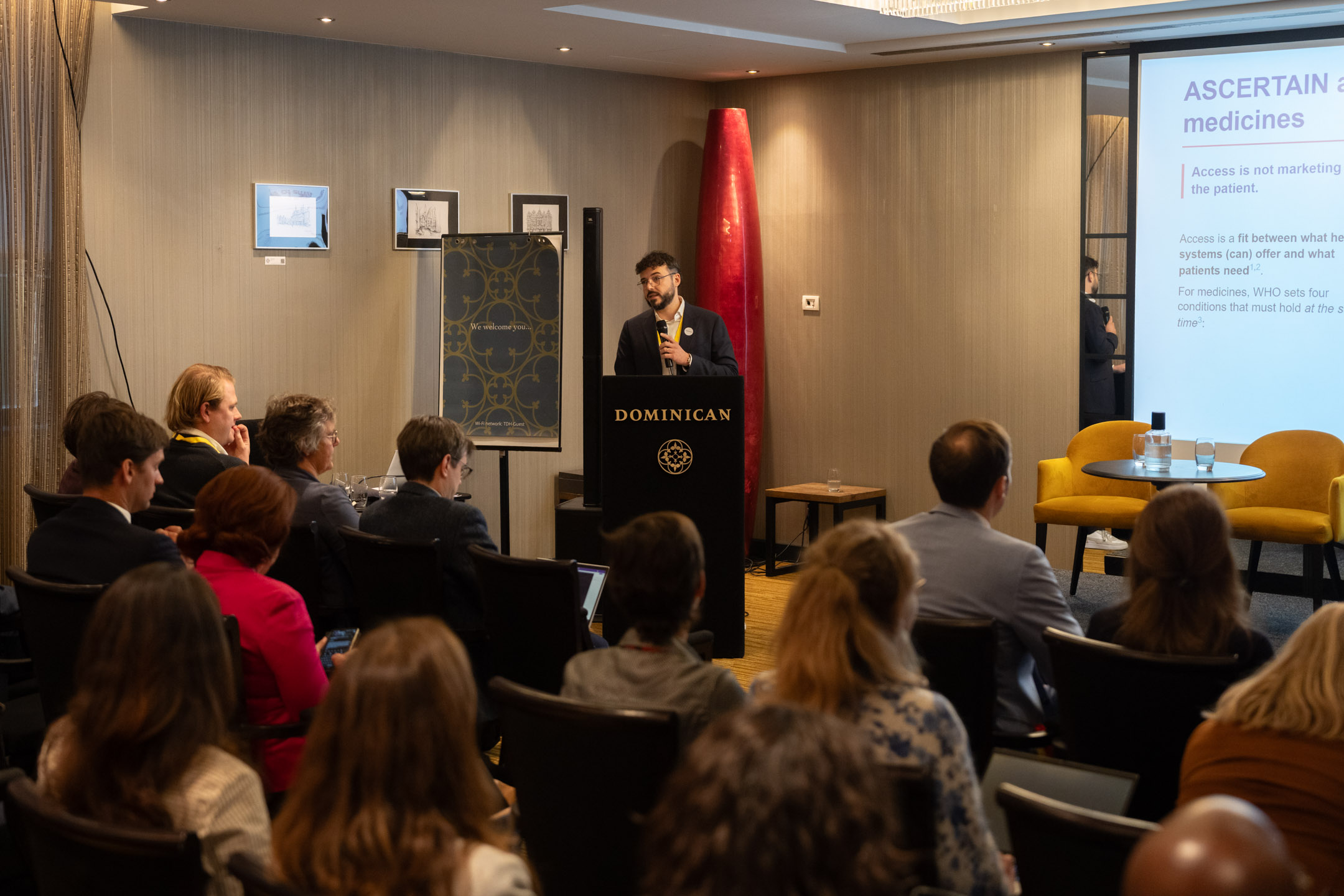
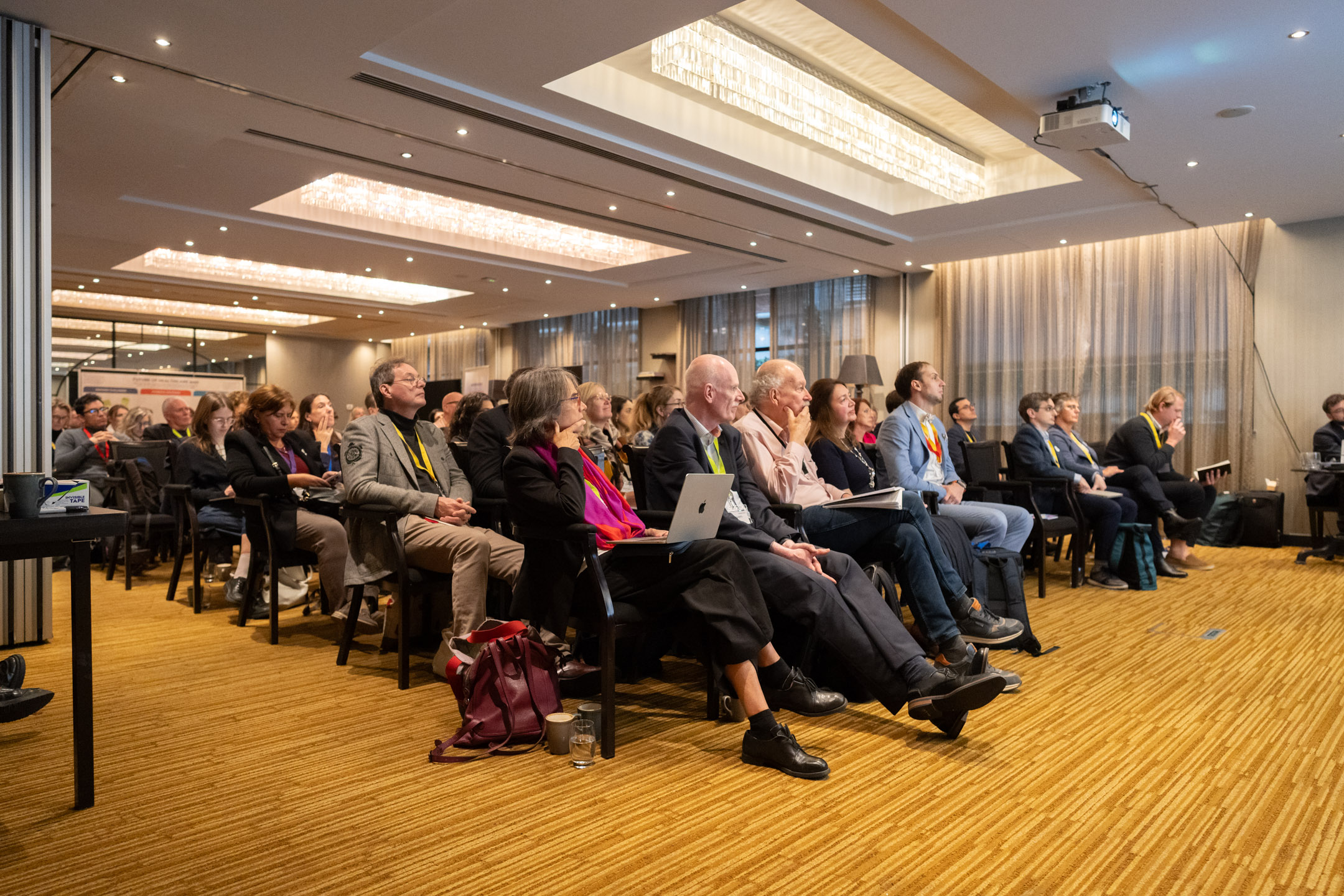
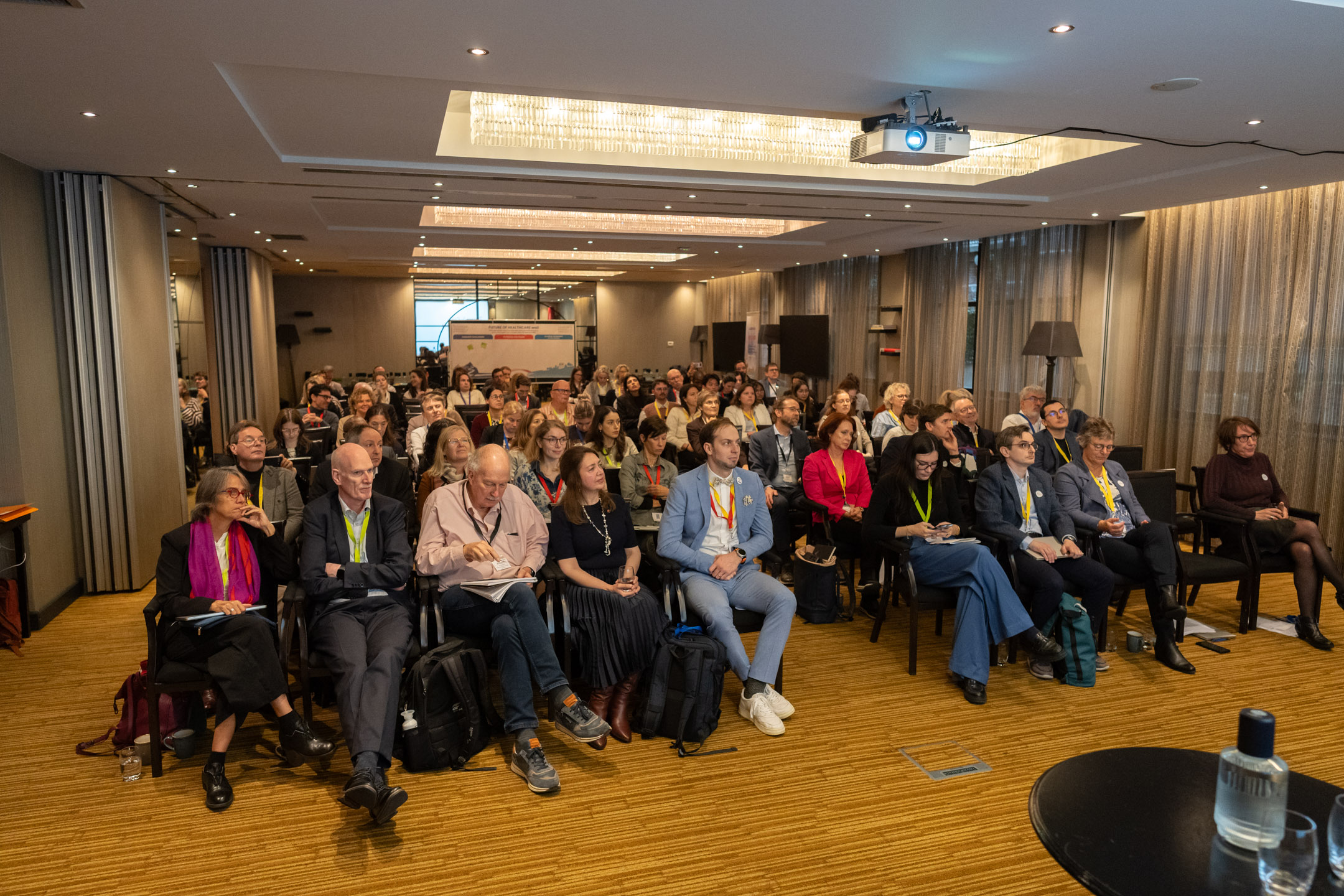
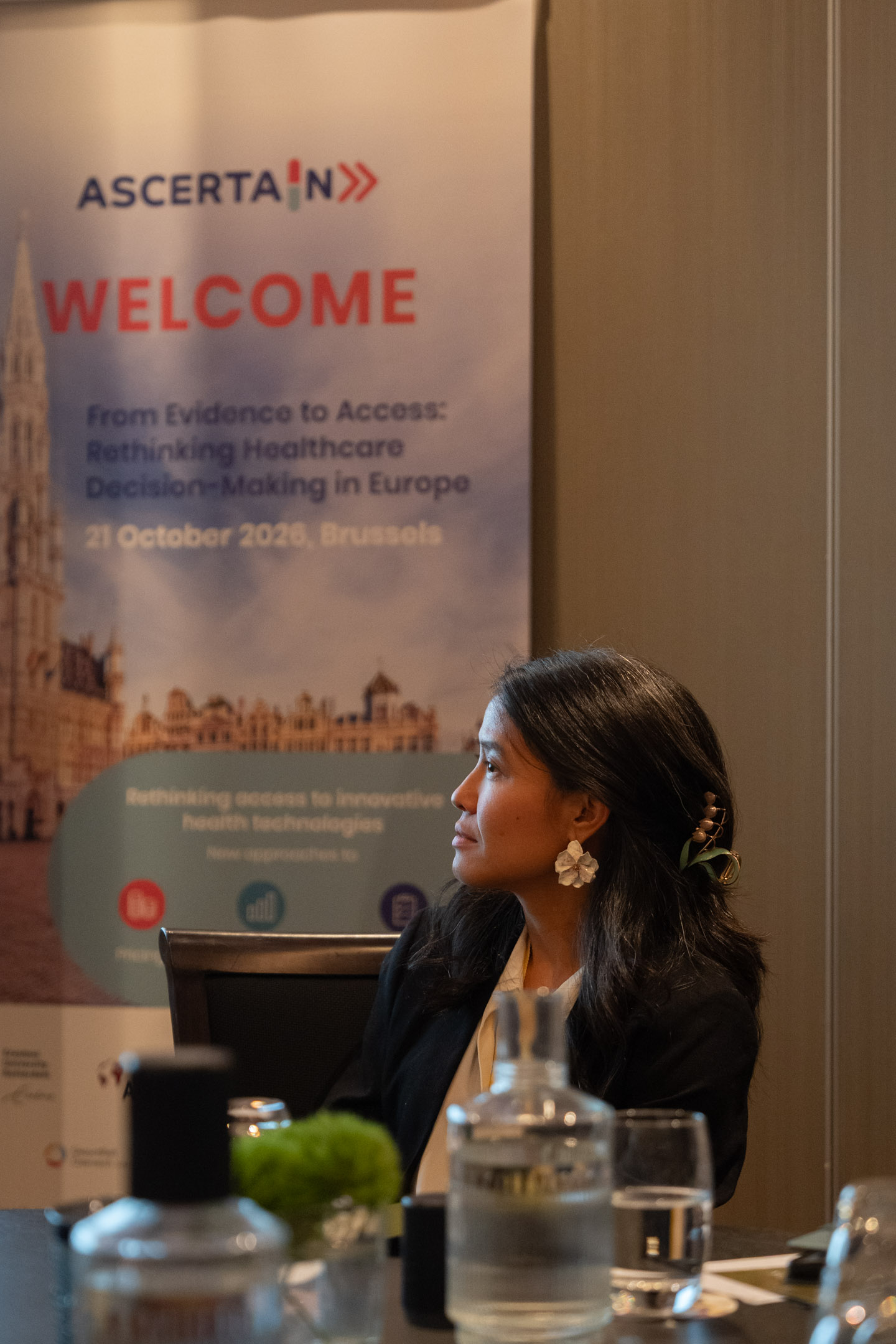
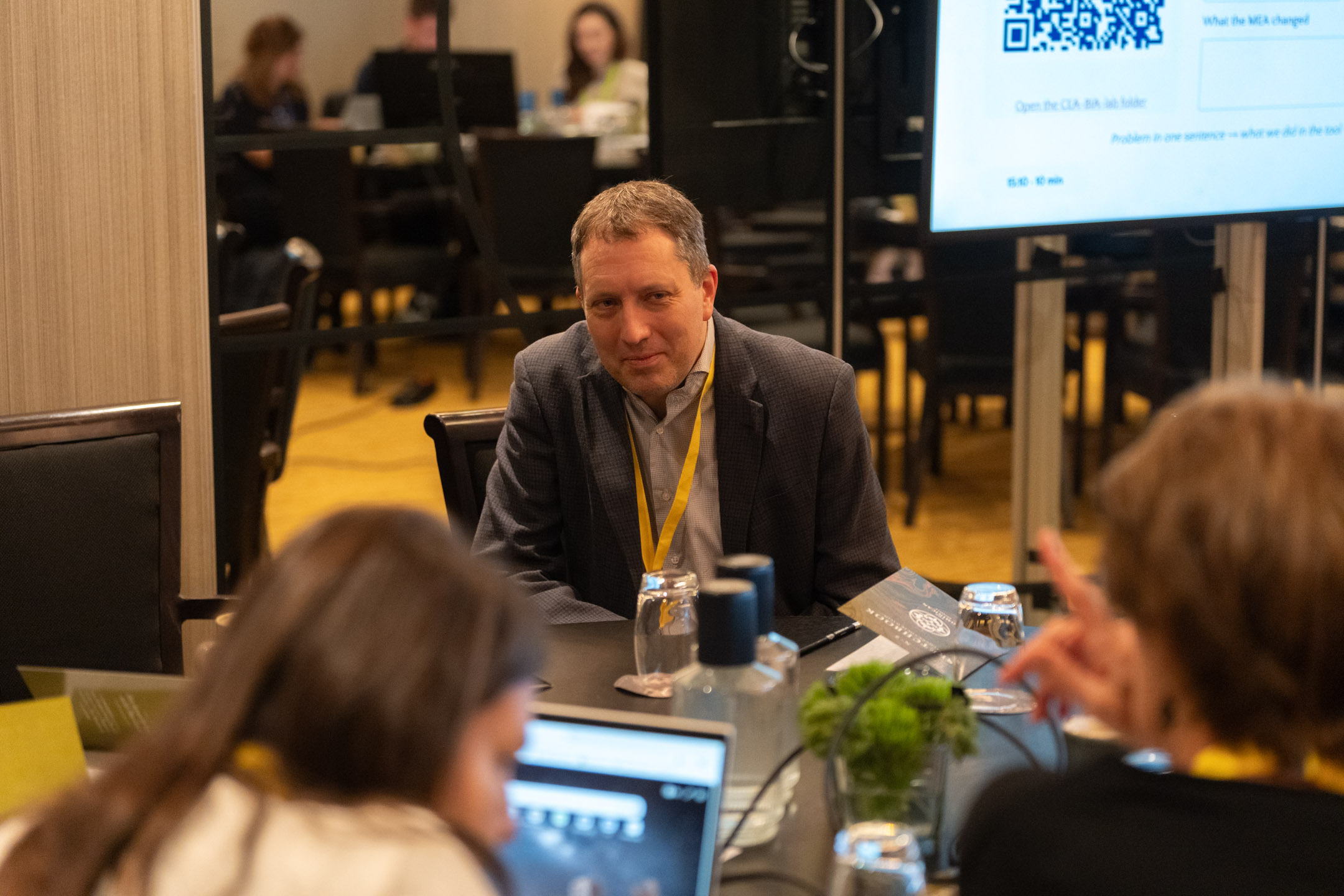
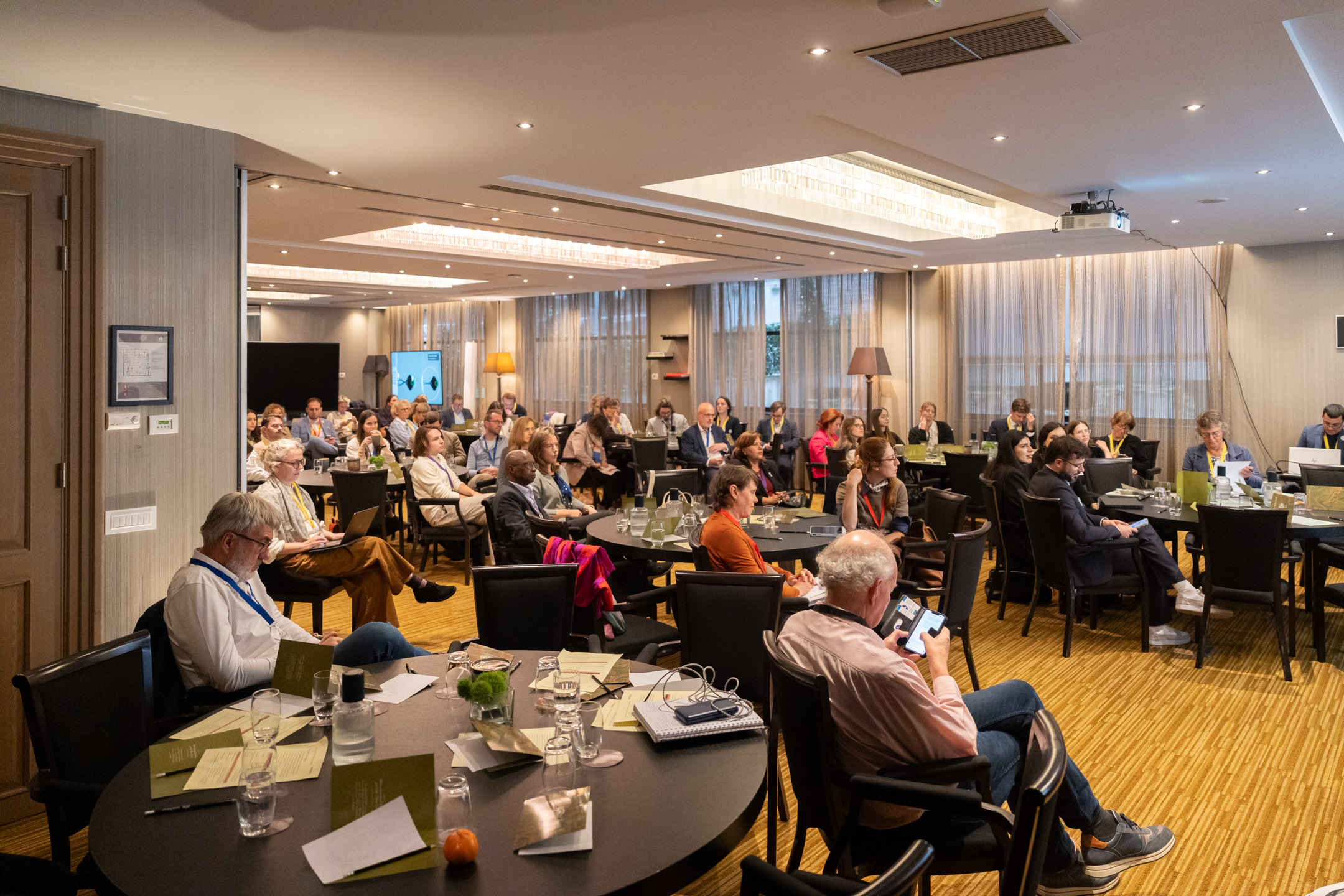
On 21 October 2026, the ASCERTAIN Final Conference brought together policymakers, HTA bodies, payers, patient representatives, industry, researchers, and healthcare professionals in Brussels to explore new approaches to improving access to innovative health technologies in Europe.
As the Horizon Europe-funded ASCERTAIN project approached its conclusion, the conference provided an opportunity to present its novel pricing, cost-effectiveness, and reimbursement models, demonstrate the open-access Policy Support Tool, and discuss their potential application in real-world healthcare decision-making.
Throughout the day, participants explored the project’s three healthcare use cases – personalised cancer medicines, CAR T-cell therapies, and Next Generation Sequencing (NGS) tests for precision oncology – while exchanging perspectives on the future of equitable access, affordability, and healthcare innovation in Europe.
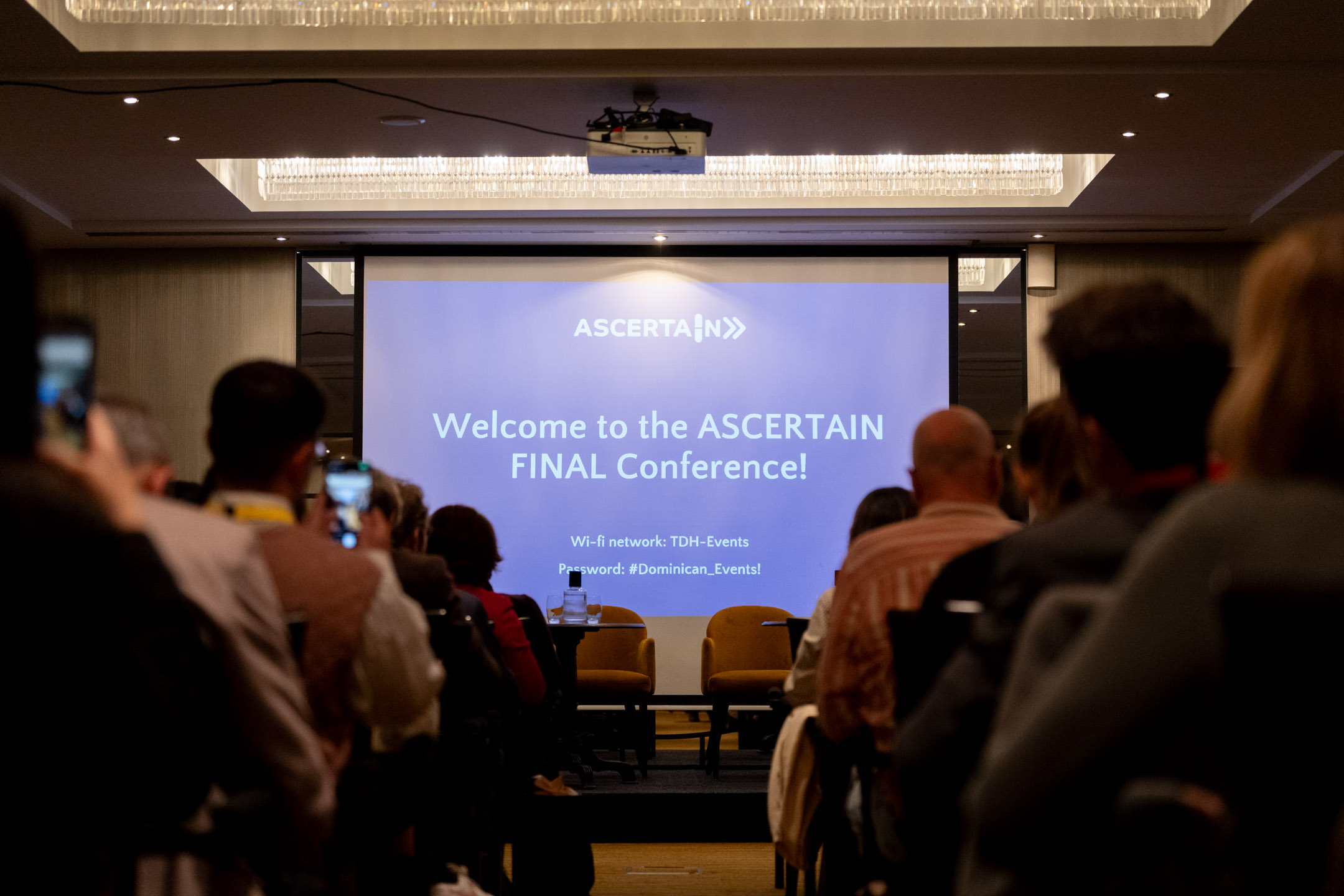
Setting the Scene: Affordability, Access and European Healthcare Policy
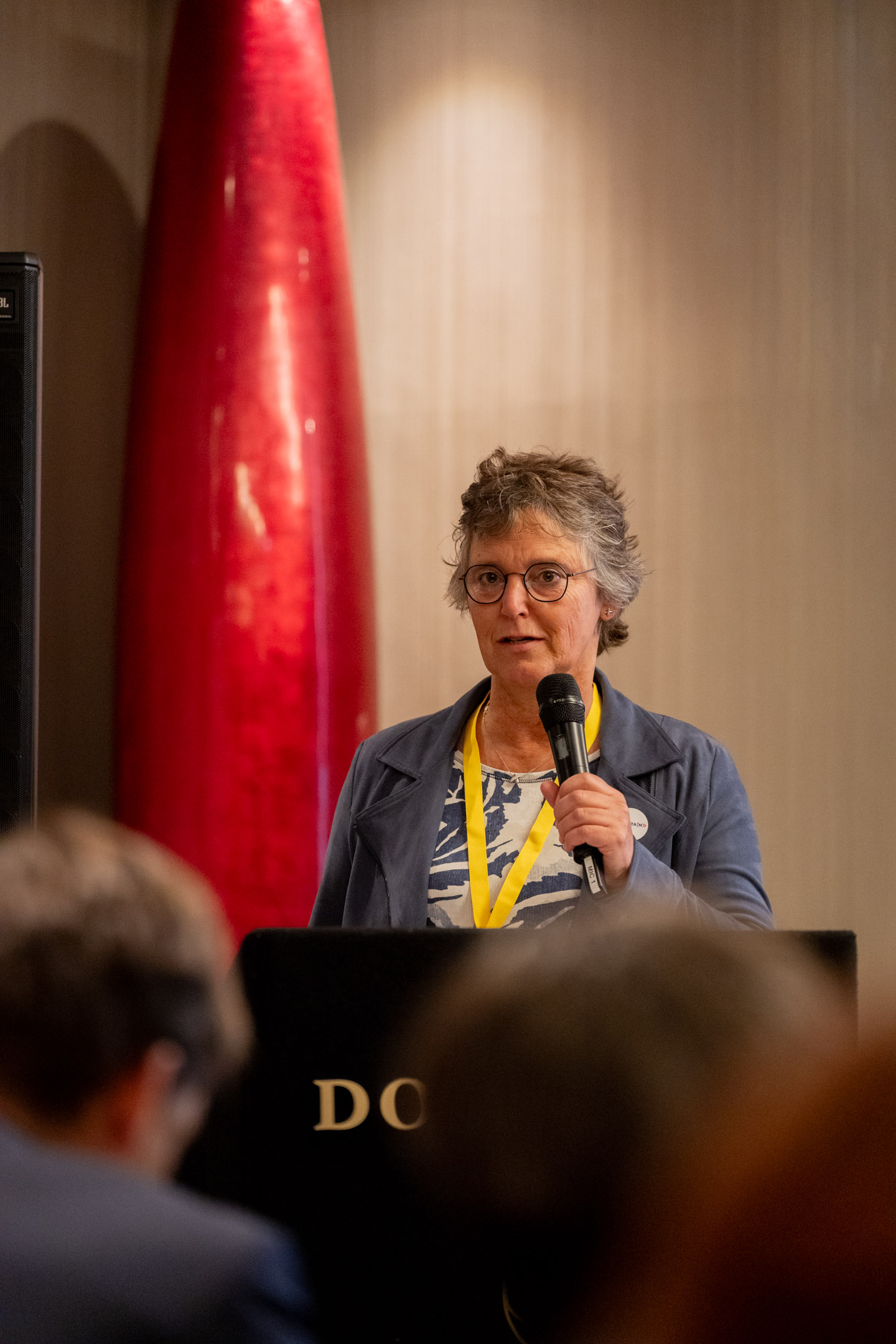
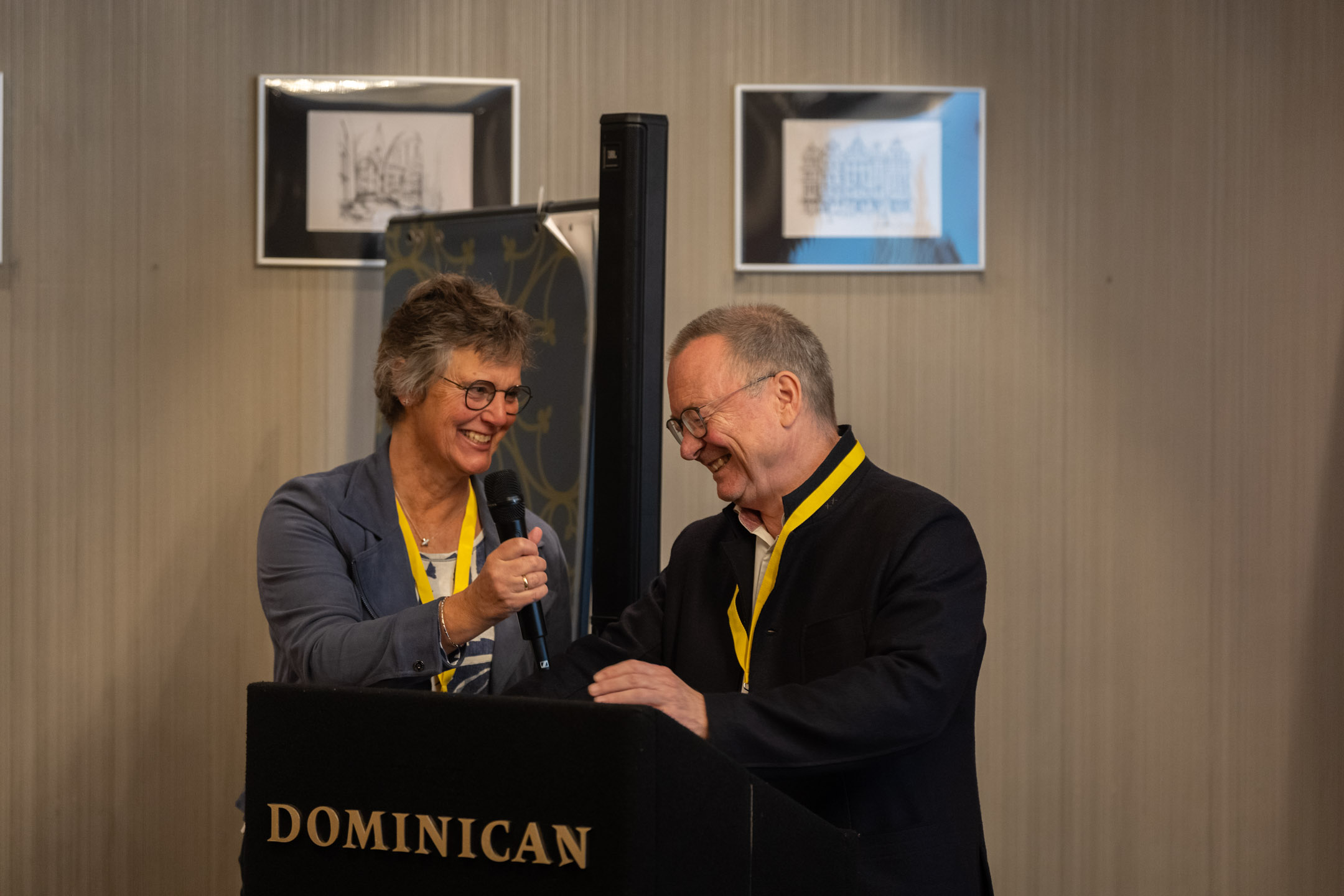
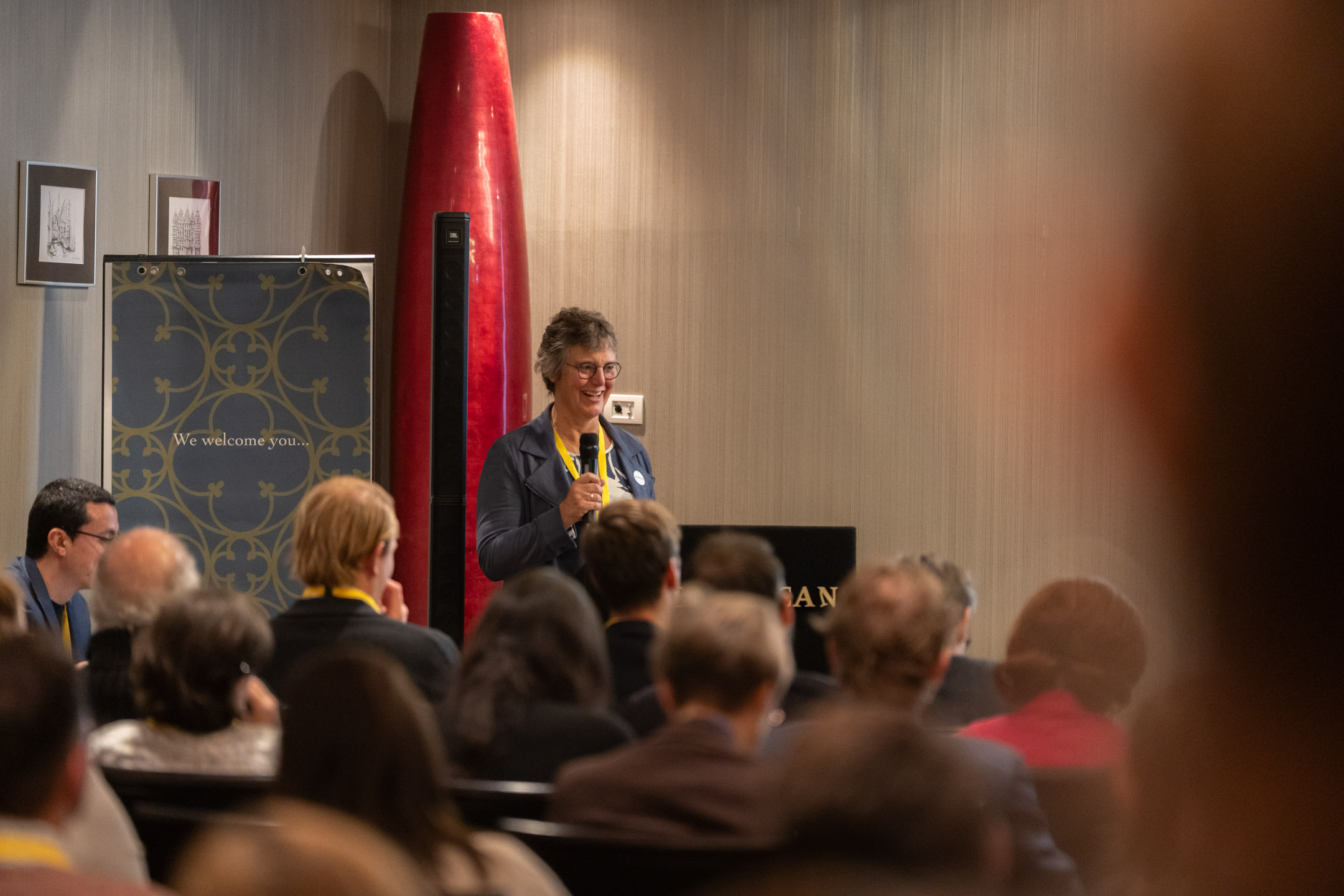
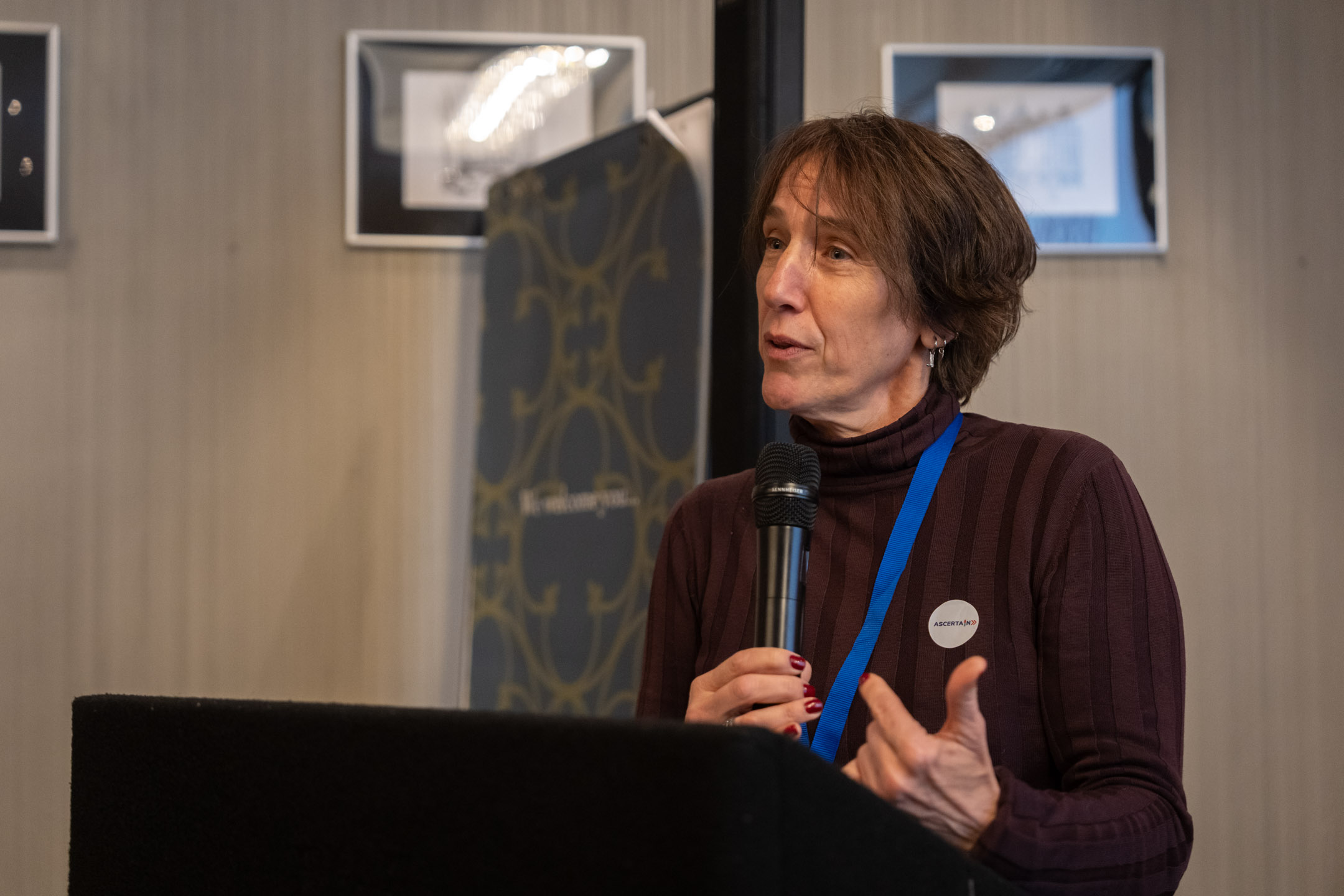
The conference opened with a welcome by Prof. Carin Uyl-de Groot, ASCERTAIN Project Coordinator at Erasmus University Rotterdam.
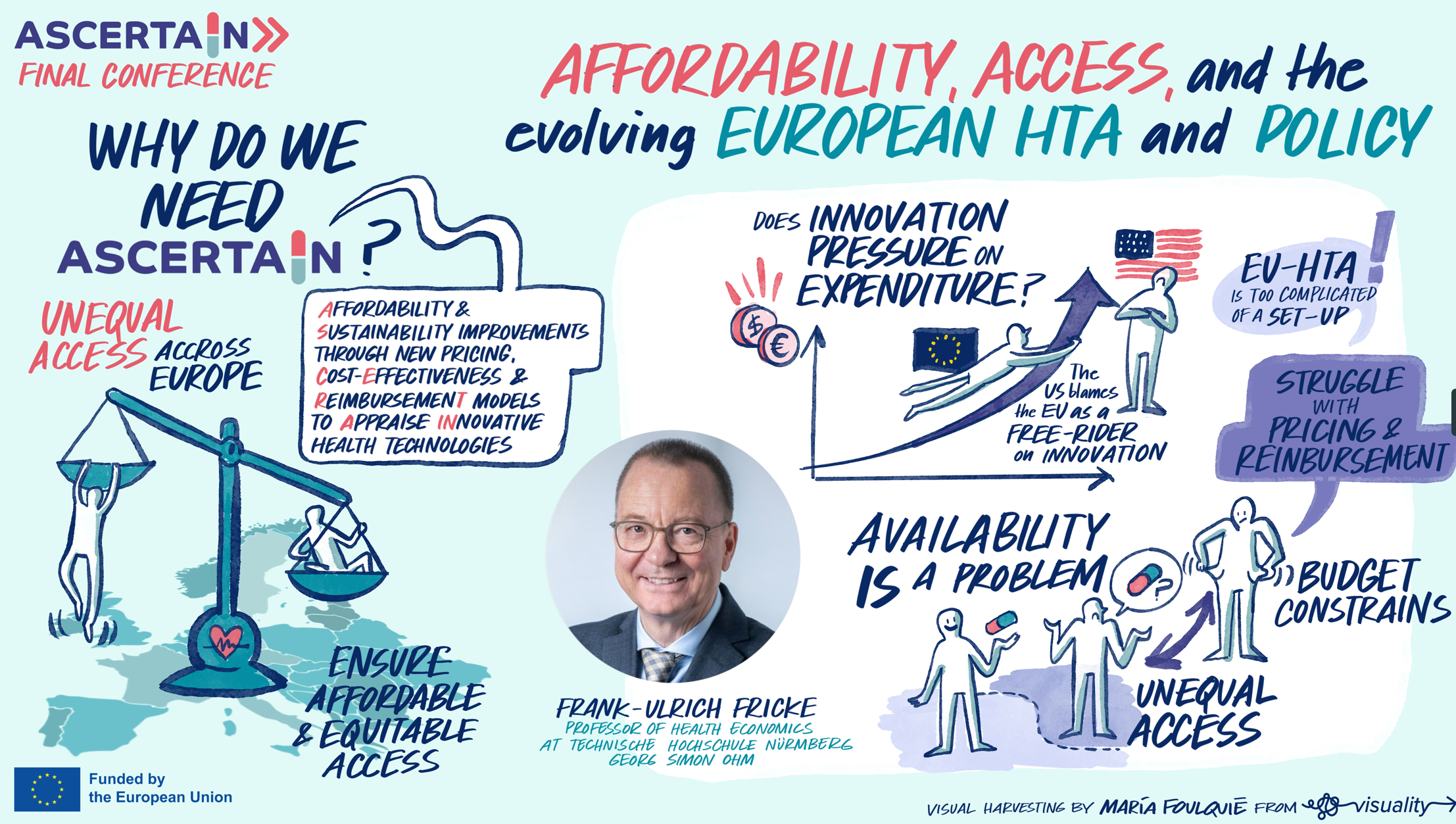
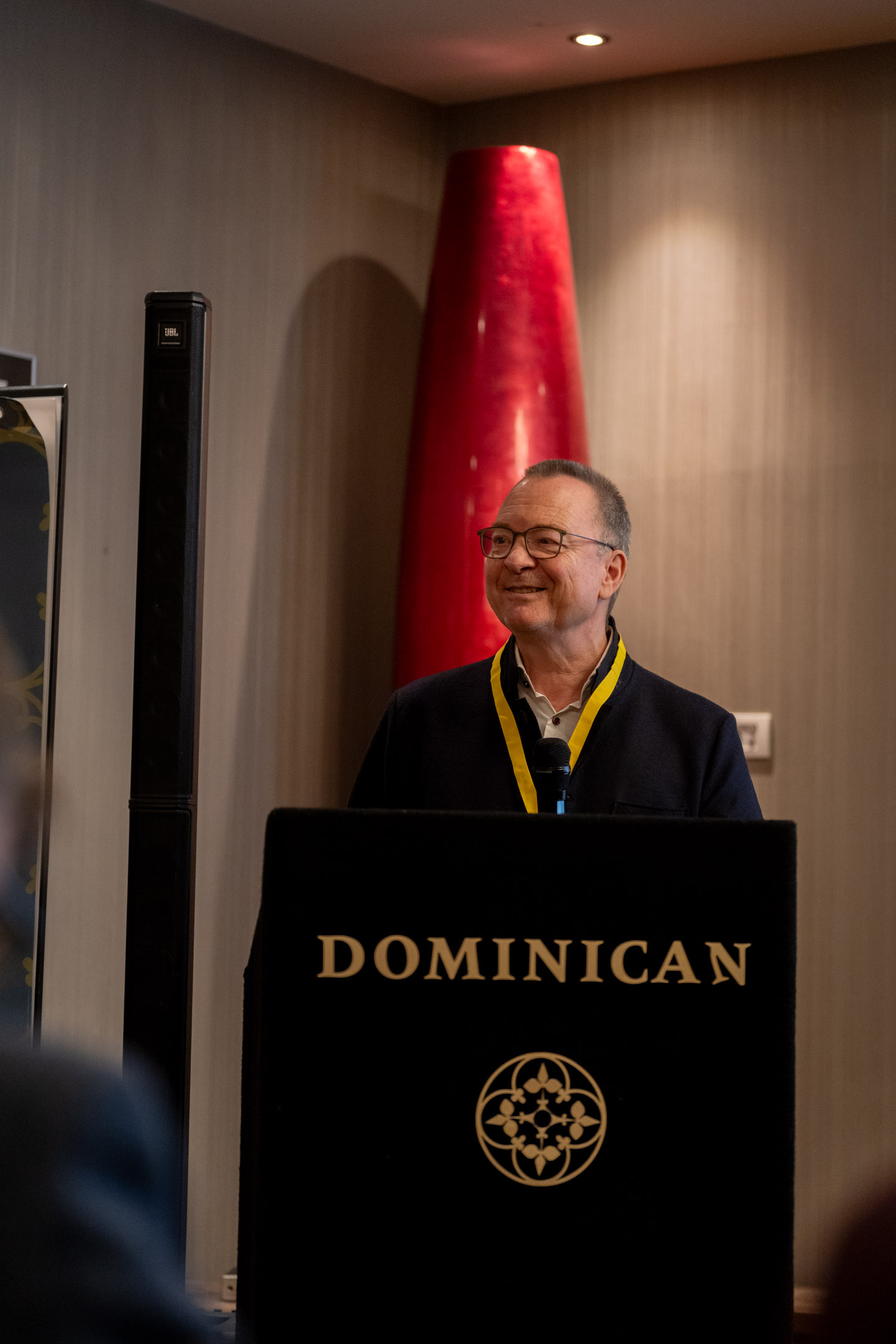
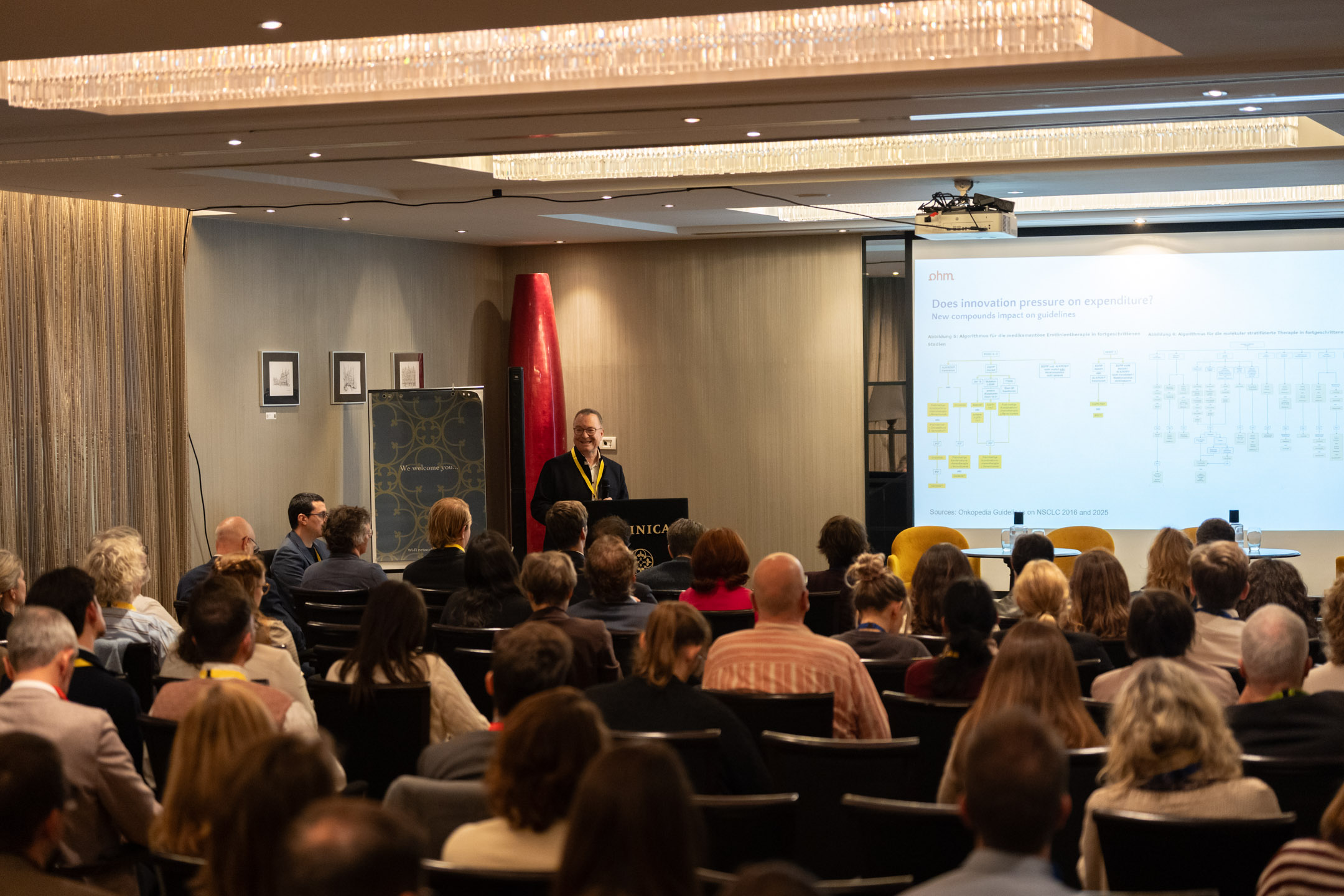
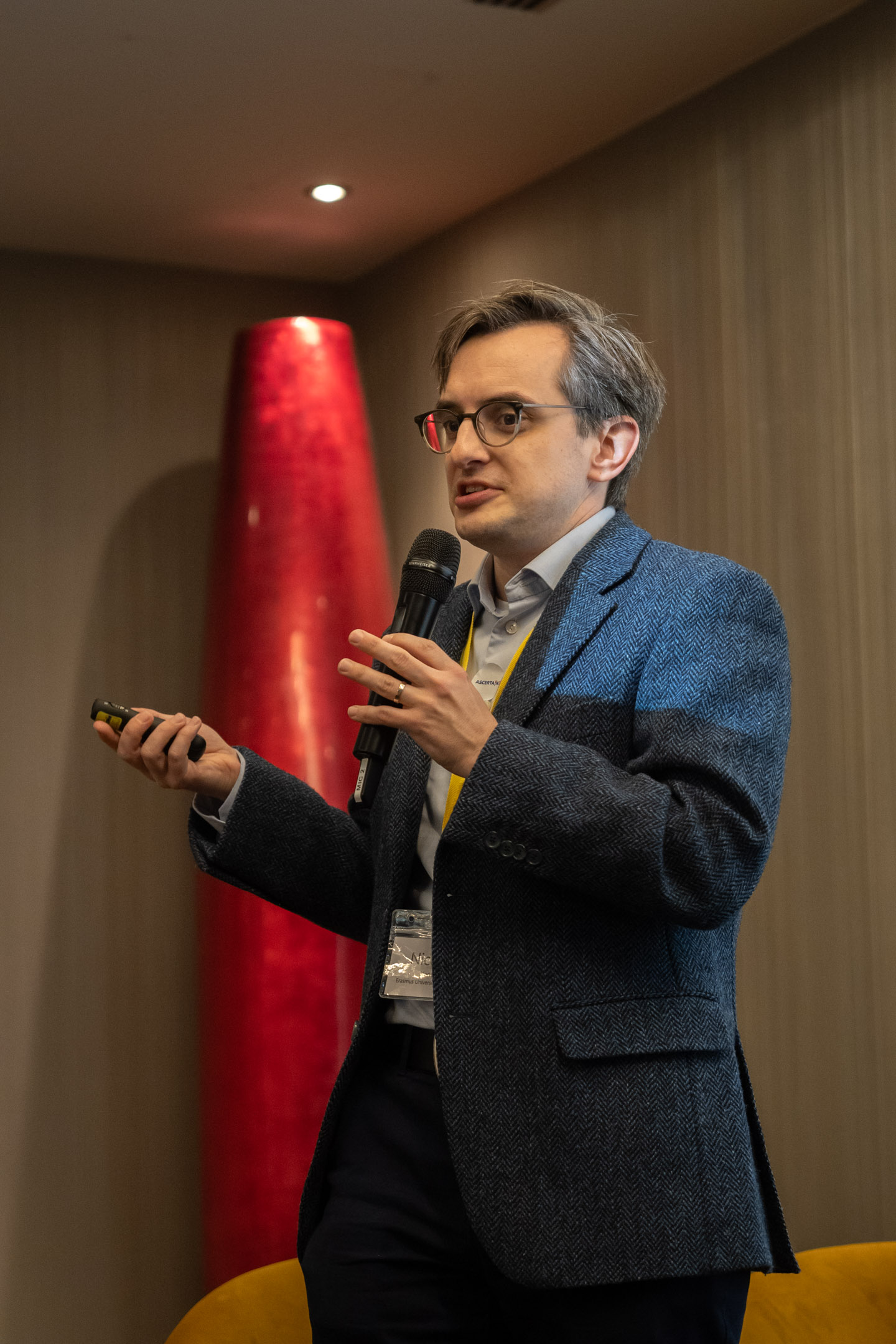
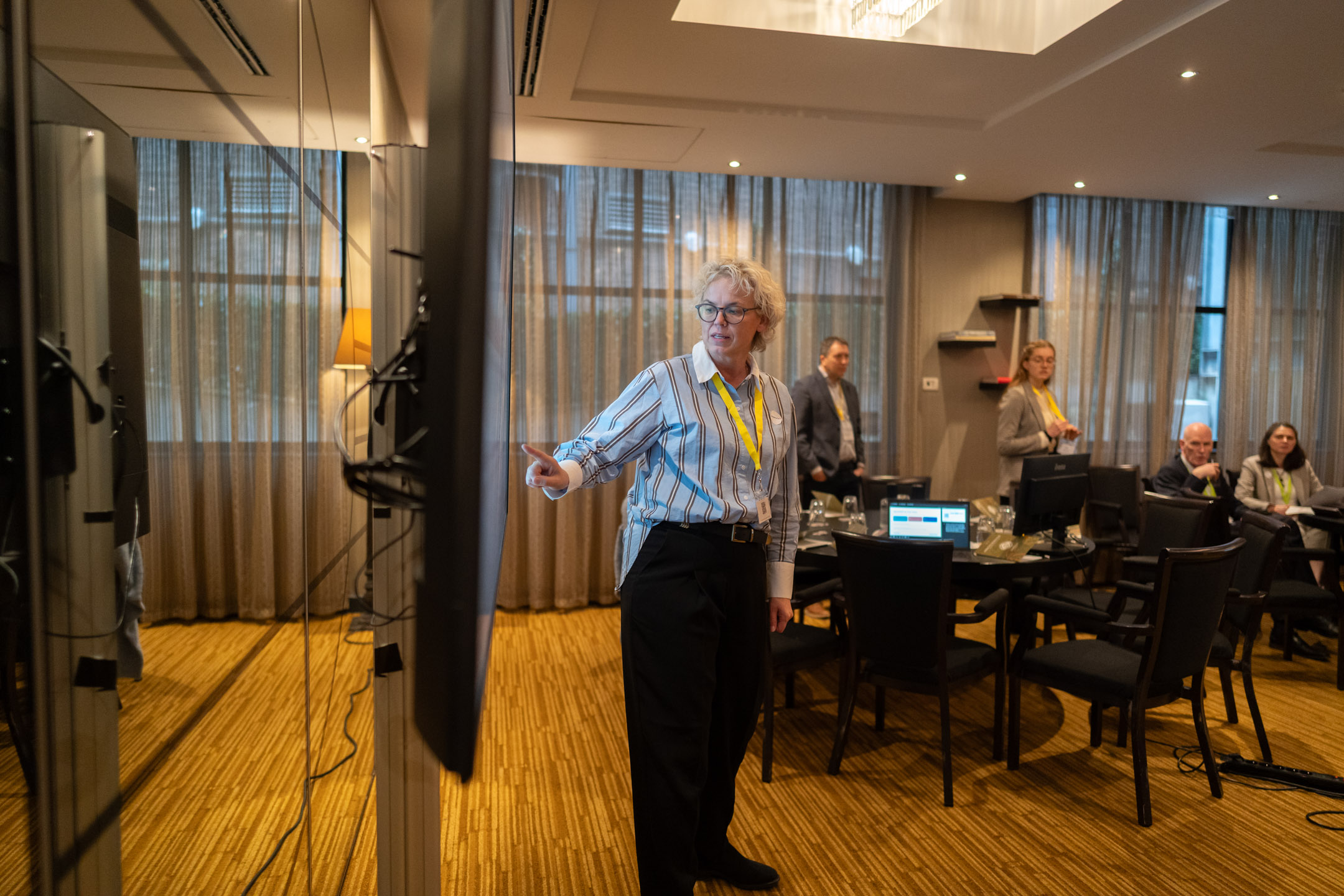
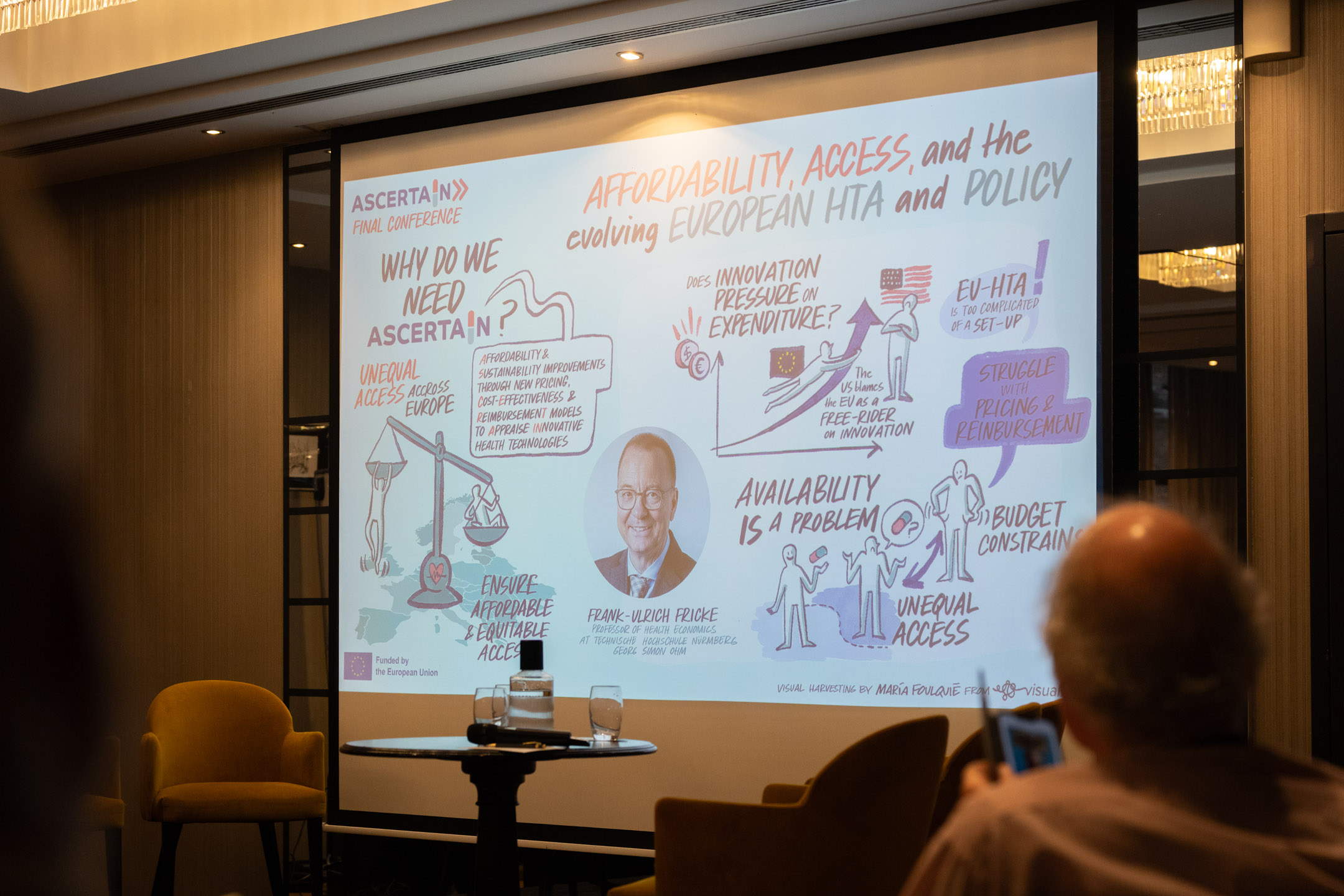
In his keynote, Prof. Dr. Frank-Ulrich Fricke from Technische Hochschule Nürnberg Georg Simon Ohm addressed affordability, access, and the evolving European Health Technology Assessment (HTA) and policy landscape.
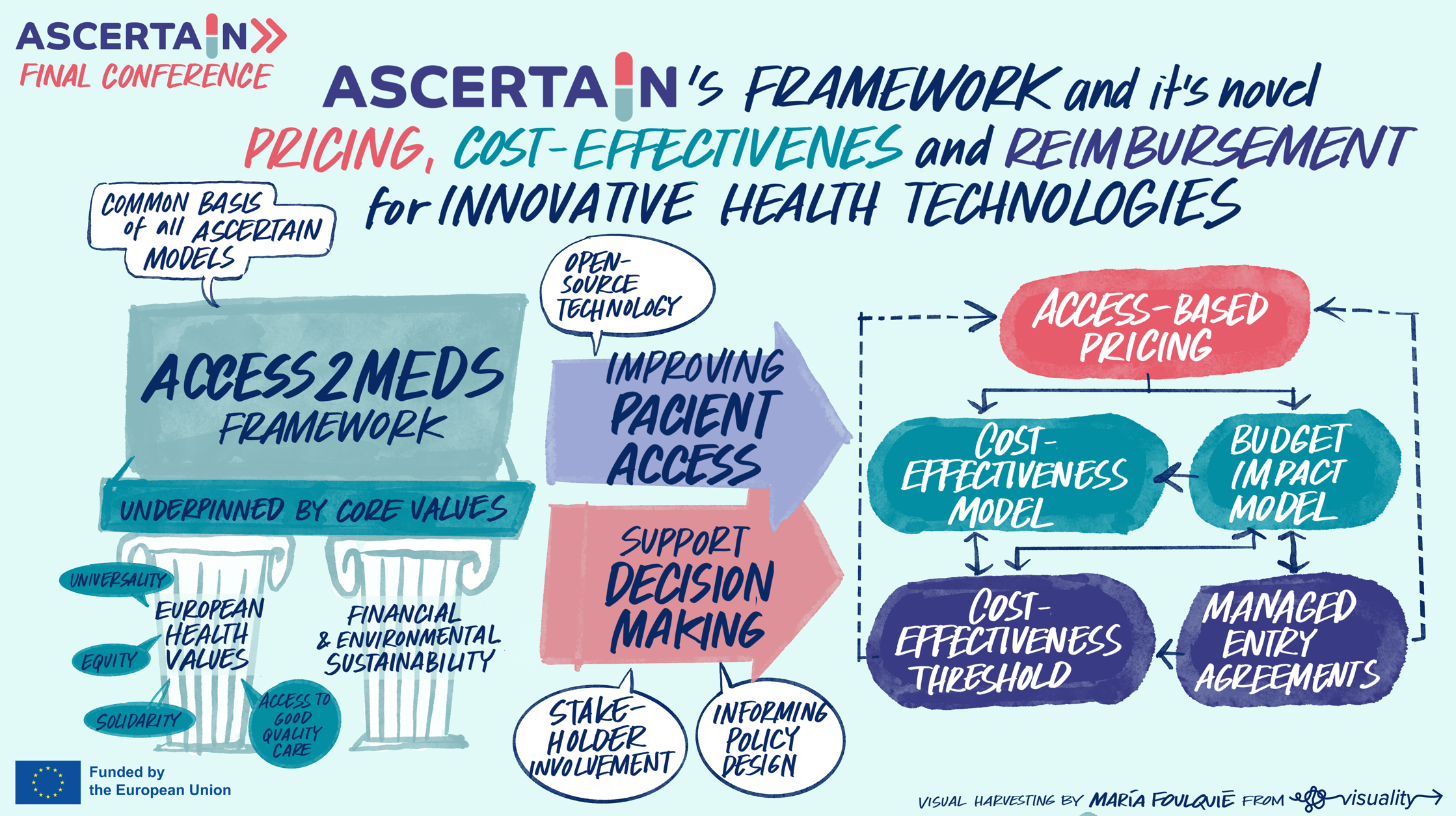
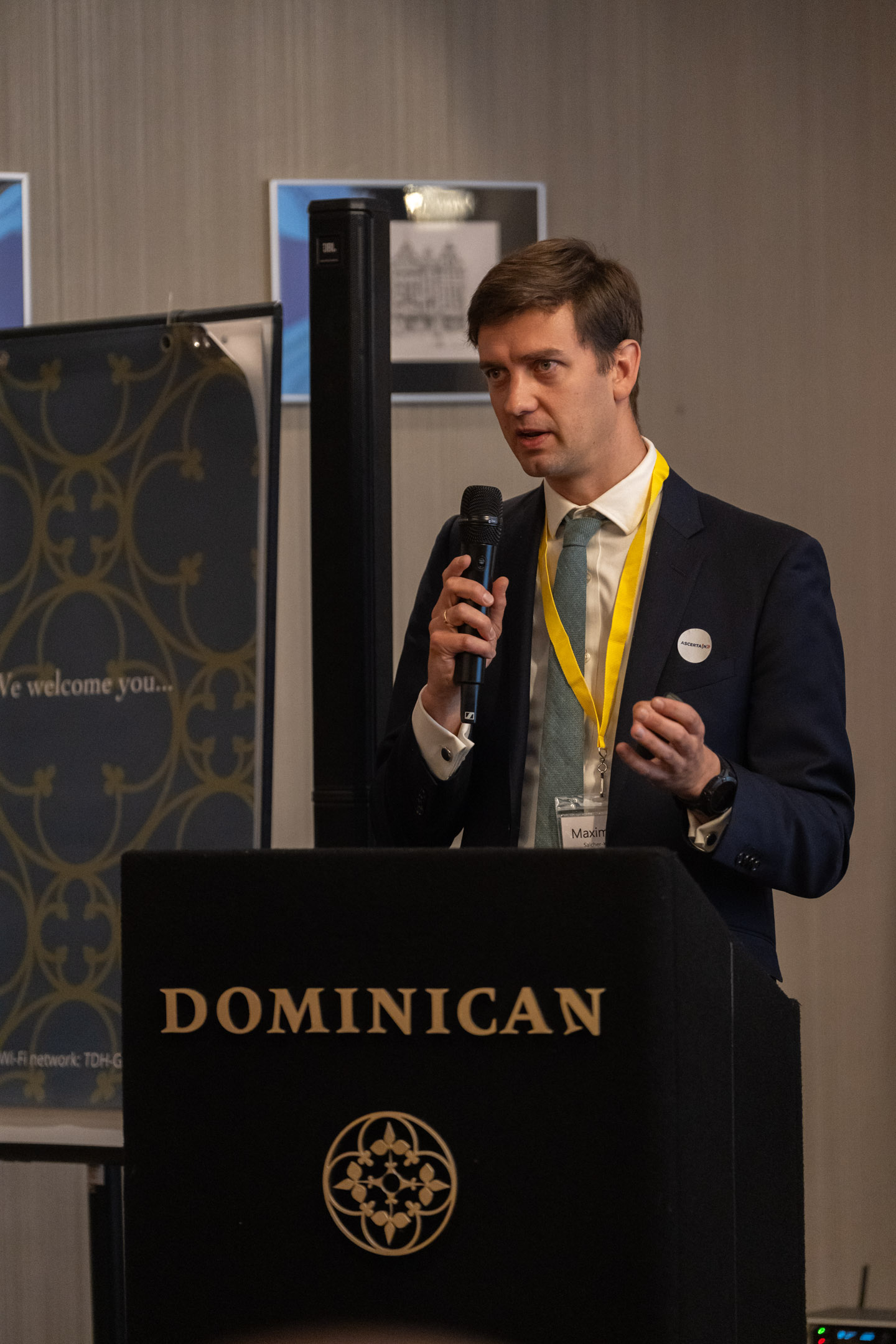
Prof. Carin Uyl-de Groot, Prof. Eline Aas (University of Oslo), and Dr. Maximilian Salcher-Konrad (Gesundheit Österreich) then introduced ASCERTAIN’s framework and its novel pricing, cost-effectiveness, and reimbursement models for innovative health technologies.
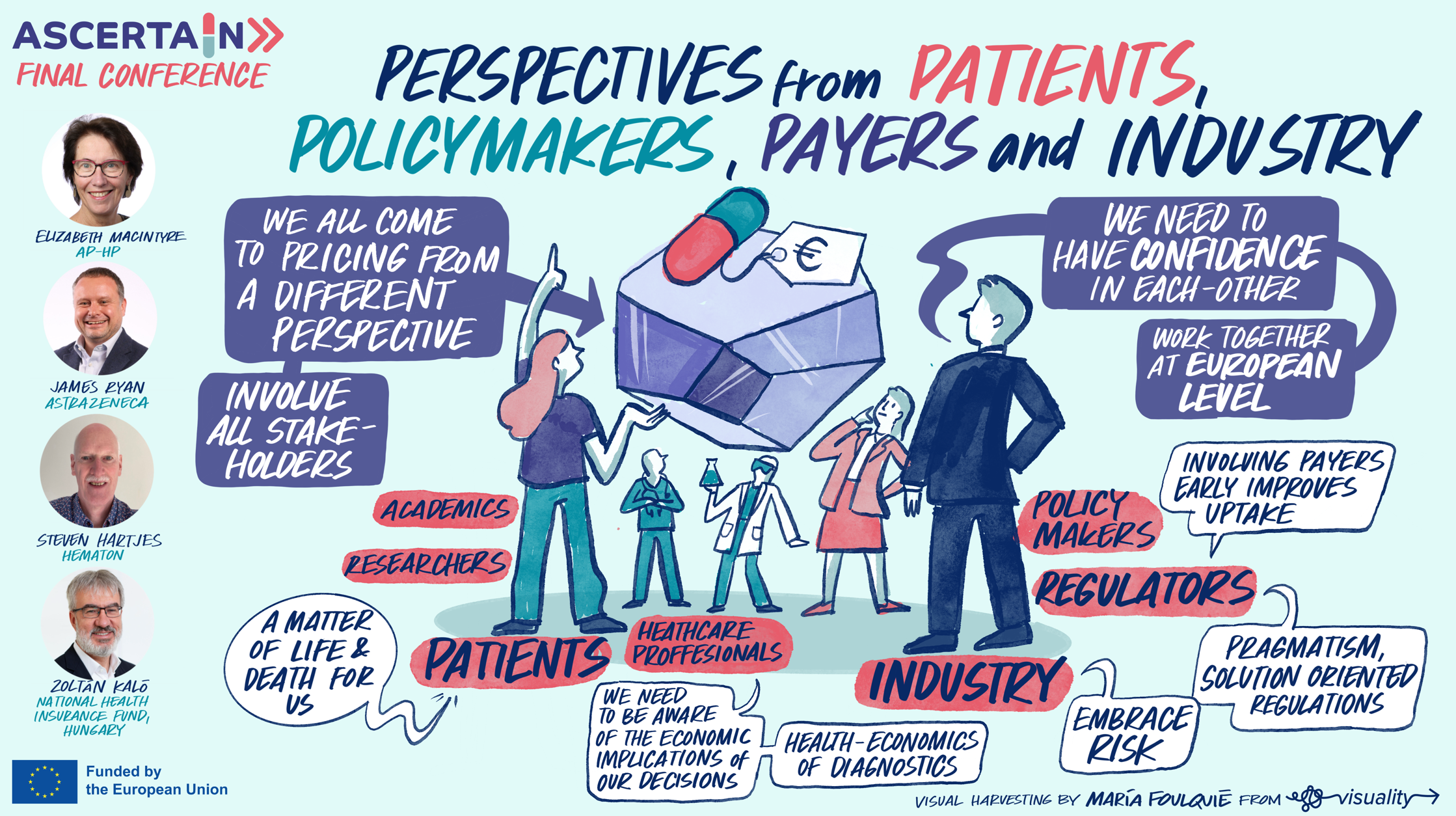
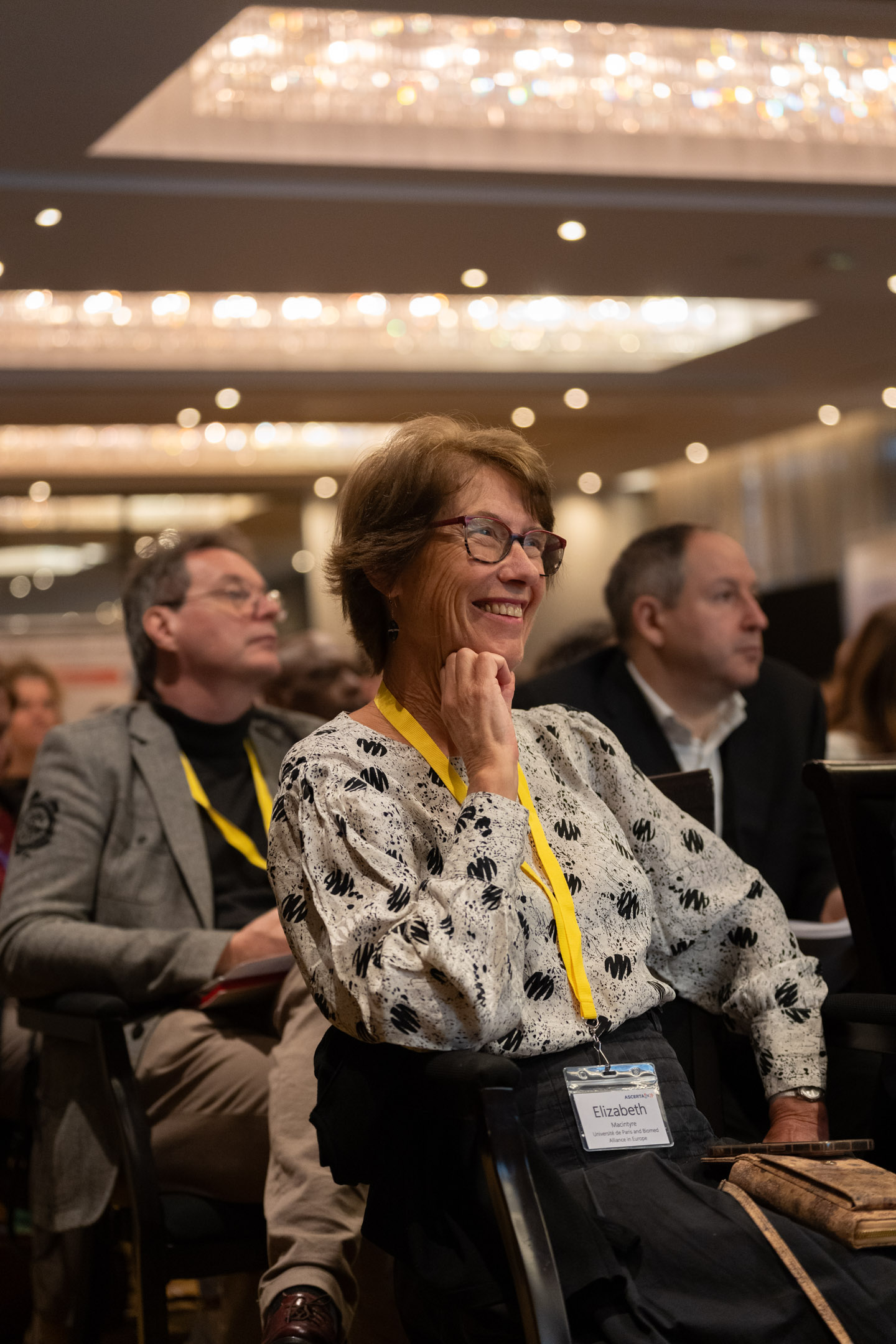
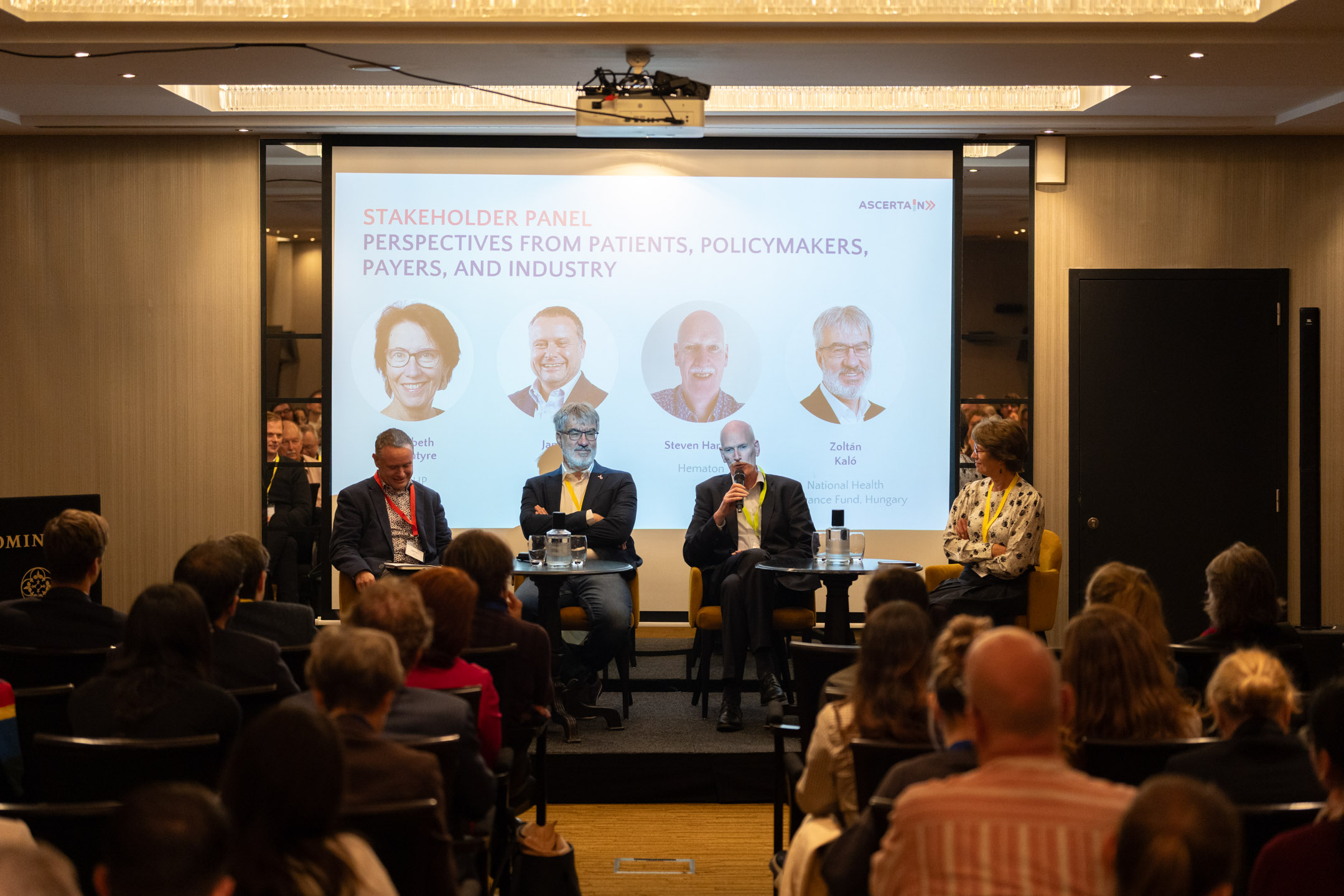
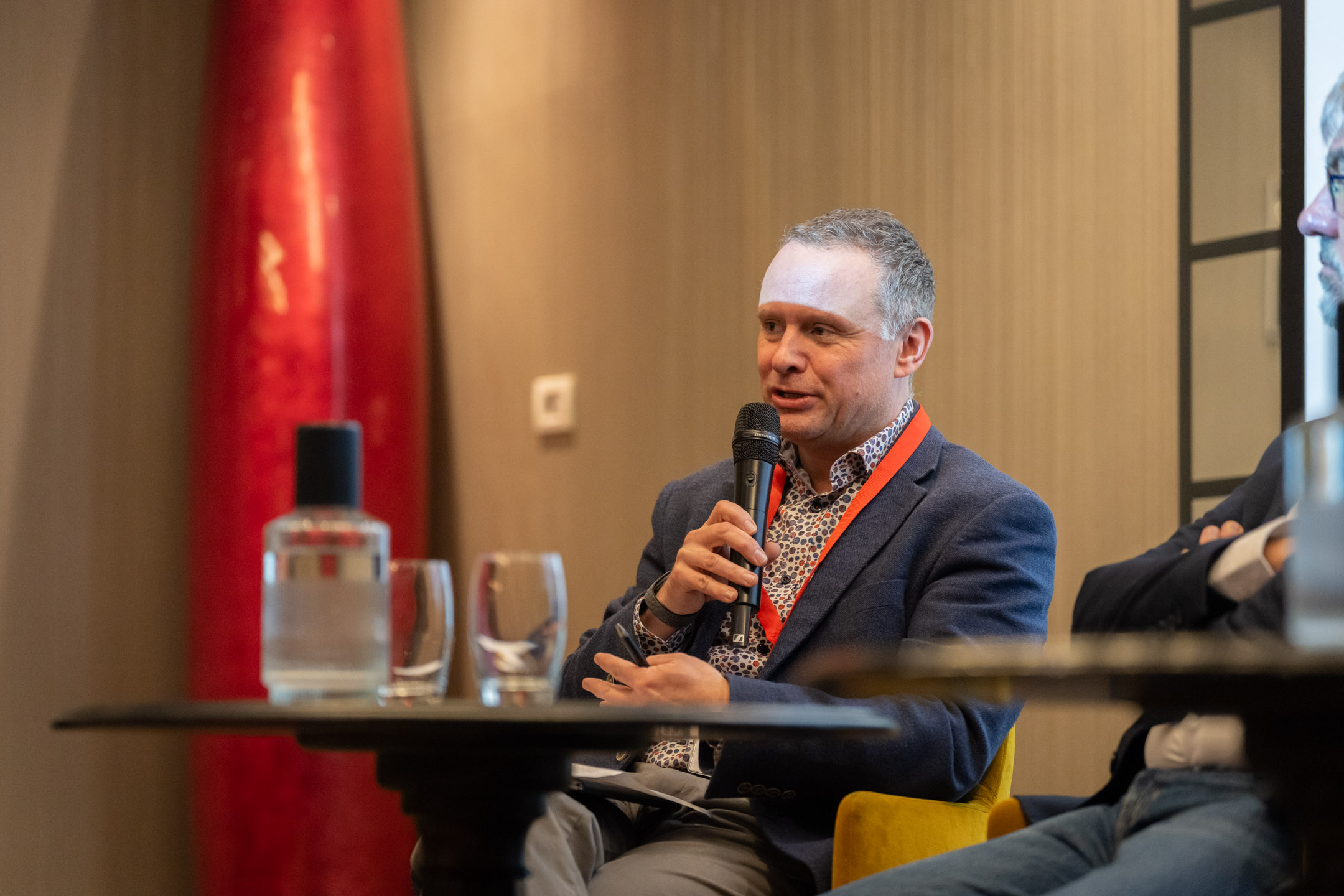
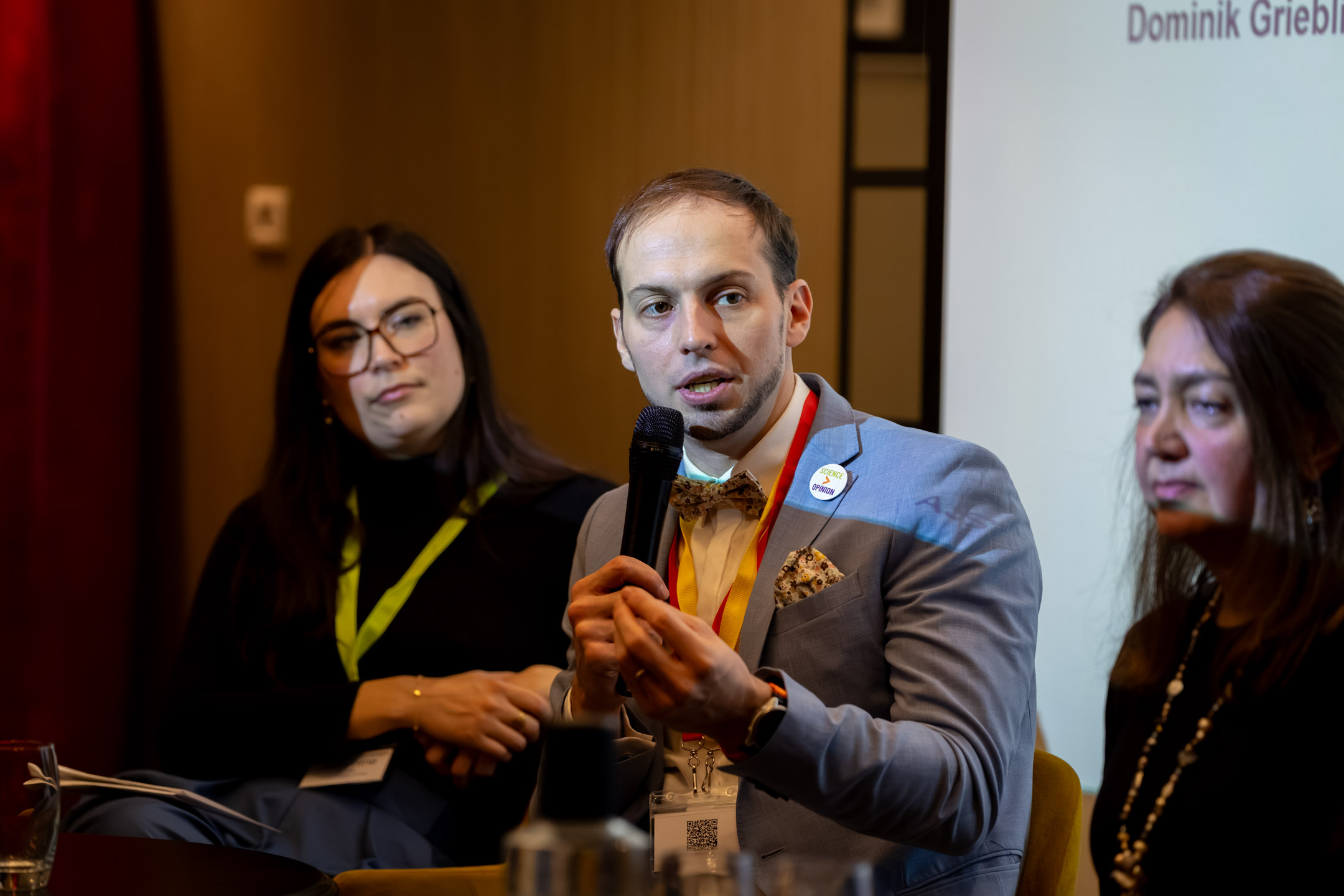
The opening session concluded with a stakeholder panel featuring Prof. Elizabeth Macintyre (AP-HP), James Ryan (AstraZeneca), Prof. Zoltán Kaló (National Health Insurance Fund, Hungary), and Steven Hartjes (Hematon). The discussion brought together perspectives from patients, policymakers, payers, and industry, highlighting the importance of stakeholder involvement, transparency, and collaboration in healthcare decision-making.
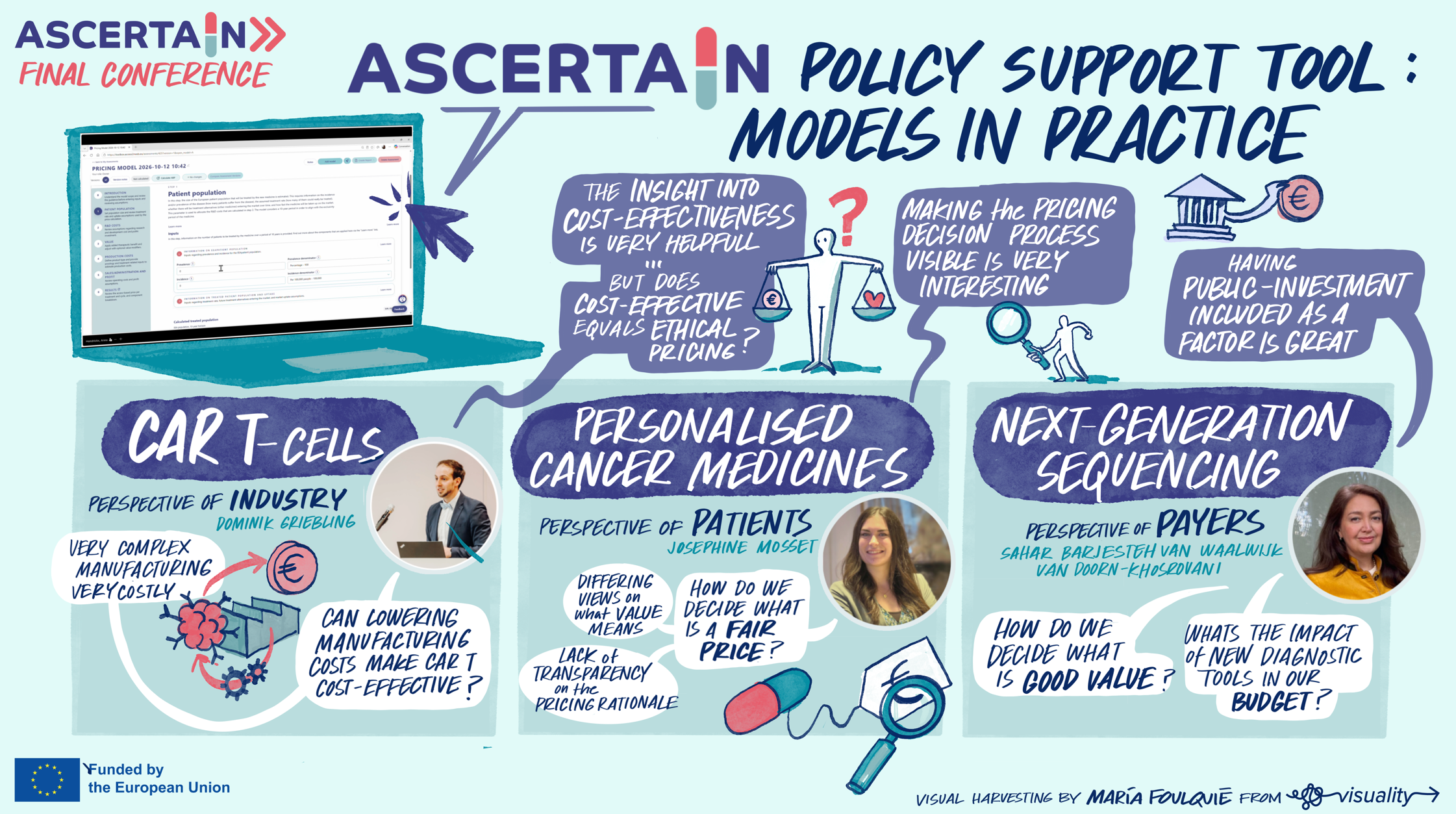
ASCERTAIN Policy Support Tool: Models in Practice
The next session focused on the practical application of ASCERTAIN’s research through its open-access Policy Support Tool.
Through demonstrations and persona-based walkthroughs, participants explored how the tool integrates pricing, cost-effectiveness, and reimbursement models into a practical decision-support environment.
The demonstrations focused on three clinical use cases: personalised cancer medicines, CAR T-cell therapies, and Next Generation Sequencing (NGS) tests for precision oncology.
The session also raised broader questions about how to balance cost-effectiveness with ethical pricing, how to make pricing decisions more transparent, and how public investment can be considered in pricing models.
Beyond the Stage: Connecting, Exploring and Exchanging Ideas
The conference offered several opportunities for participants to engage with ASCERTAIN’s work beyond the formal presentations.
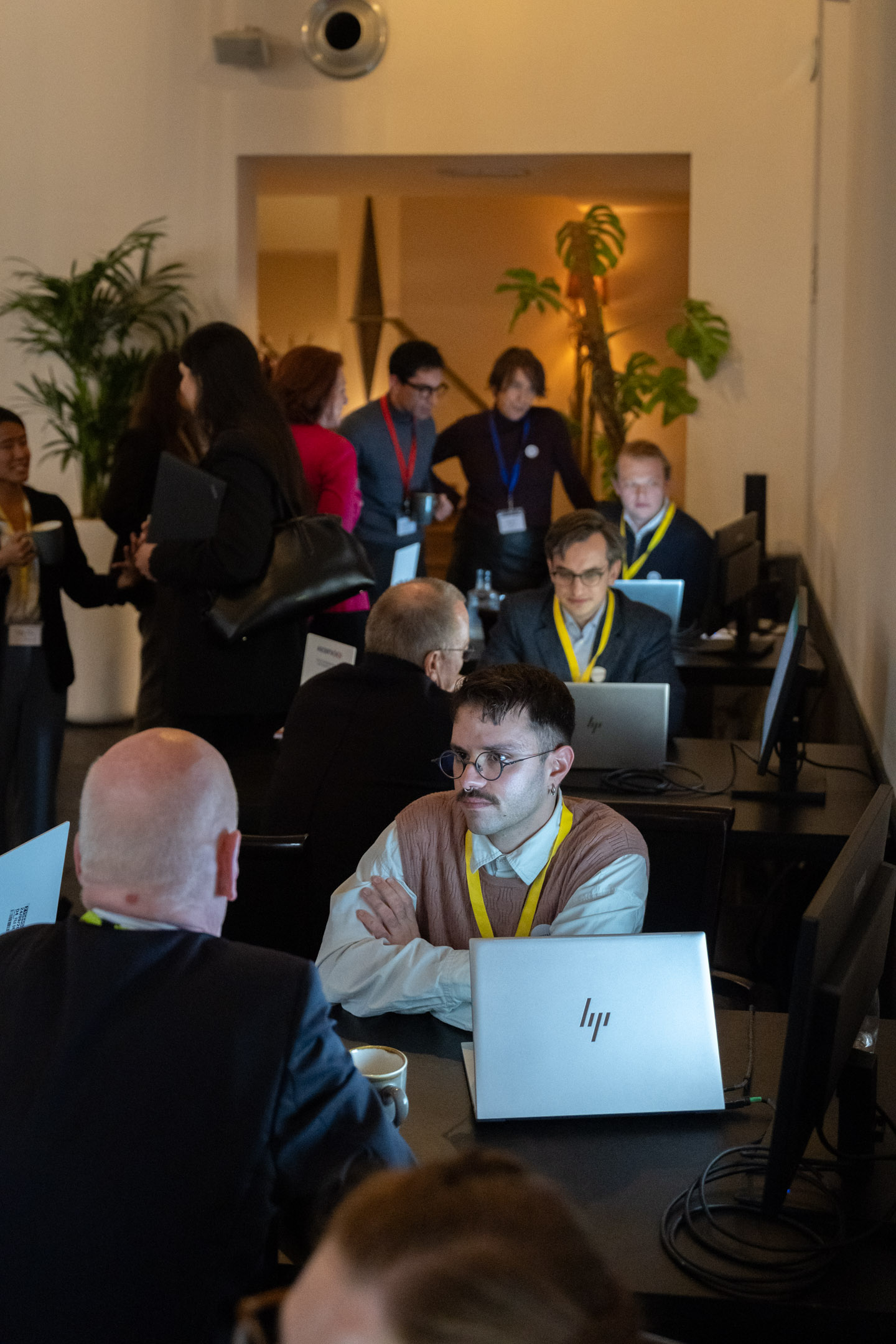
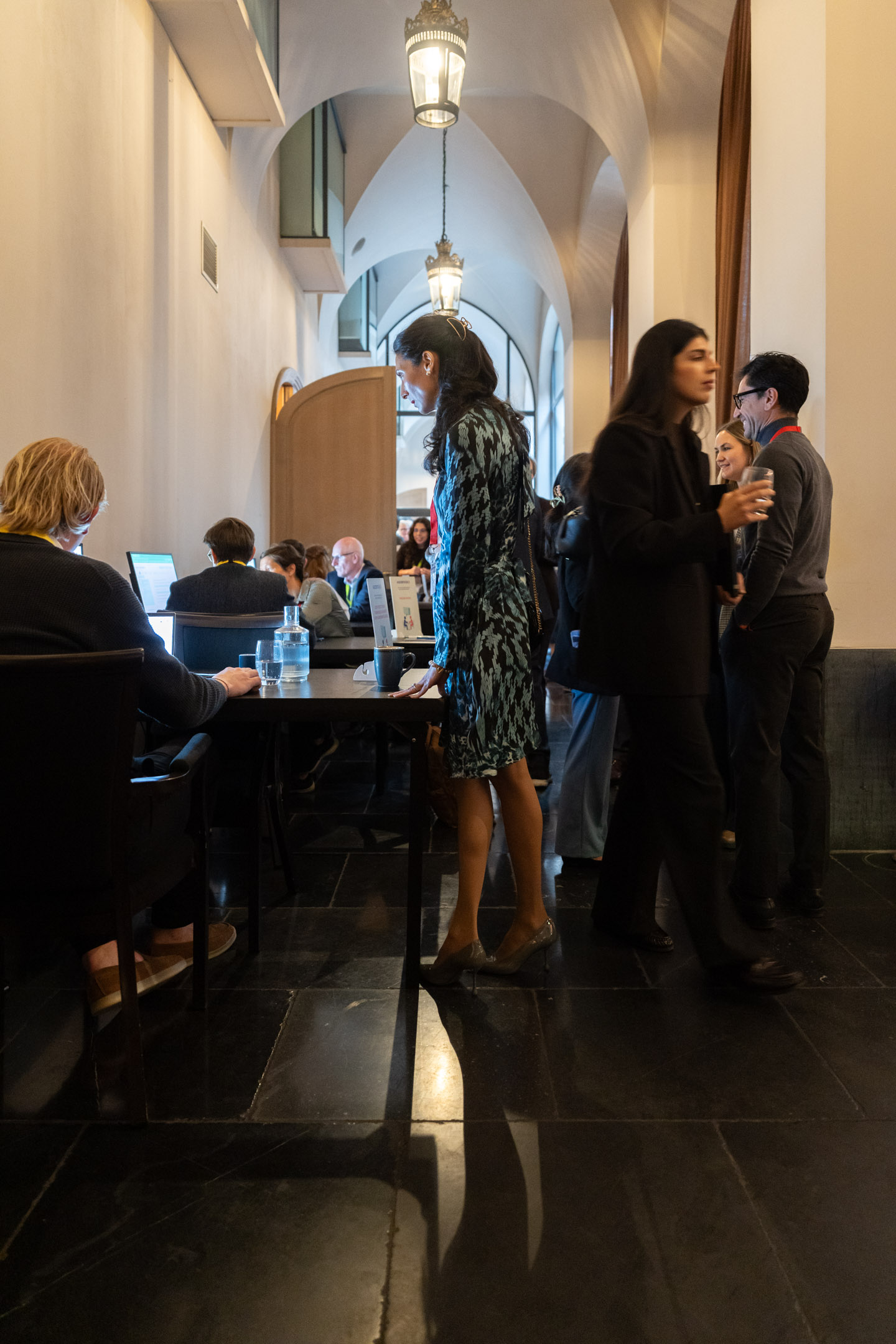
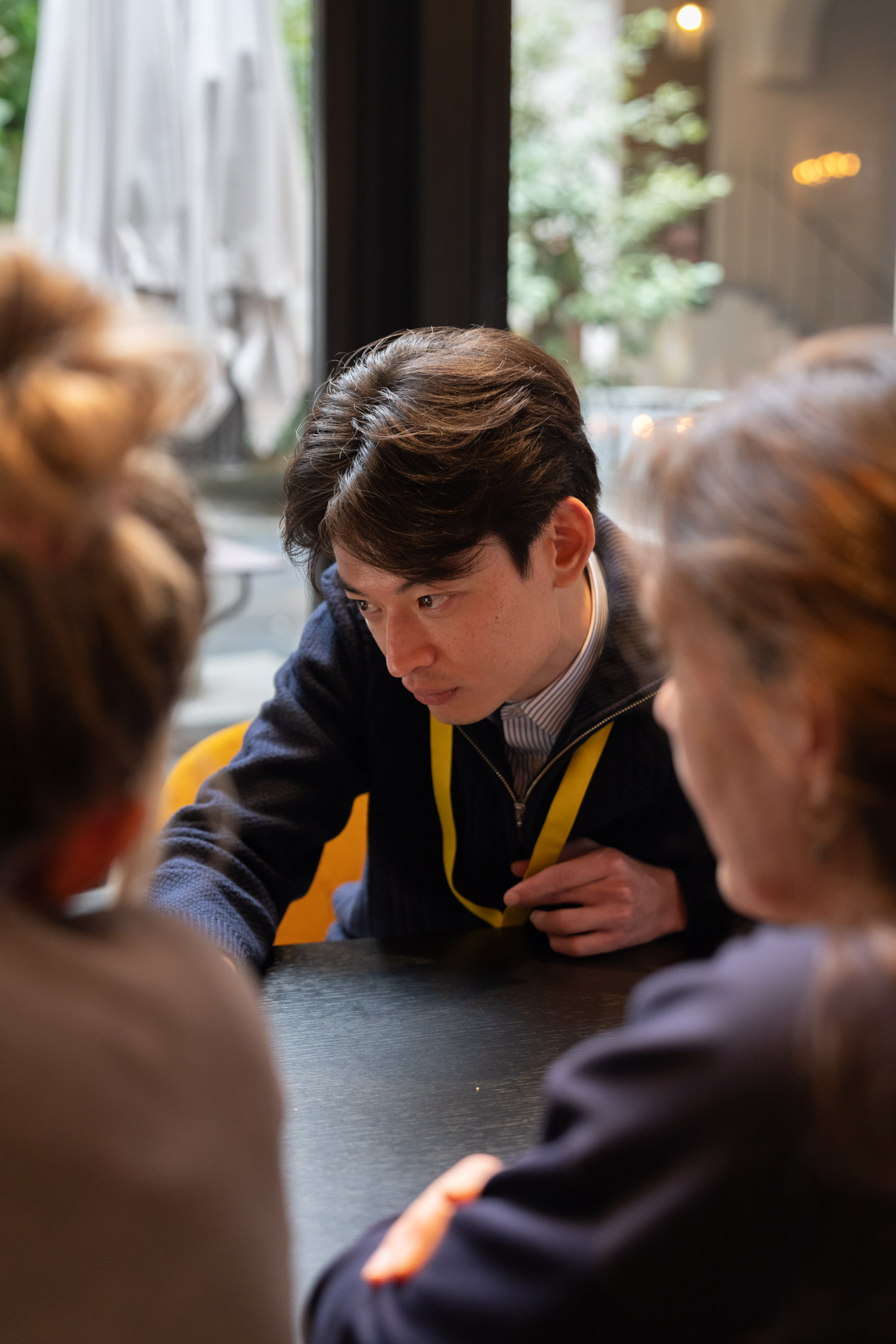
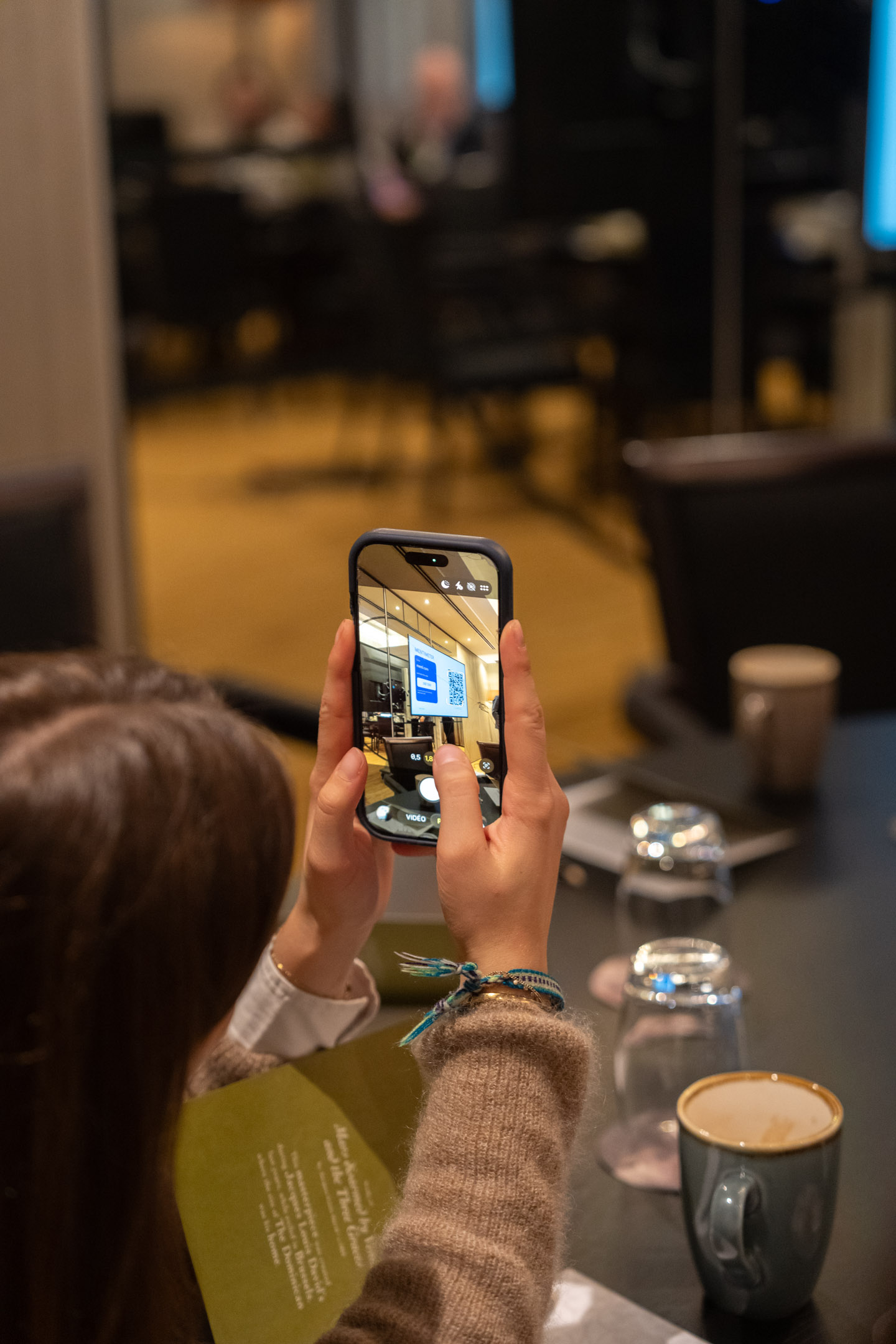
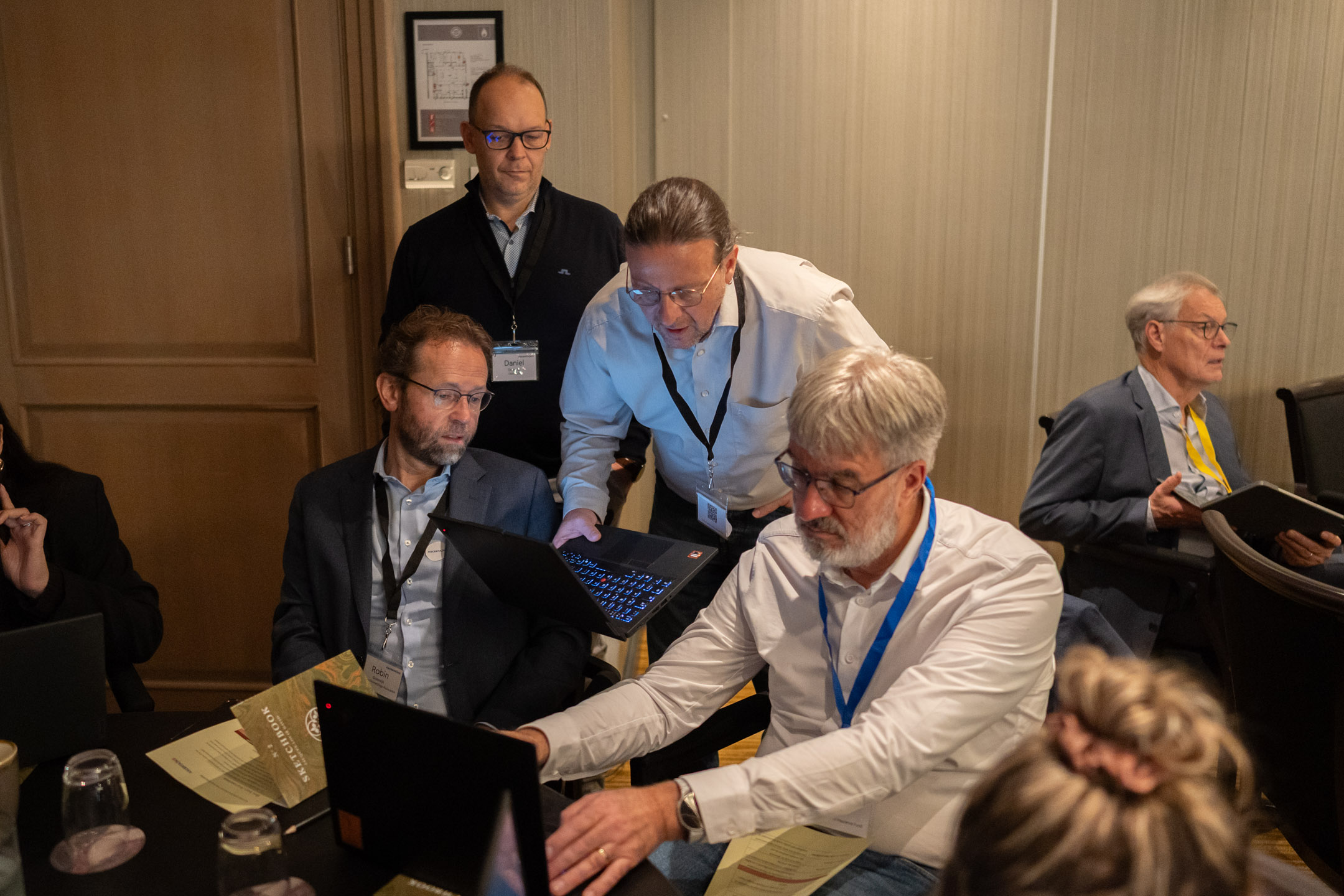
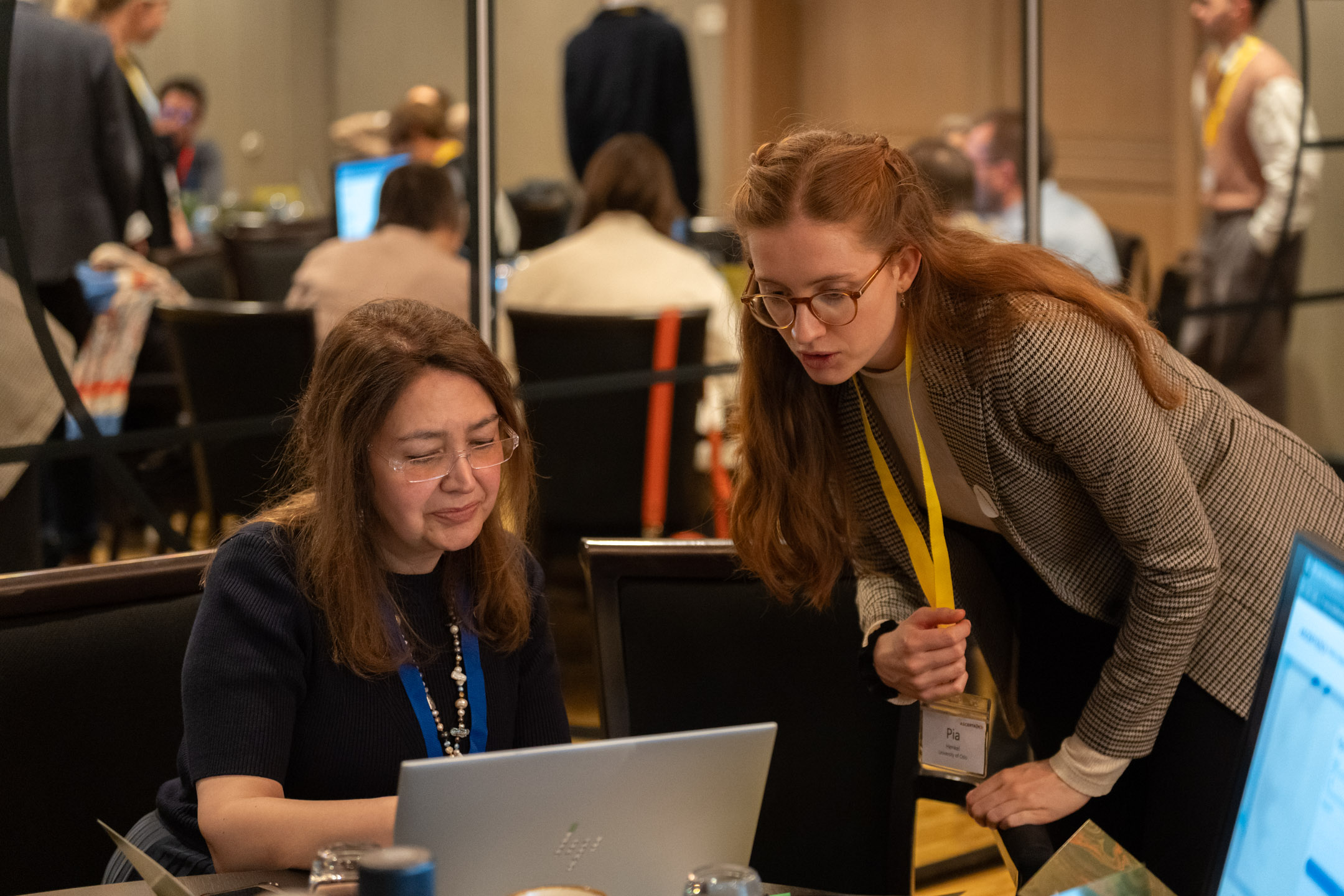
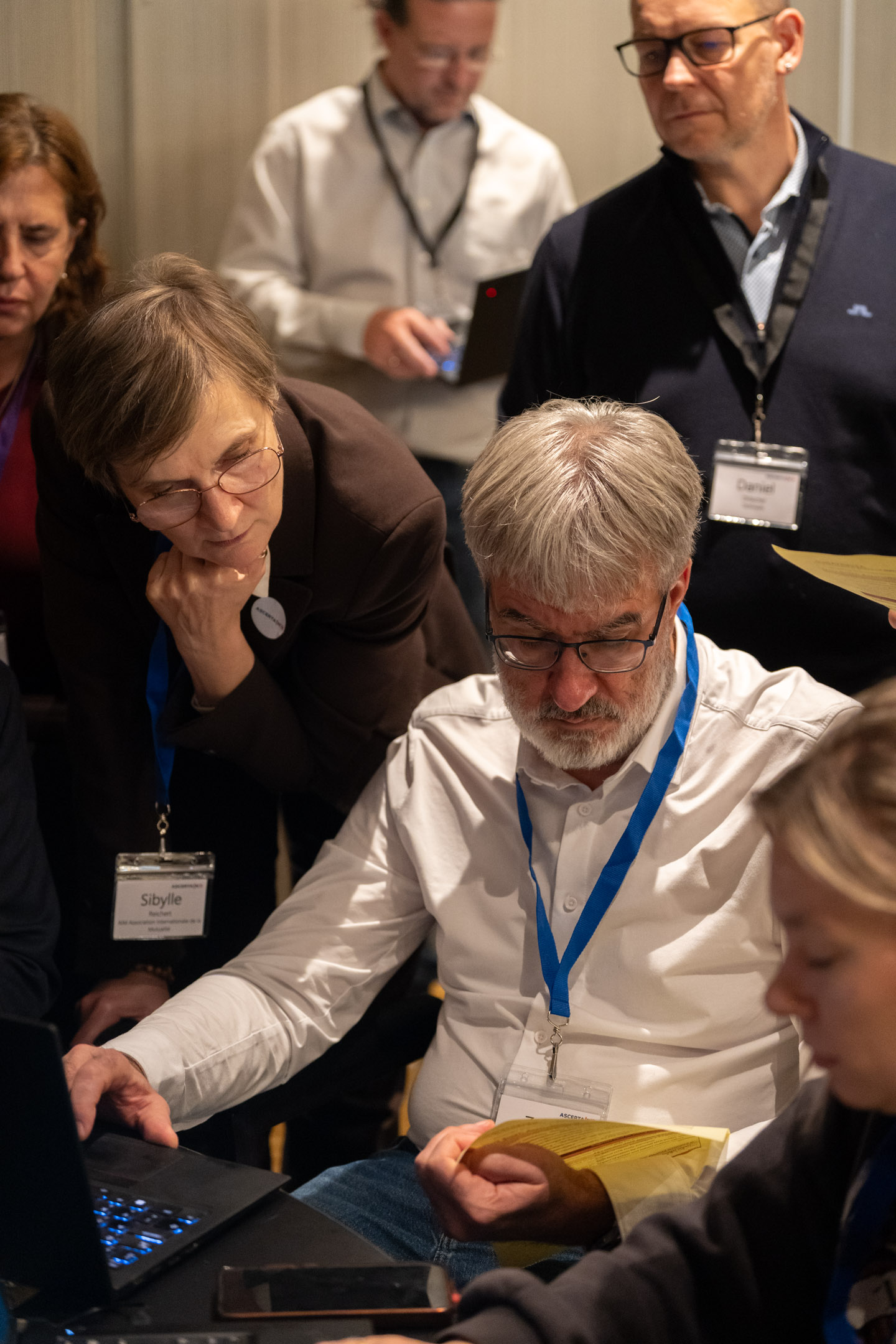
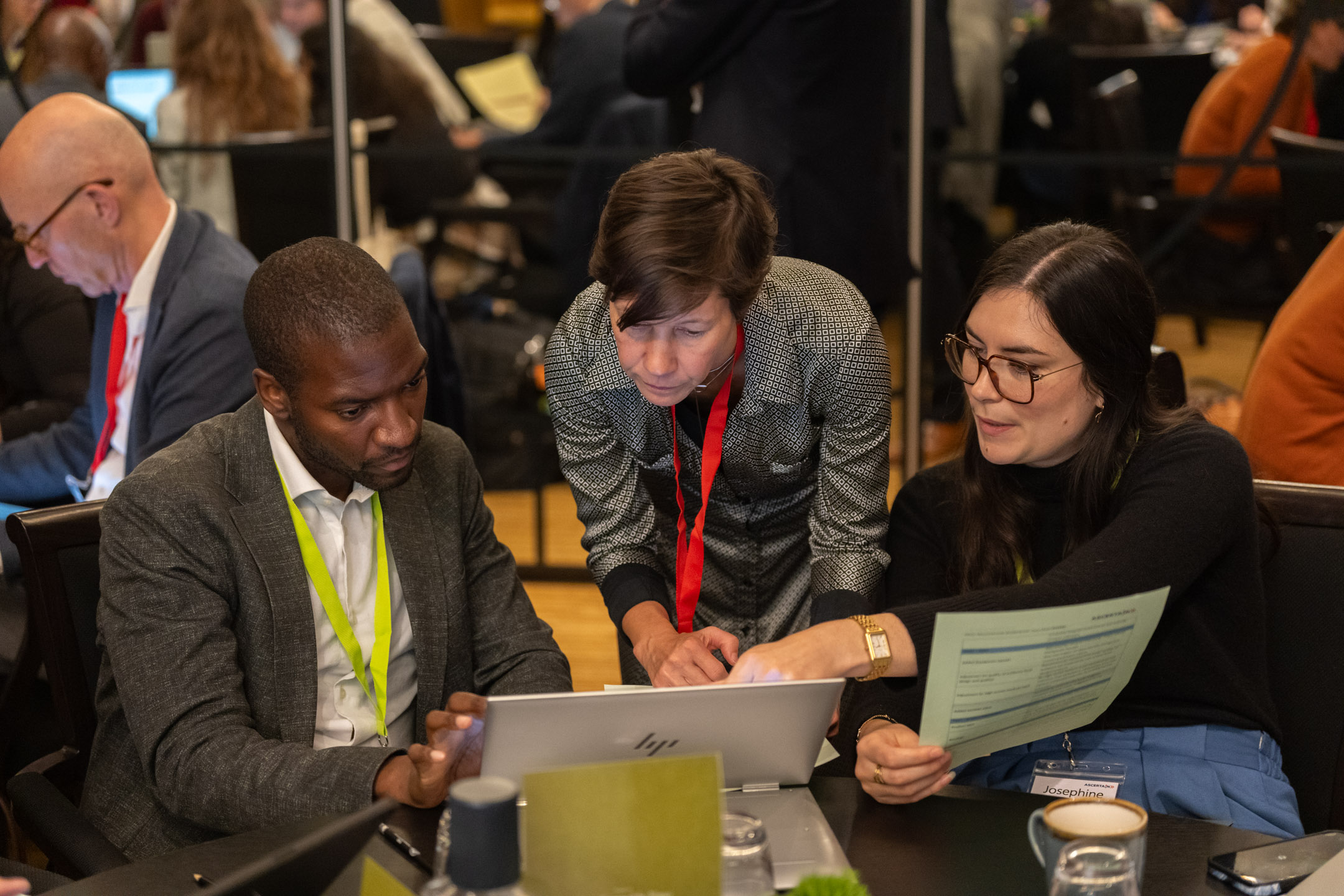
During the ASCERTAIN Experience Hub, participants could explore the Policy Support Tool through one-on-one demonstrations with consortium experts. The Meet the Experts area provided space for informal discussions on HTA, reimbursement, precision medicine, and the future of ASCERTAIN.
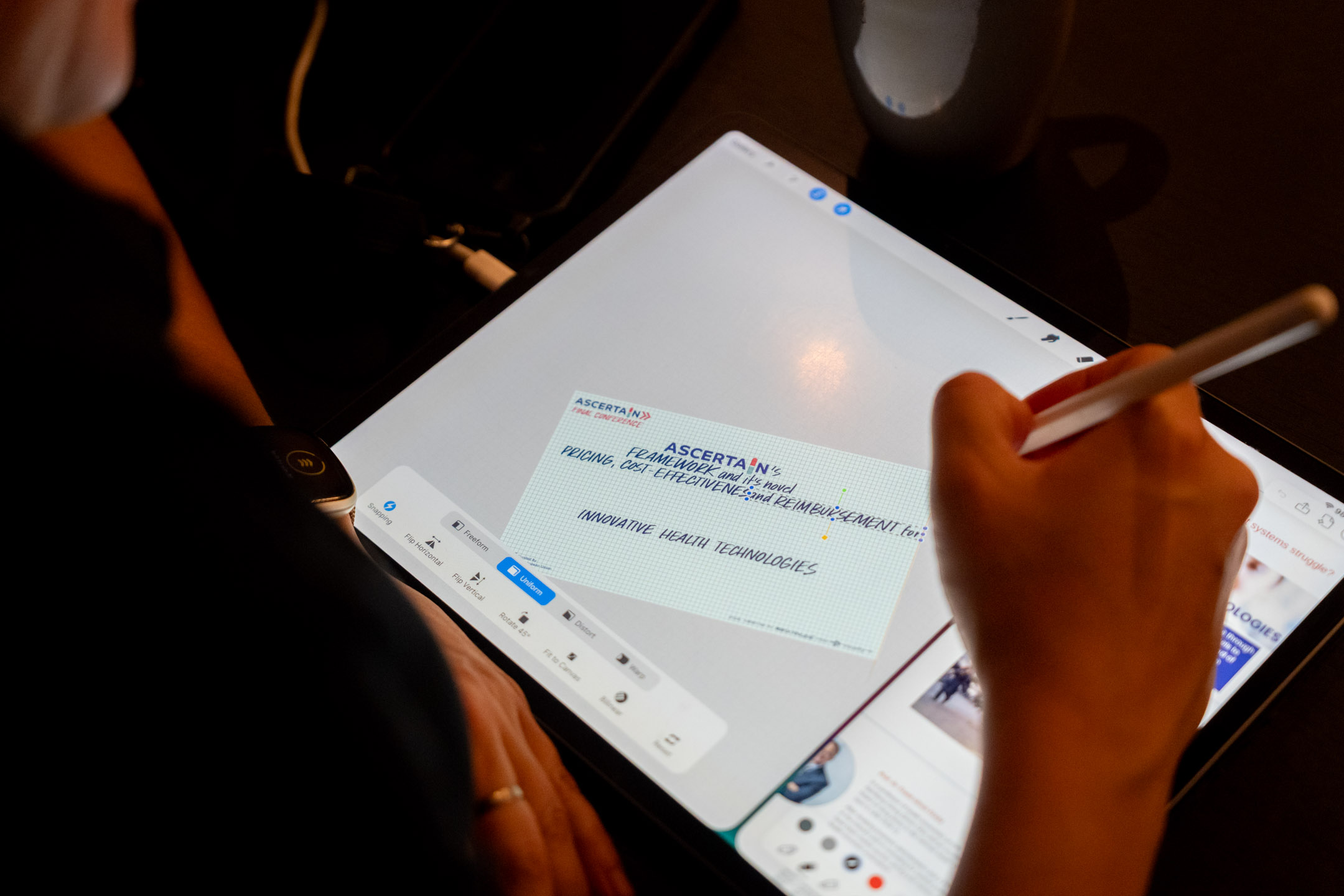
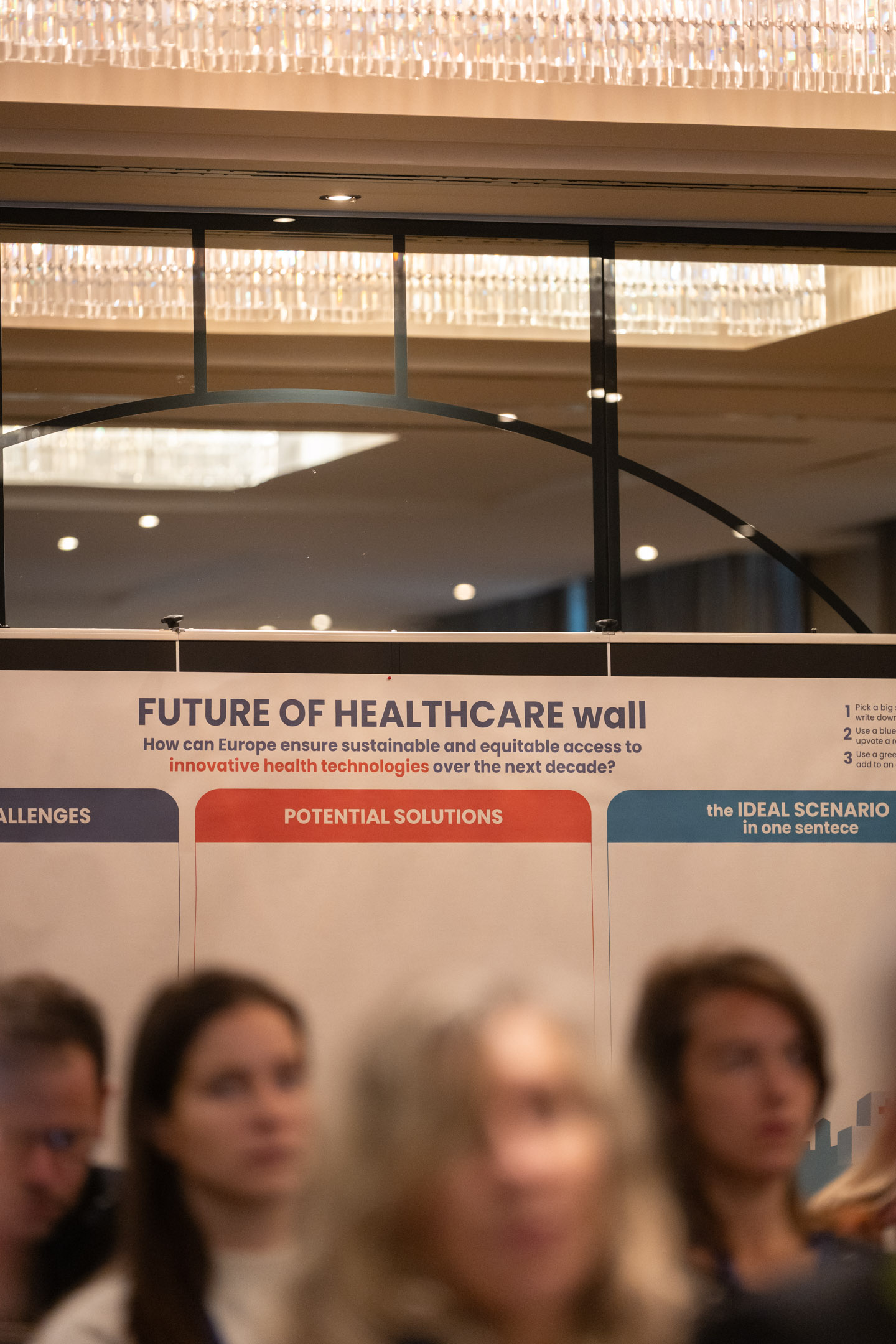
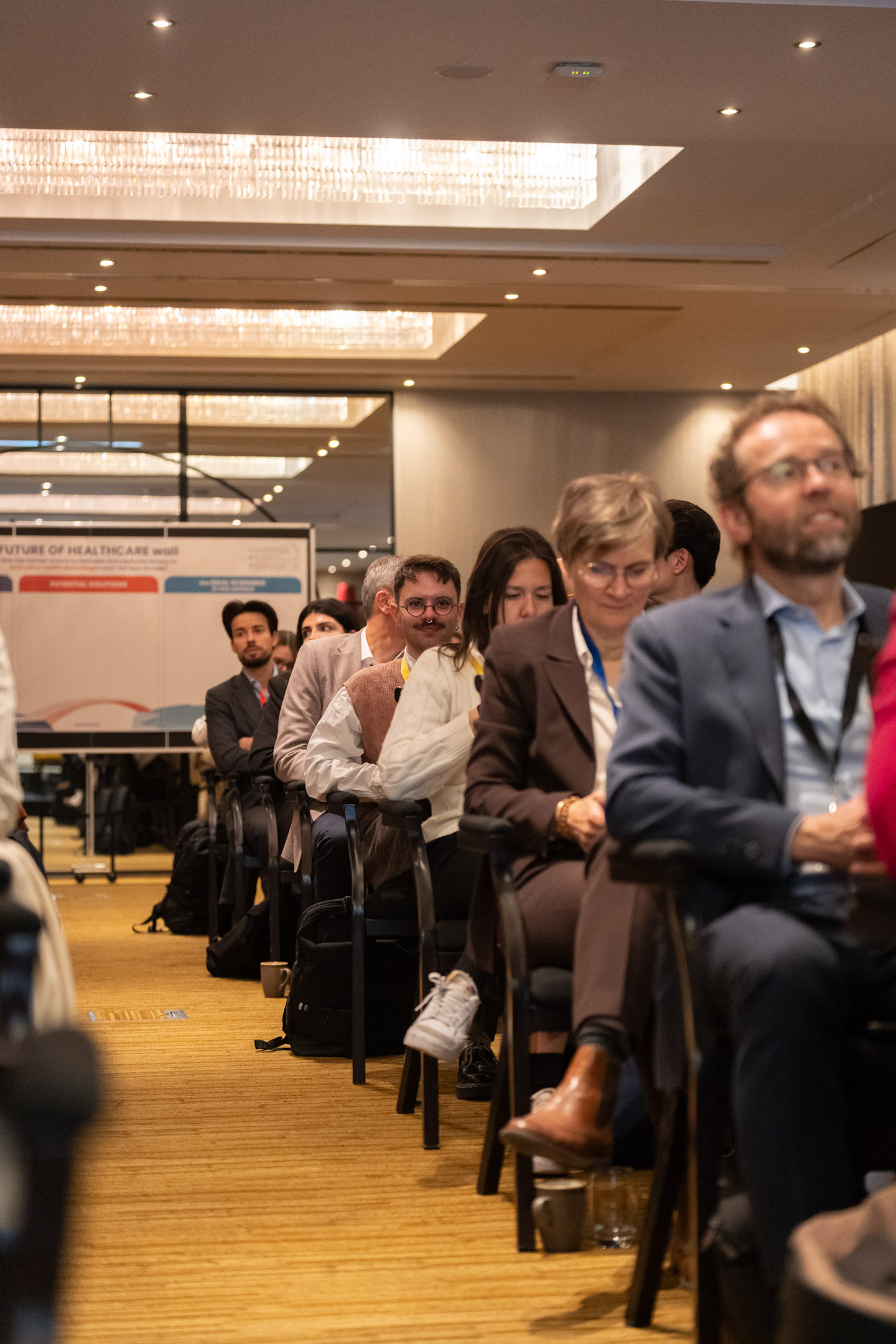
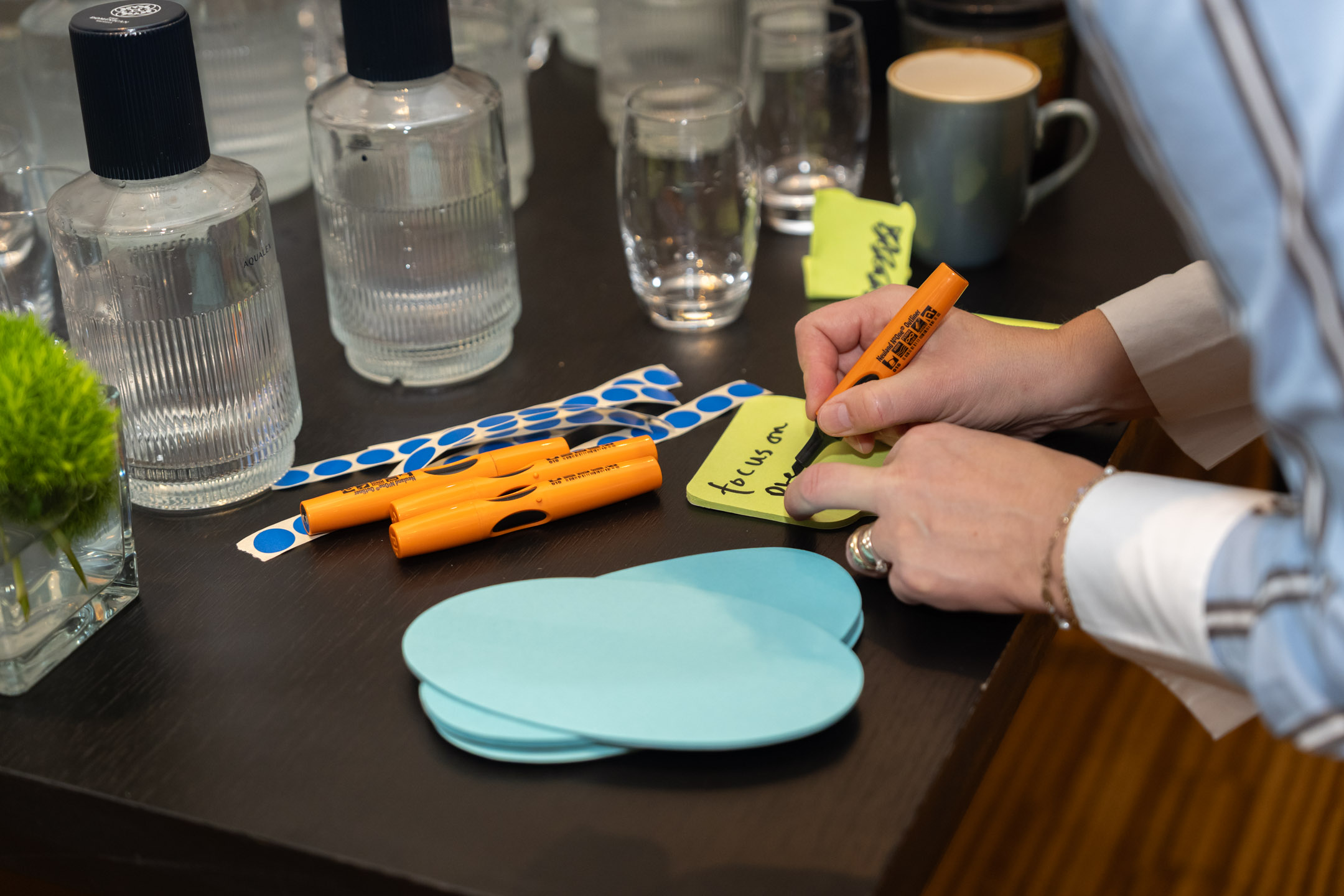
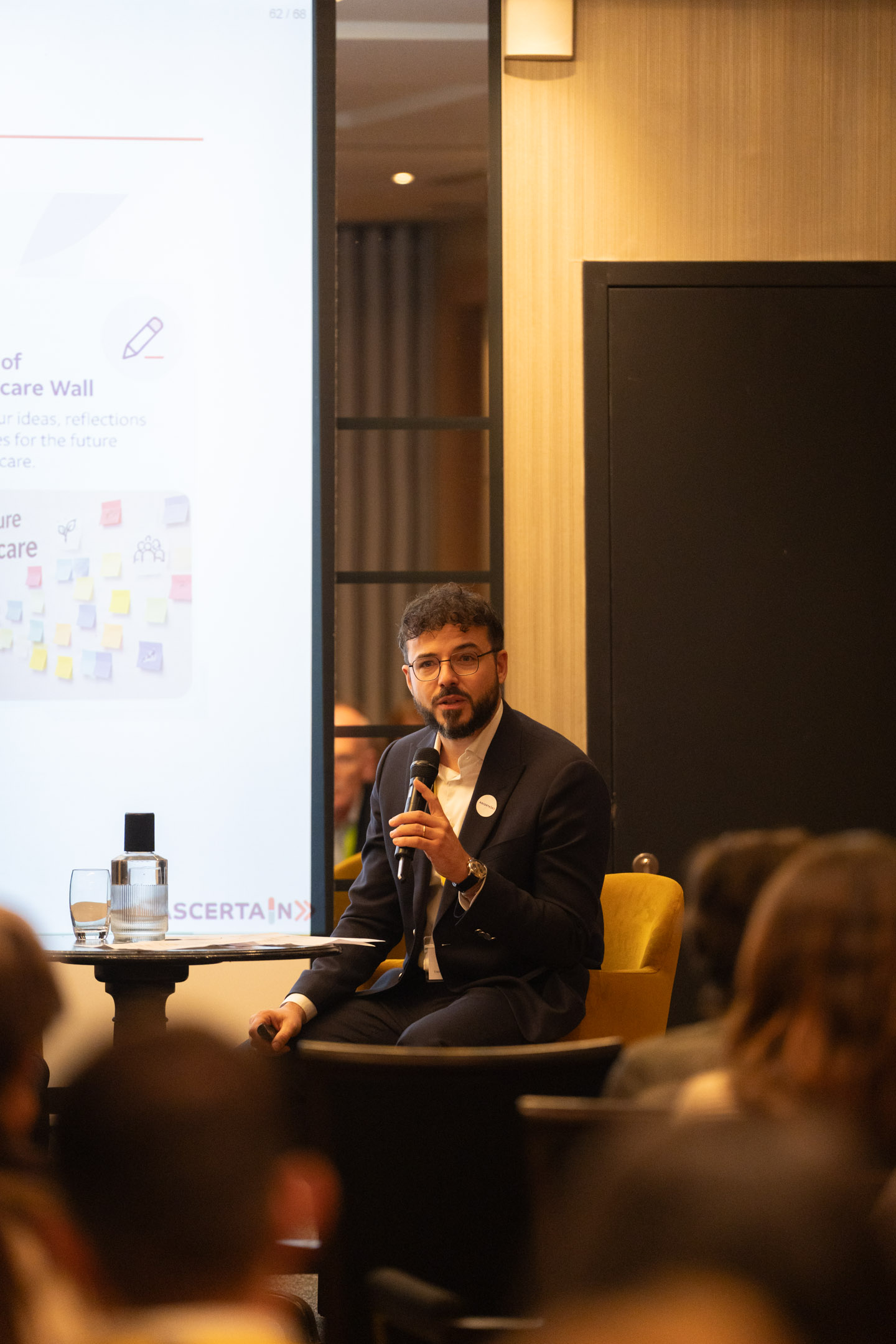
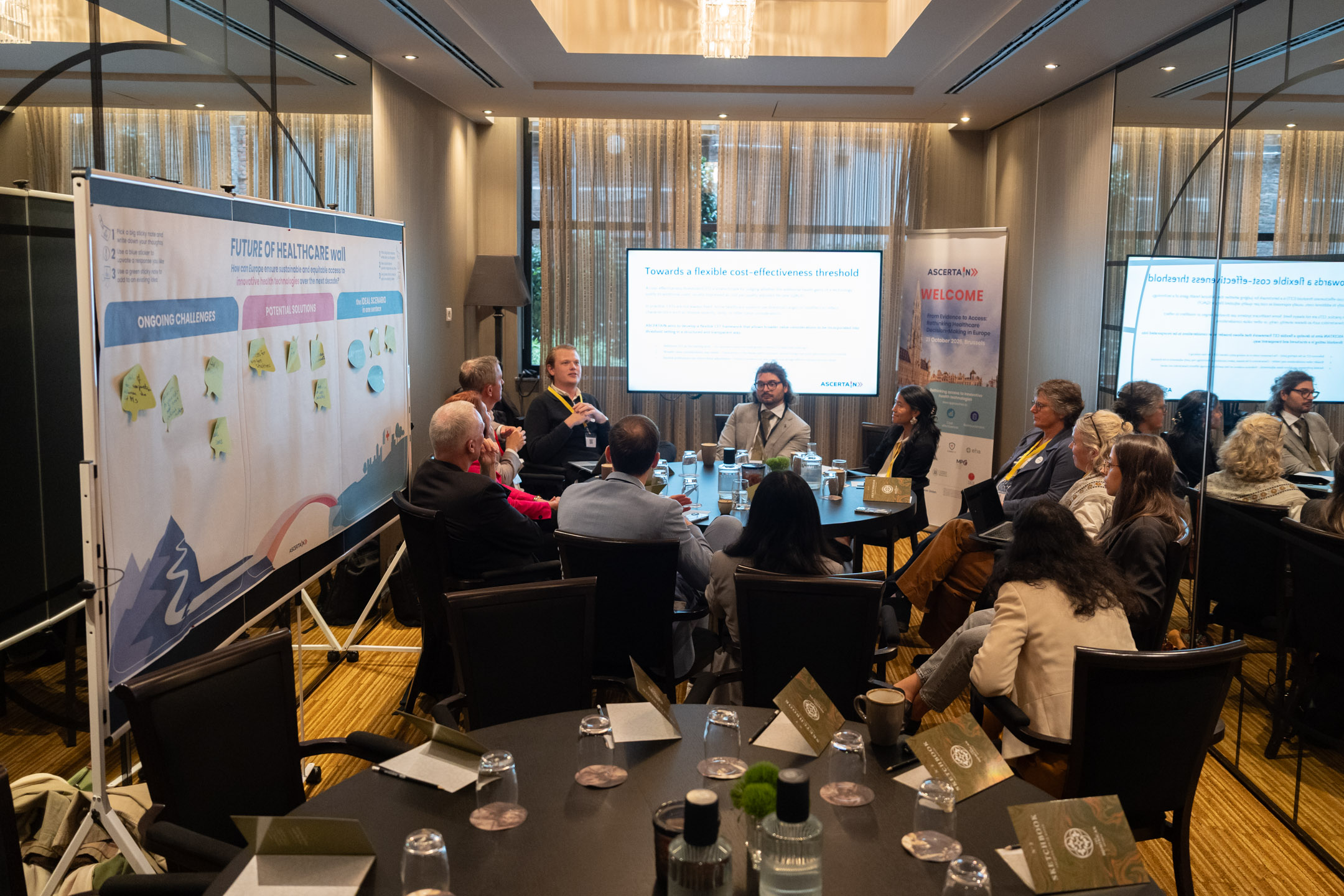
The Future of Healthcare Wall invited participants to reflect on how Europe can ensure sustainable and equitable access to innovative health technologies over the next decade. Participants shared ideas, highlighted challenges, and proposed solutions for the future of healthcare in Europe.
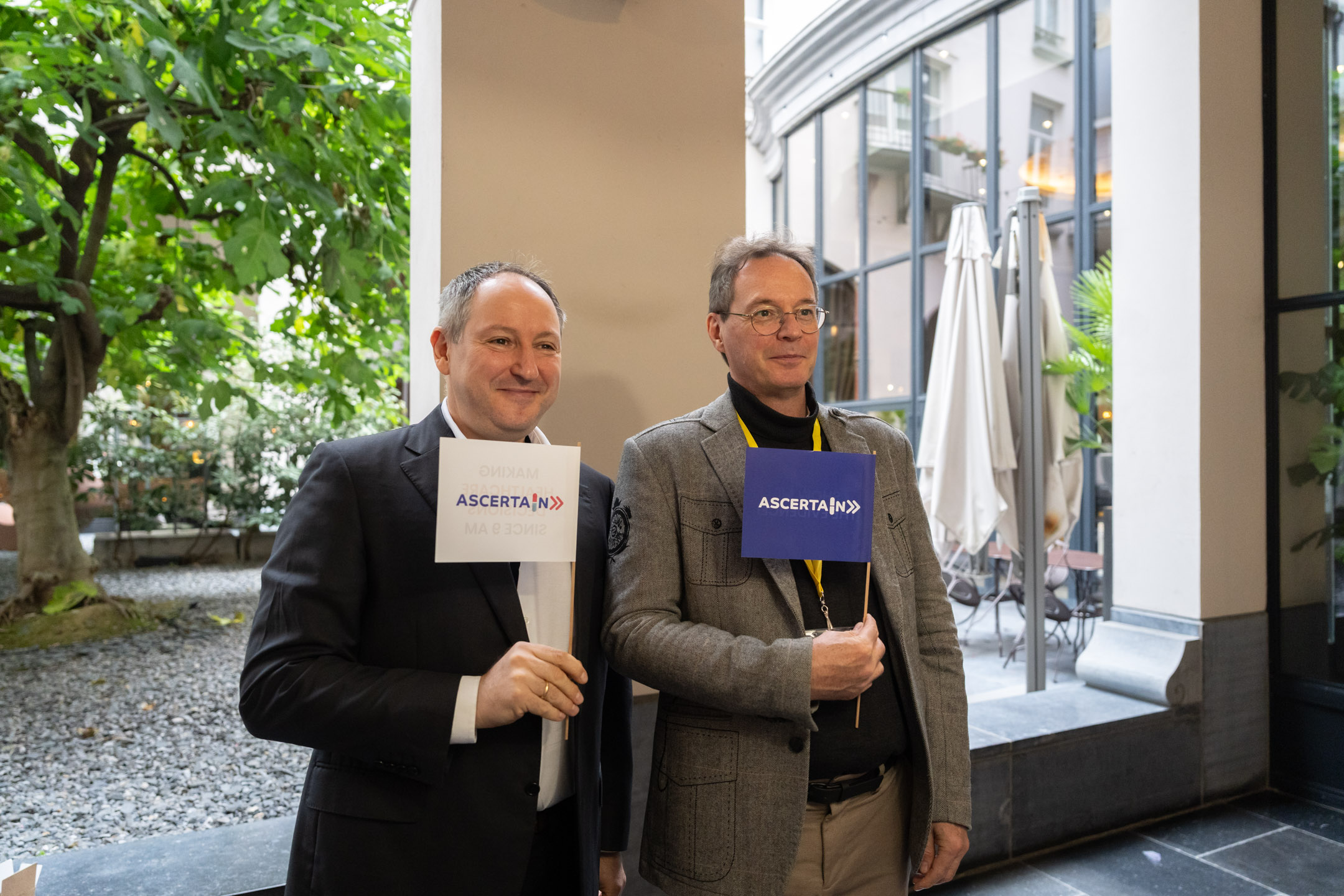
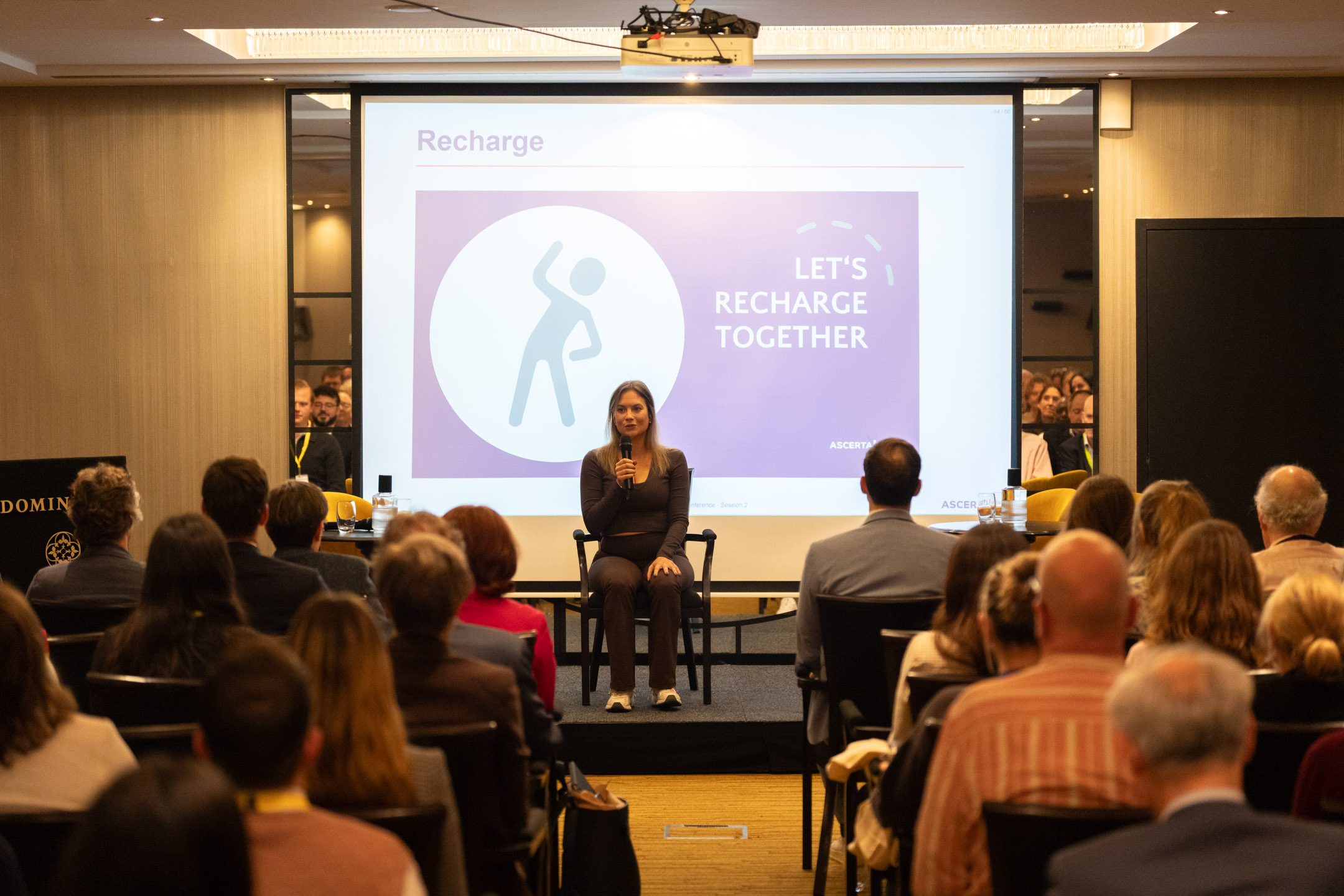
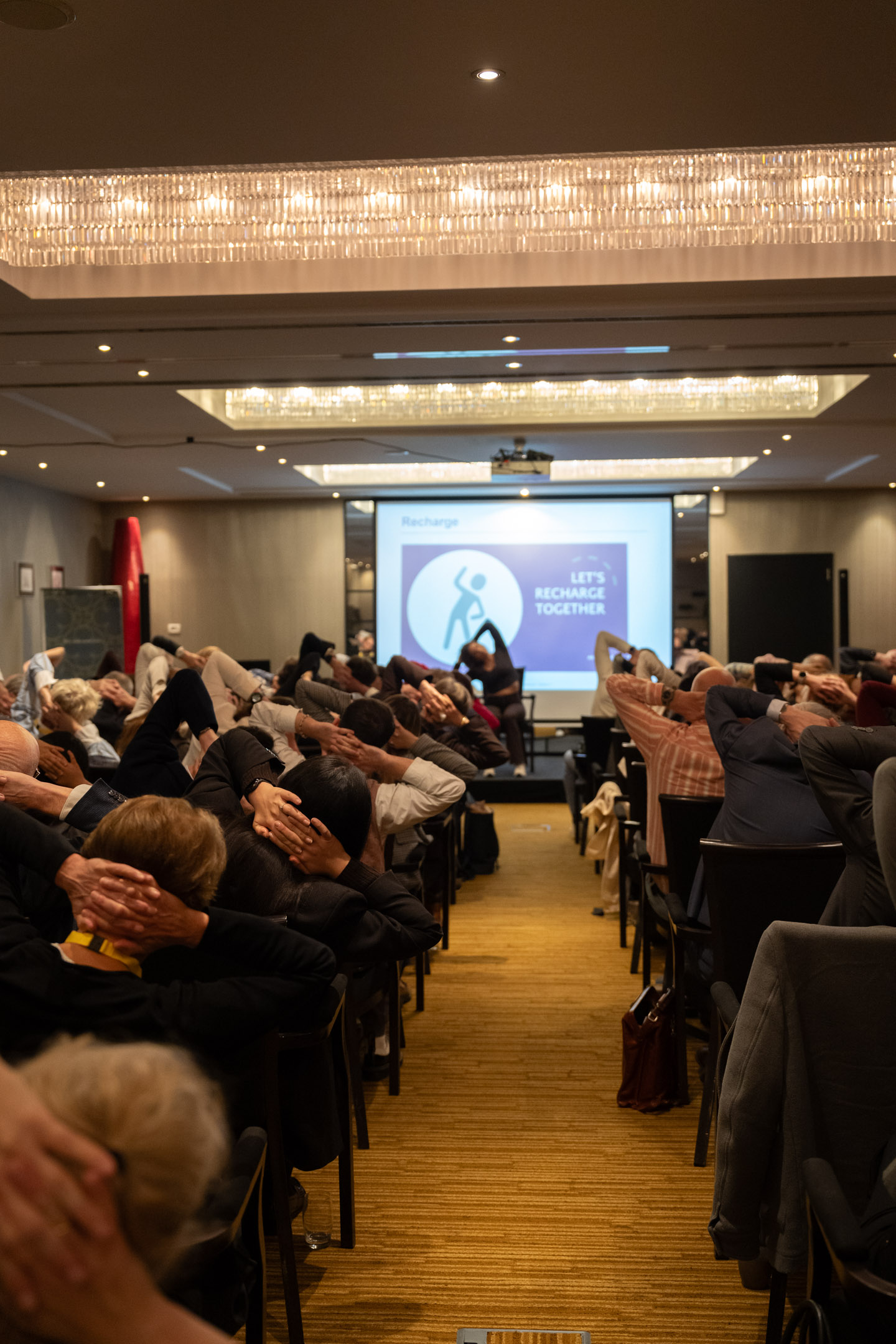
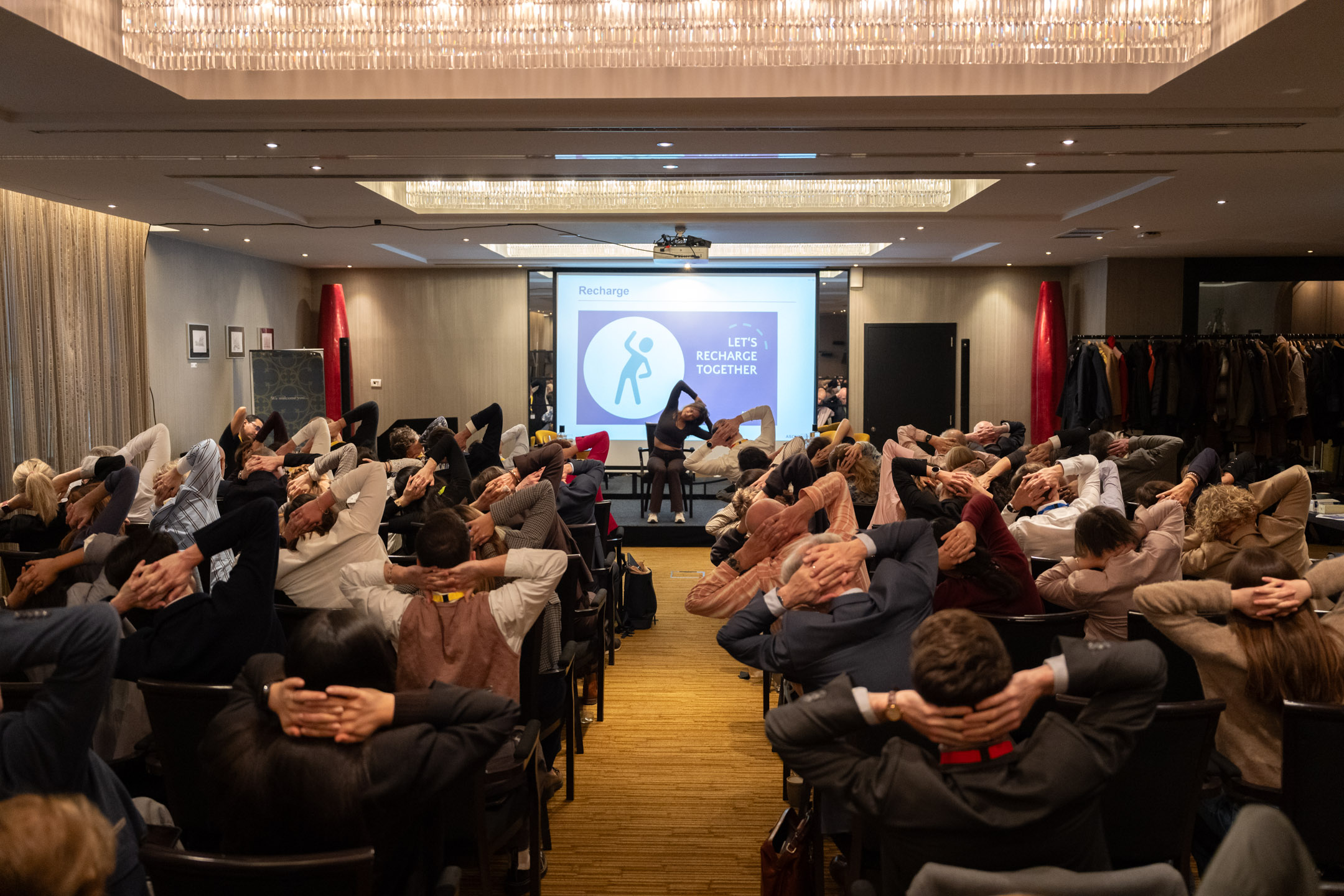
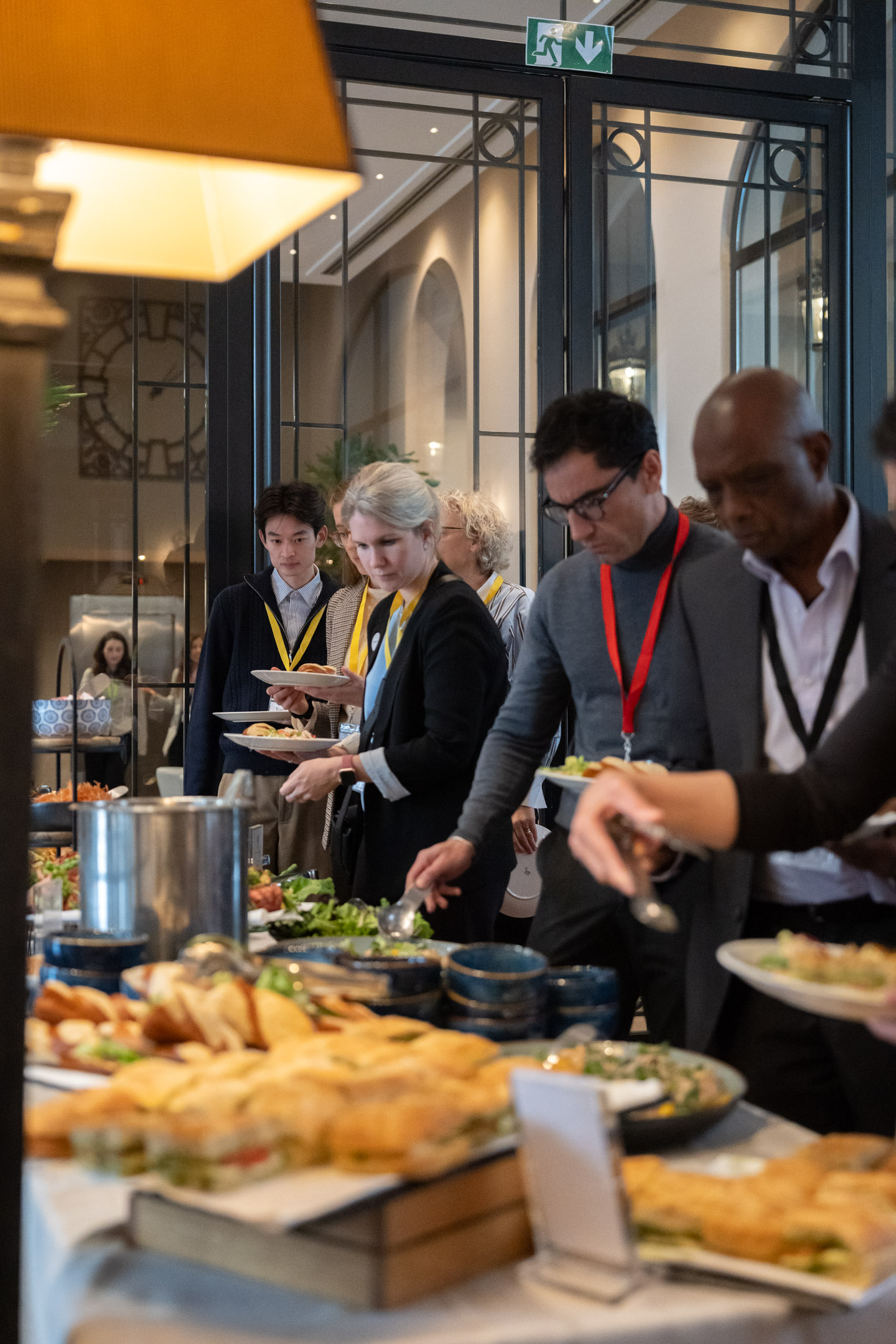
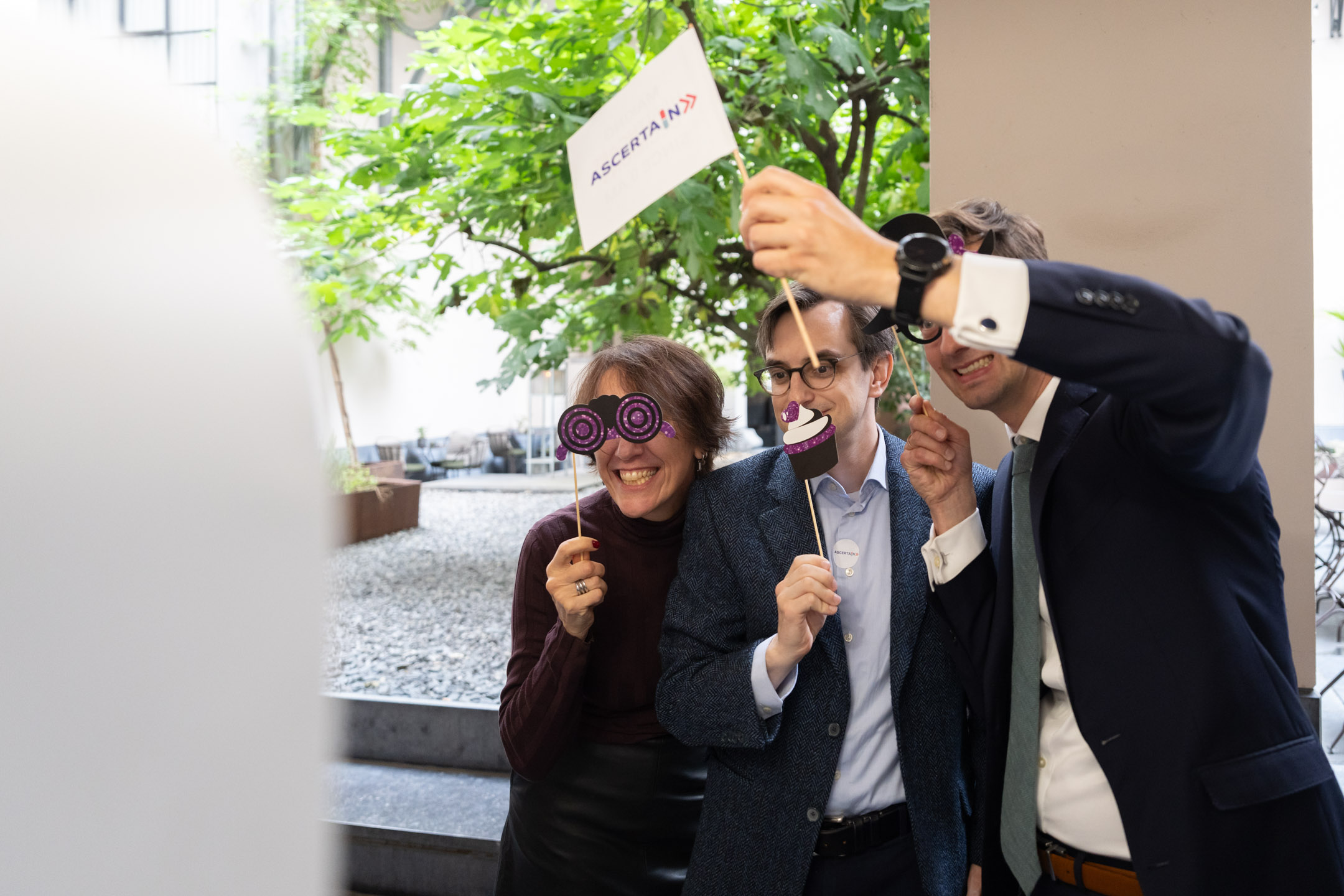
A short Recharge movement session, a photo booth, and a Belgian chocolate station by Maison Pliester provided additional opportunities to take a break and connect with other participants.

Parallel Stakeholder Workshops: Applying the Models to Real-World Decisions
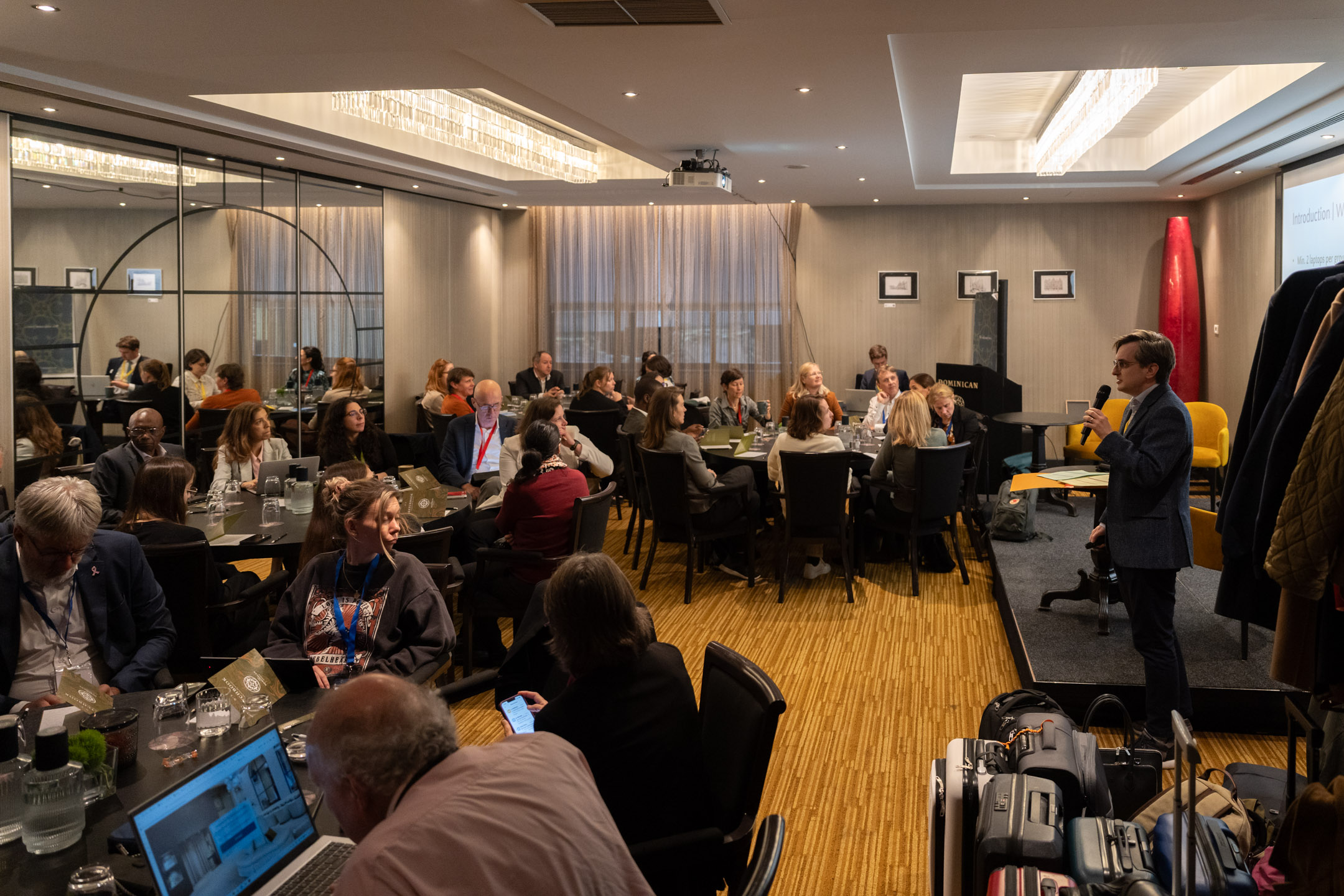
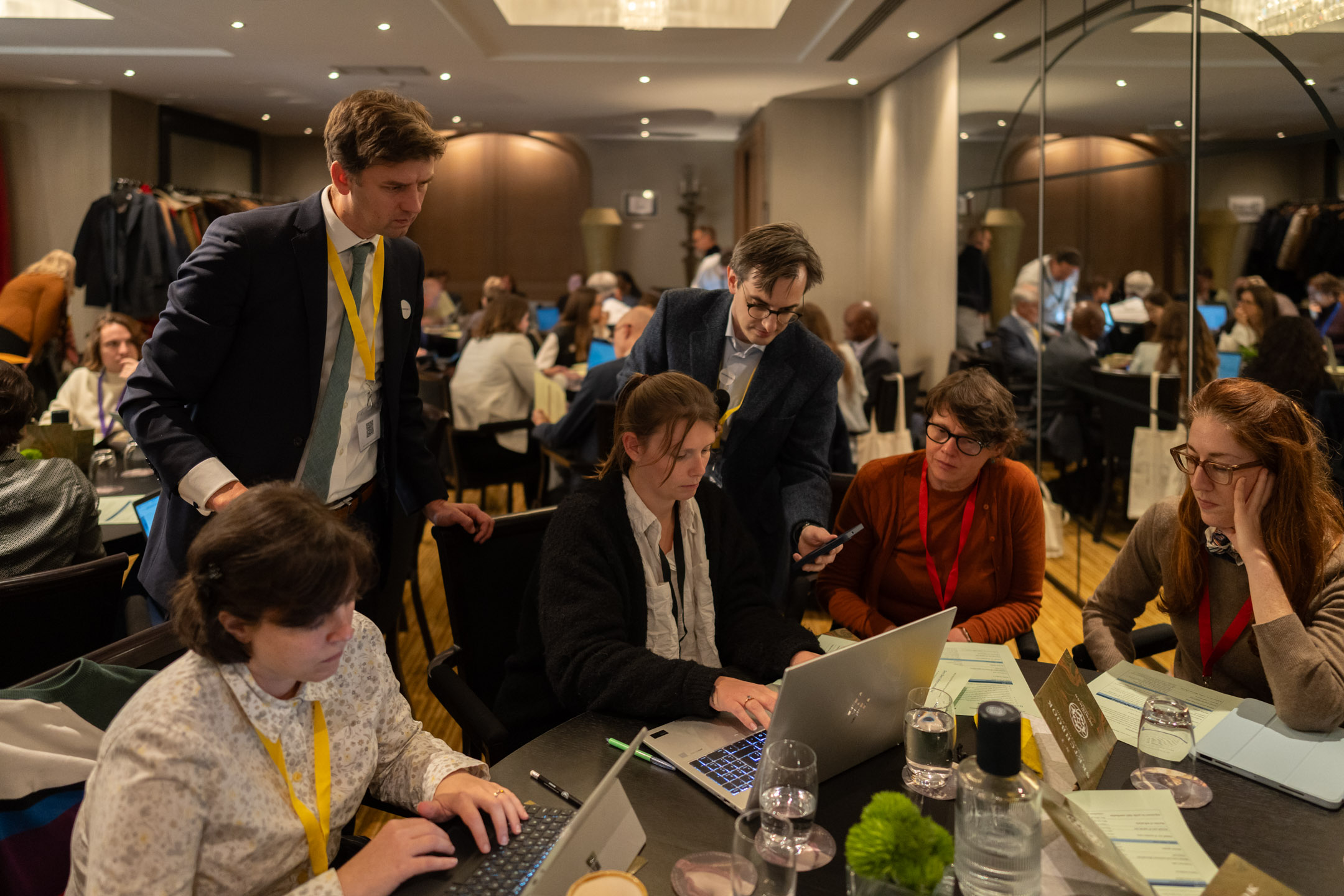
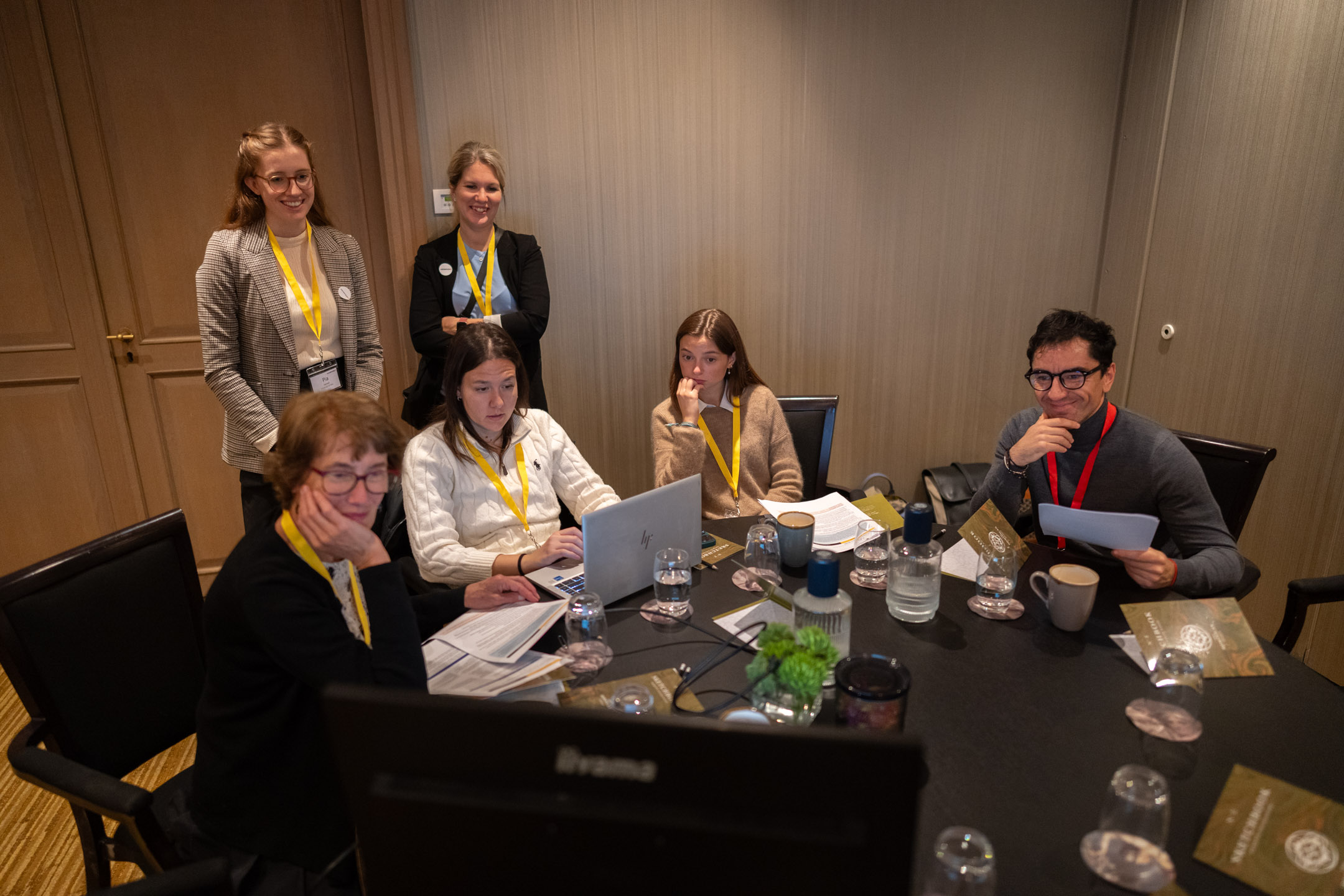
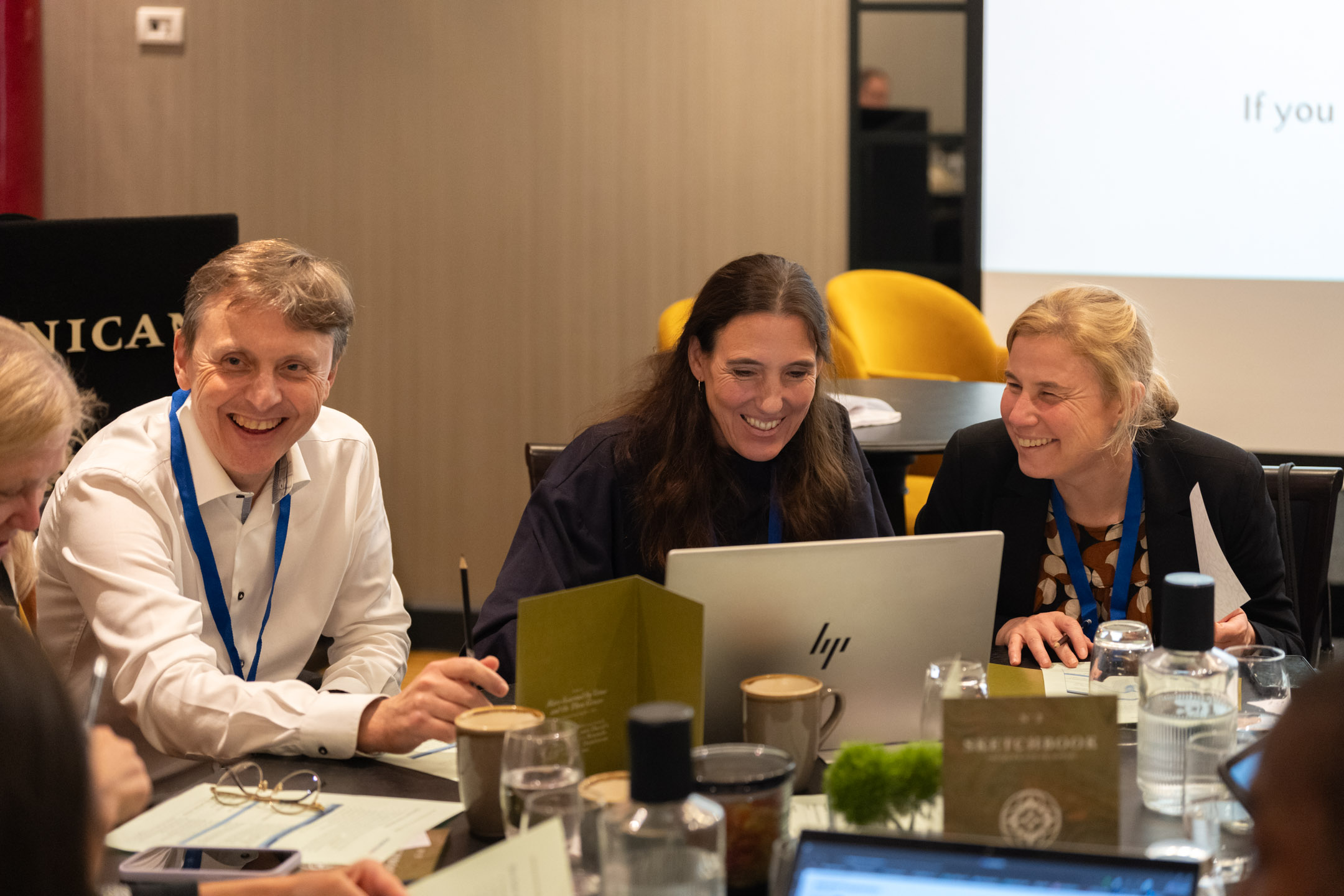
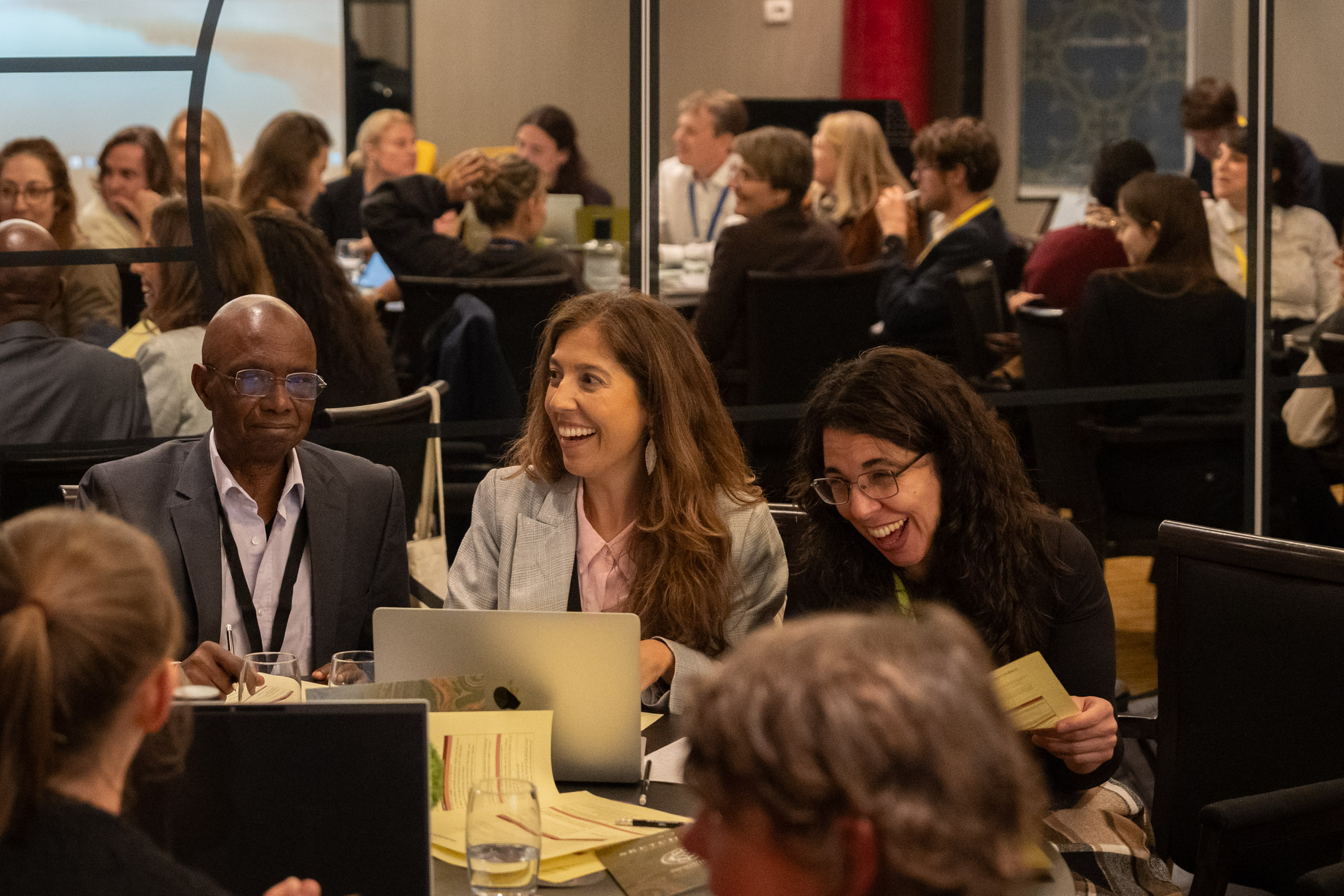
In the afternoon, participants joined three parallel stakeholder workshops designed to explore how ASCERTAIN’s pricing, cost-effectiveness, and reimbursement models could be applied to real-world healthcare decision-making scenarios.
The workshops focused on three areas:
- Access-based Pricing Lab, facilitated by Anne Hendrickx, Dr. Maximilian Salcher-Konrad, and Nicolas Xander.
- Cost-effectiveness and Budget Impact Lab, facilitated by Prof. Eline Aas, Benjamin P. Geisler, Pia Henkel, Kine Pedersen, and Yancy Wu.
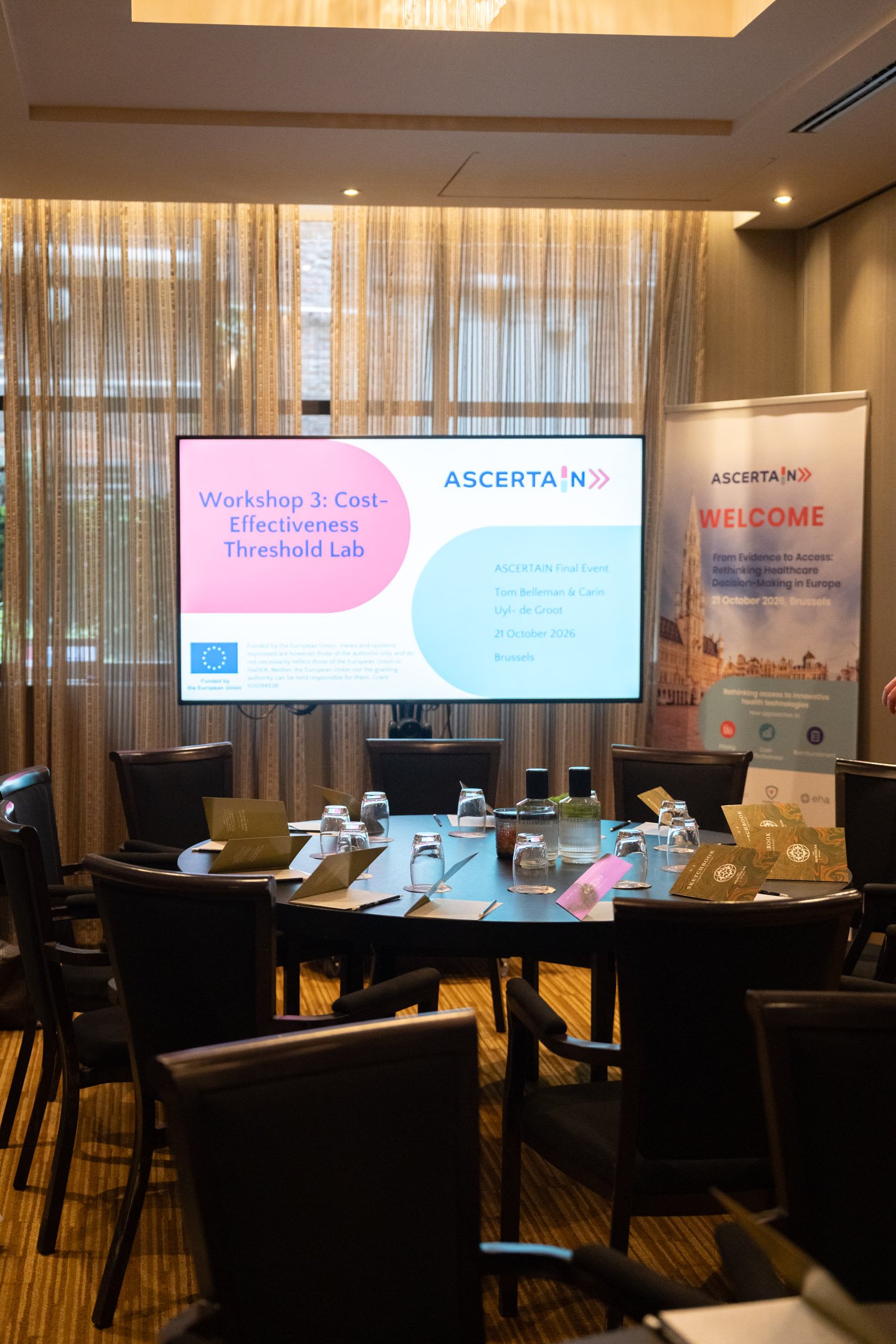
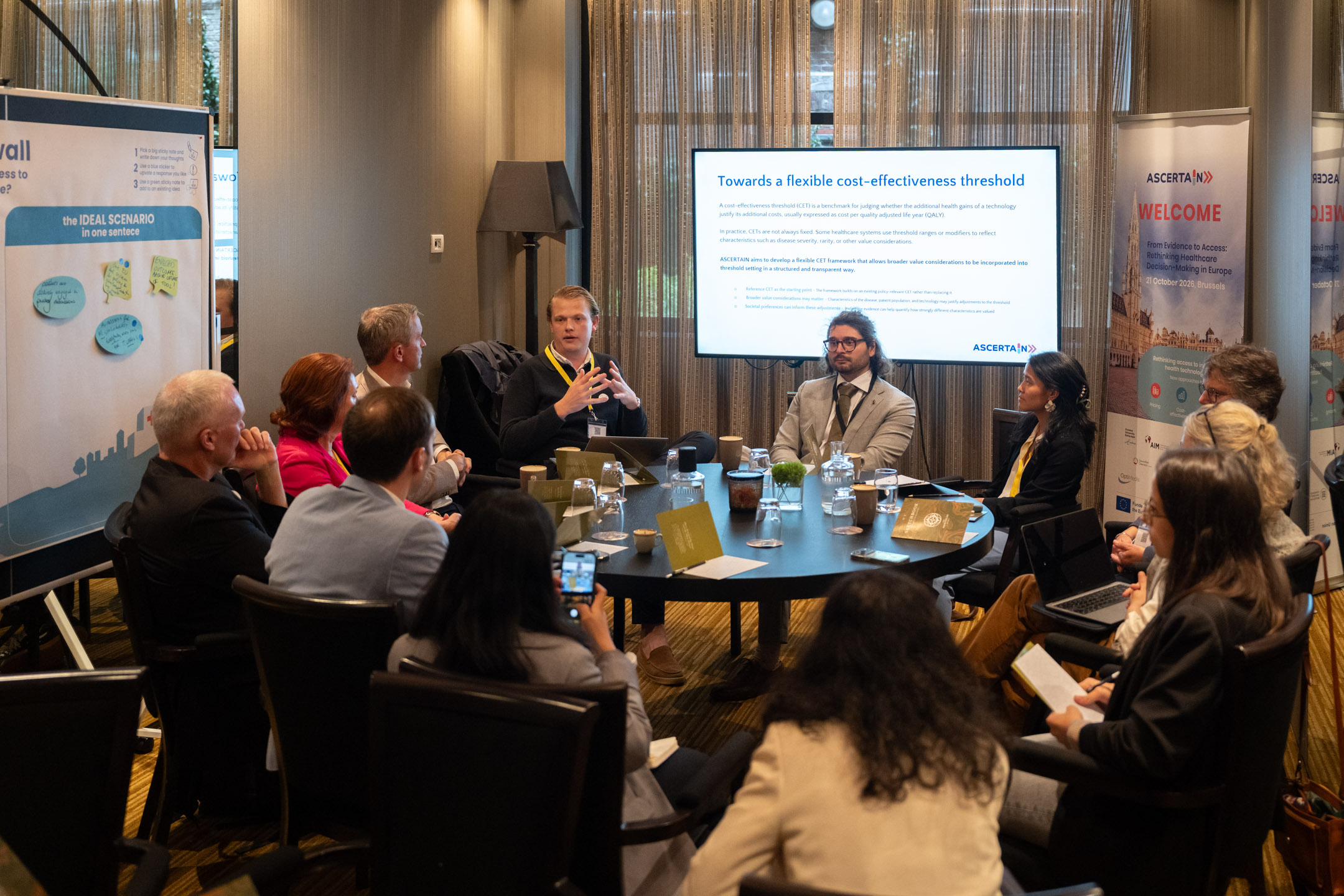
- Cost-effectiveness Thresholds Lab, facilitated by Prof. Carin Uyl-de Groot and Tom Belleman.
Access-based Pricing Lab
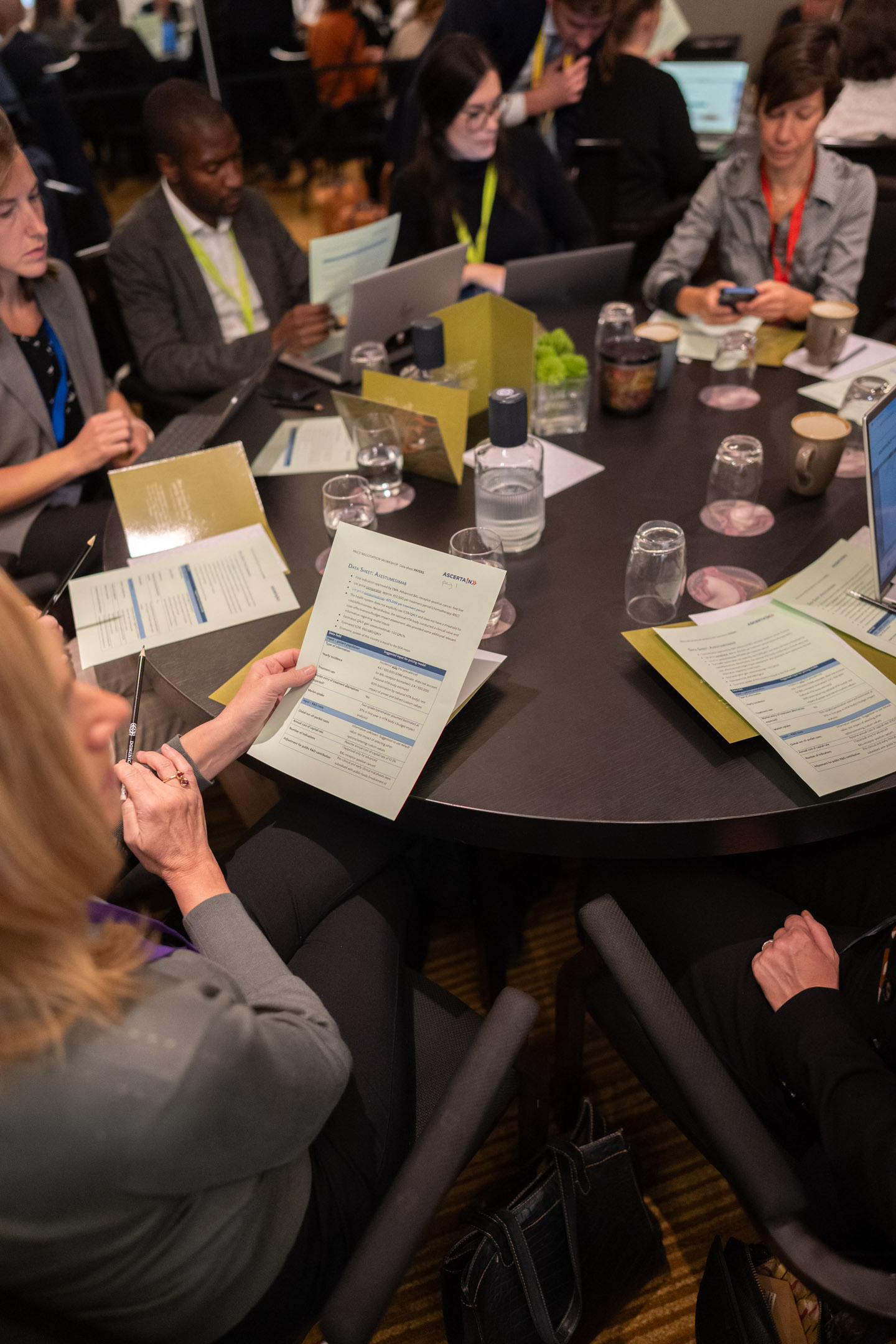
The workshop explored the access-based pricing model developed within ASCERTAIN through a simulated price negotiation for a fictitious new cancer treatment. Participants took on the roles of pharmaceutical companies or healthcare payers and used the model to calculate an access-based price based on information provided in a data sheet. They then negotiated a reimbursement price with the opposing party.
The workshop attracted 35 participants from across stakeholder groups, who actively engaged with the model and discussed different negotiation strategies. Participants generally appreciated the model’s concept and level of detail, recognising its potential to structure pricing discussions. However, they also highlighted challenges, including the need for both negotiating parties to agree on using the model and the importance of generating country-specific prices. Overall, the workshop generated considerable interest, which was also reflected in the subsequent stakeholder panel discussion.
Cost-Effectiveness Thresholds Lab
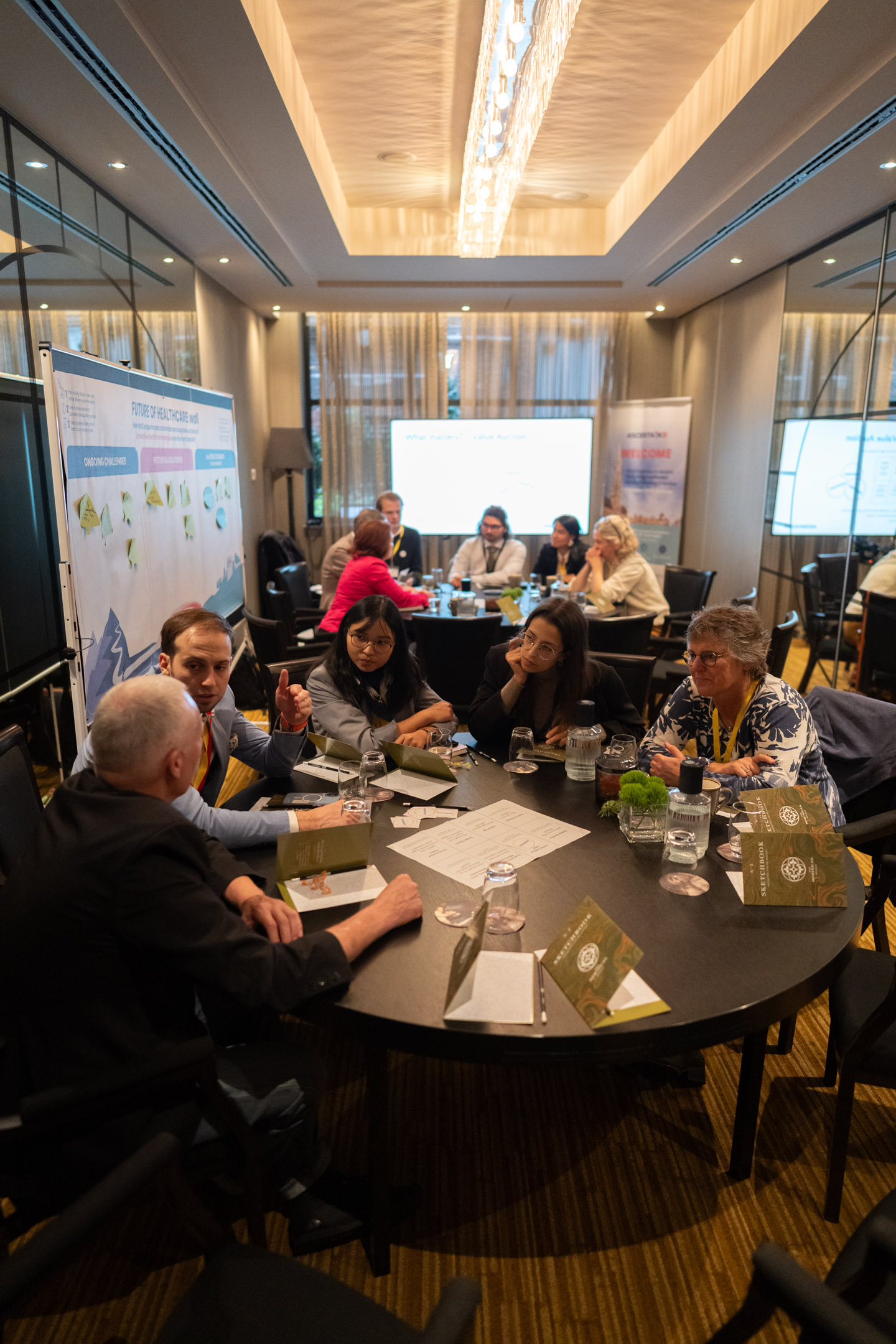
The workshop explored how societal preferences and broader considerations of value beyond the quality-adjusted life year (QALY) could inform more flexible cost-effectiveness thresholds (CETs) and reimbursement decisions. Through interactive group exercises, including a Value Auction and a Technology Challenge, participants discussed which reimbursement criteria they considered most important and how these should influence CETs. Differing perspectives within and between groups highlighted the complexity of incorporating broader societal values into healthcare decision-making. Participants also explored ASCERTAIN’s Cost-Effectiveness Threshold Model within the Policy Support Tool, examining how findings from the project’s societal preference study could influence threshold setting. The discussions demonstrated that there is no single approach to weighting reimbursement criteria and that their relative importance may depend on other factors. The workshop underlined the value of continued dialogue among diverse stakeholders when integrating societal preferences into reimbursement decisions.
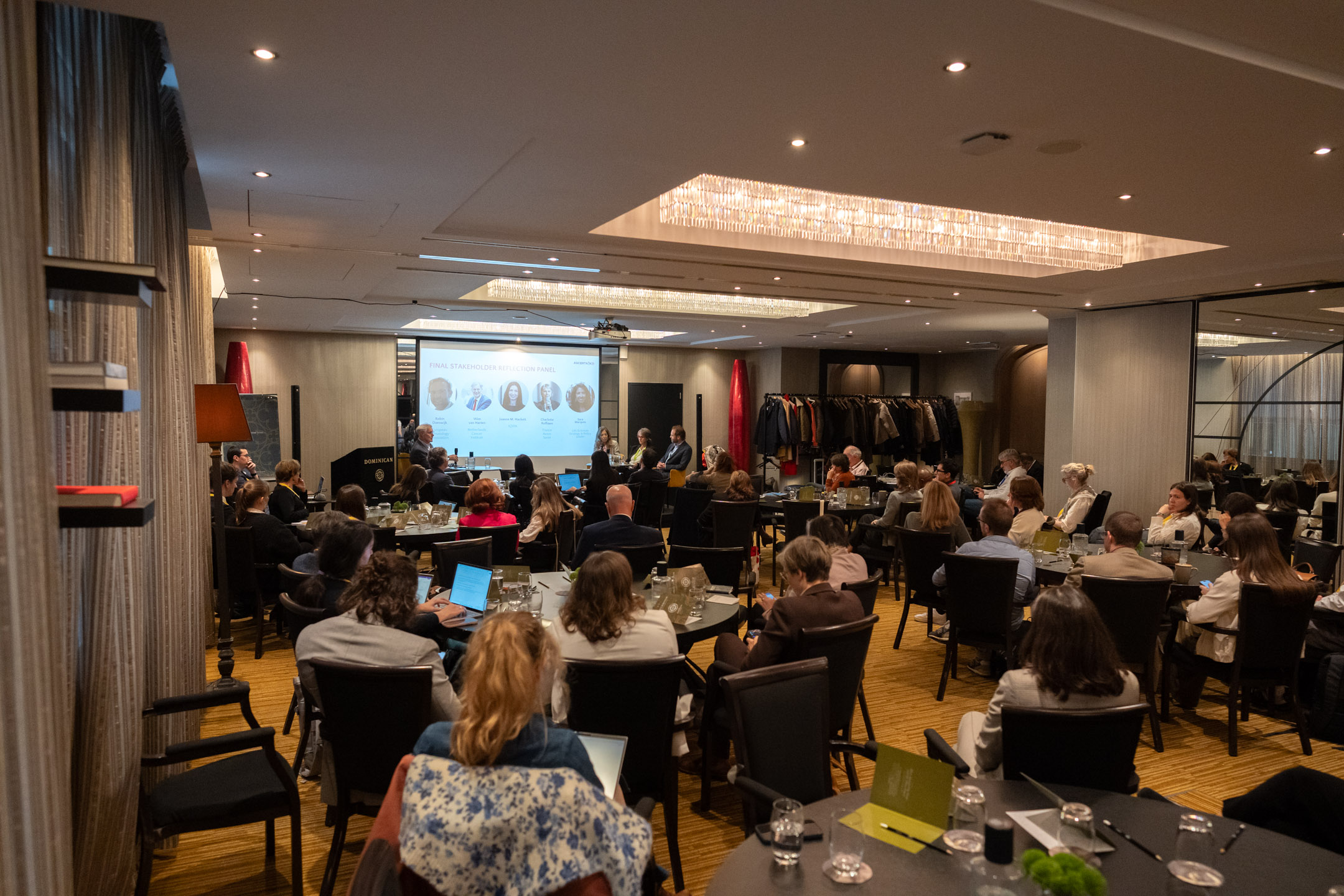
Final Stakeholder Reflection Panel: Opportunities and Challenges for Real-World Adoption
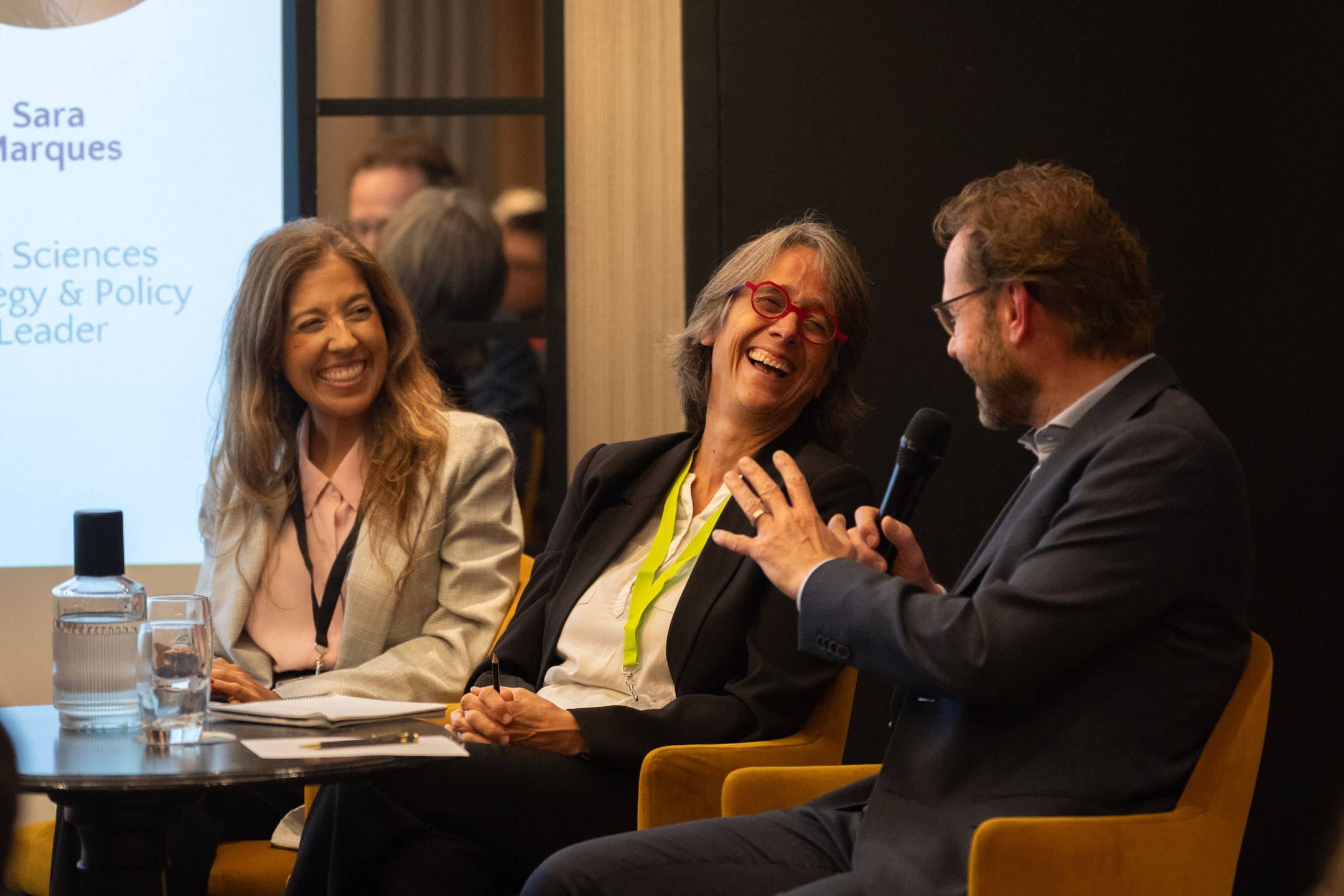
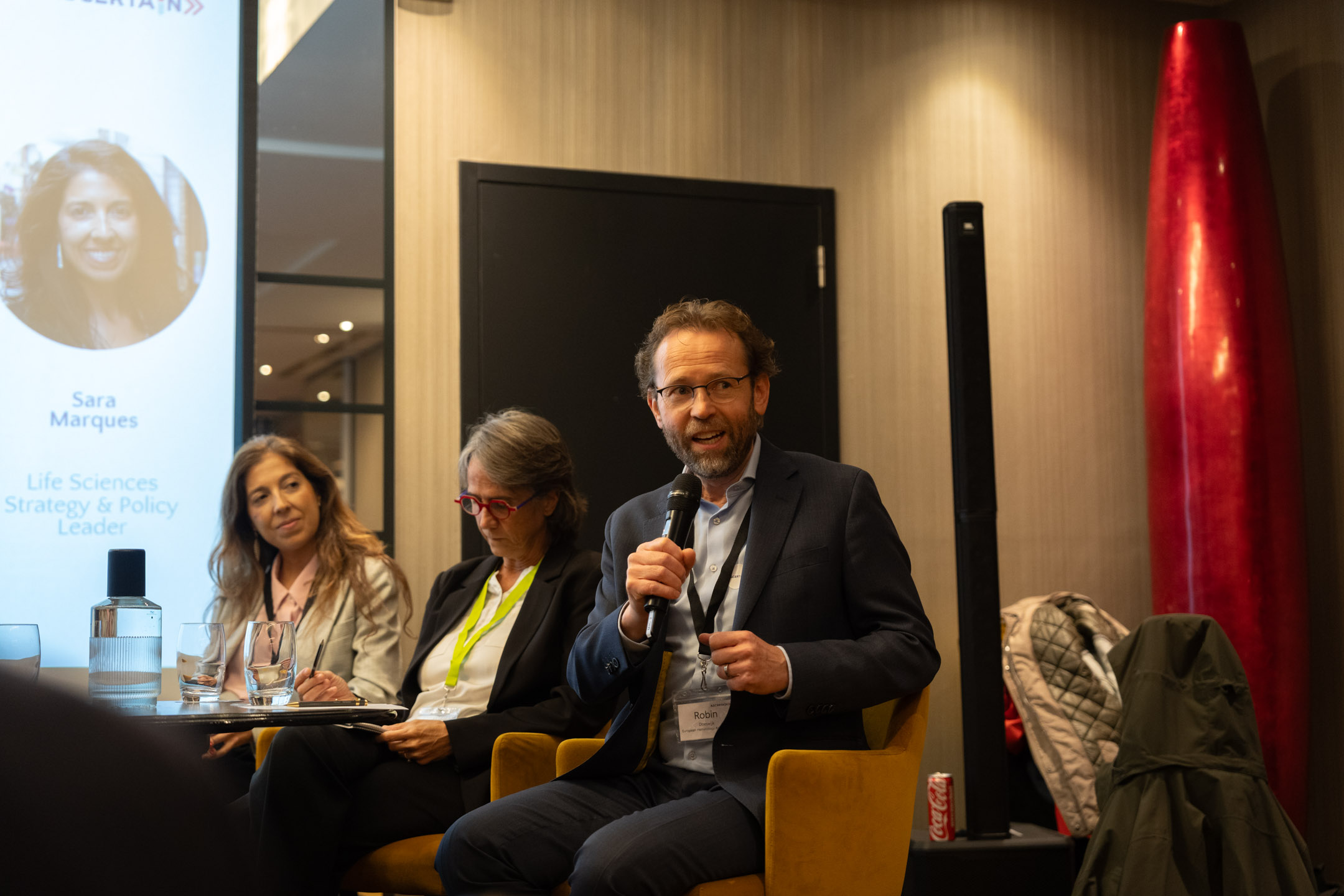
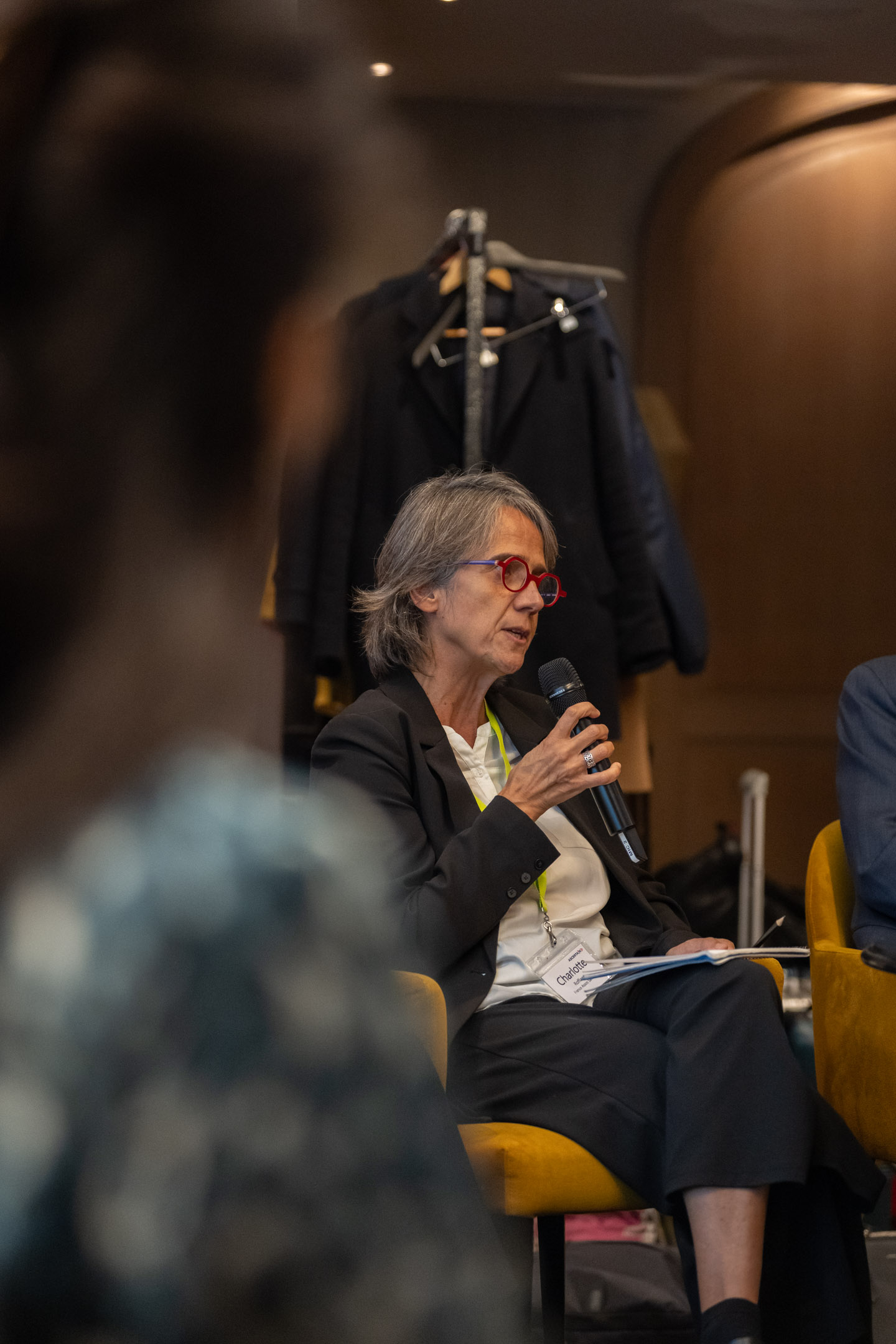
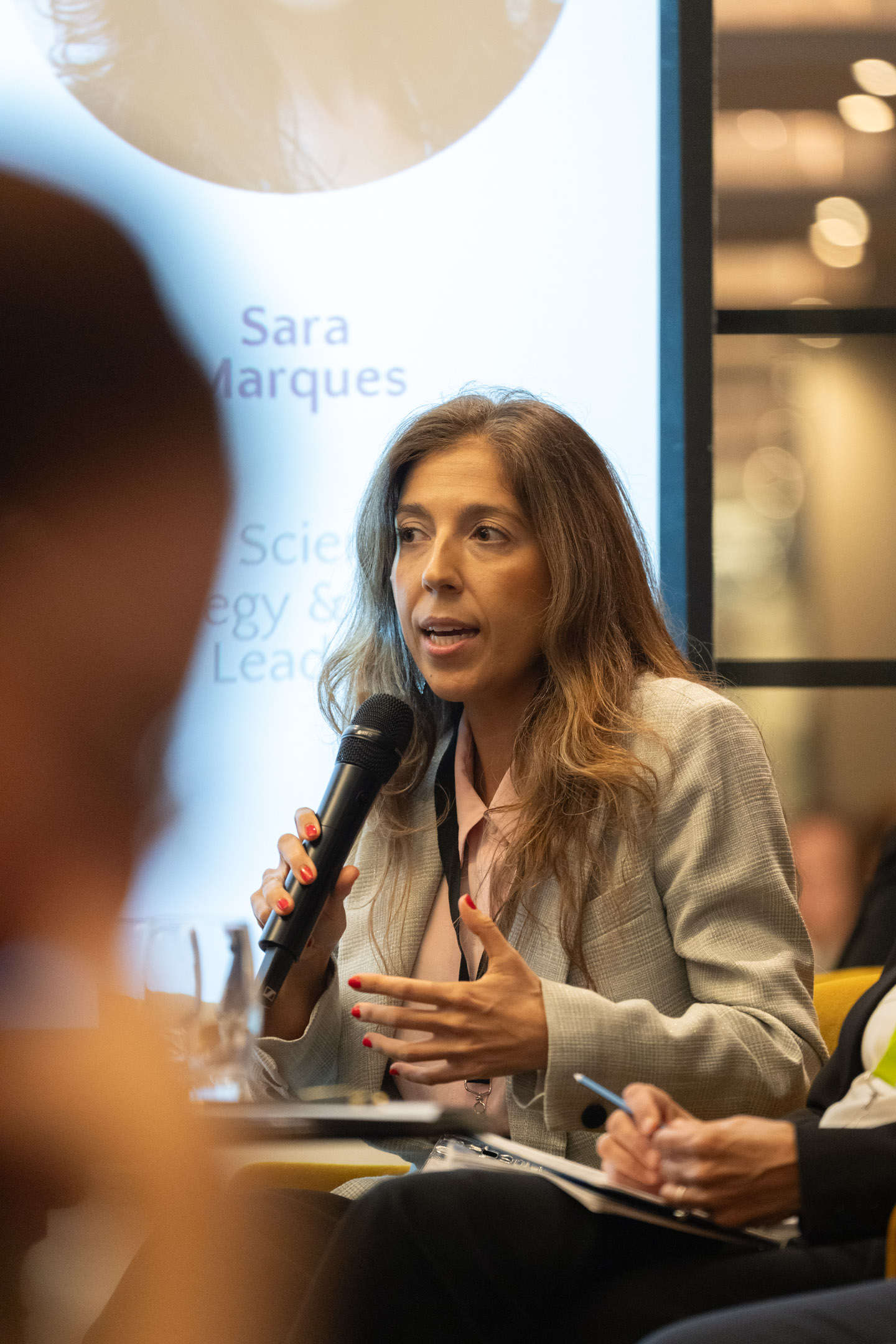
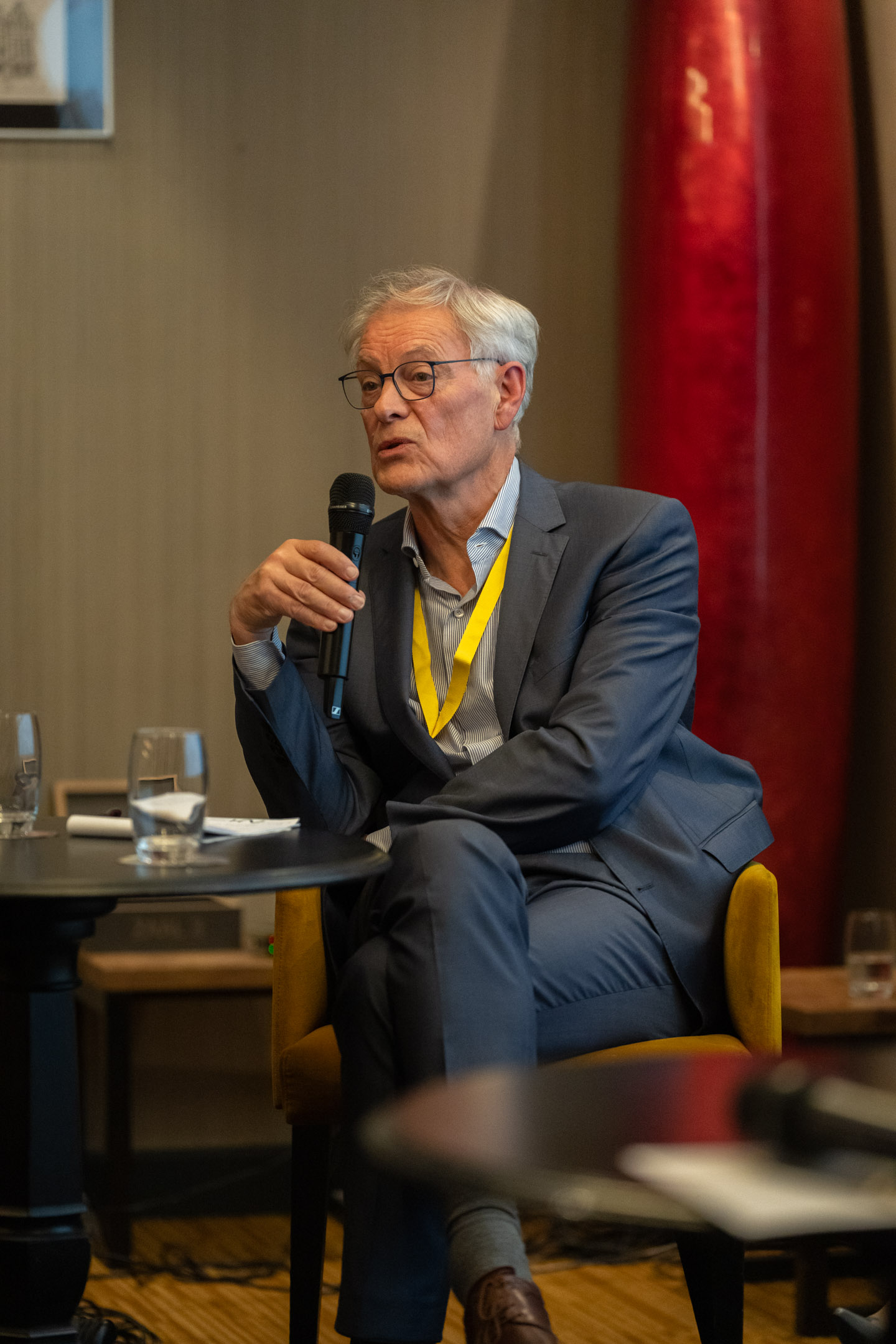
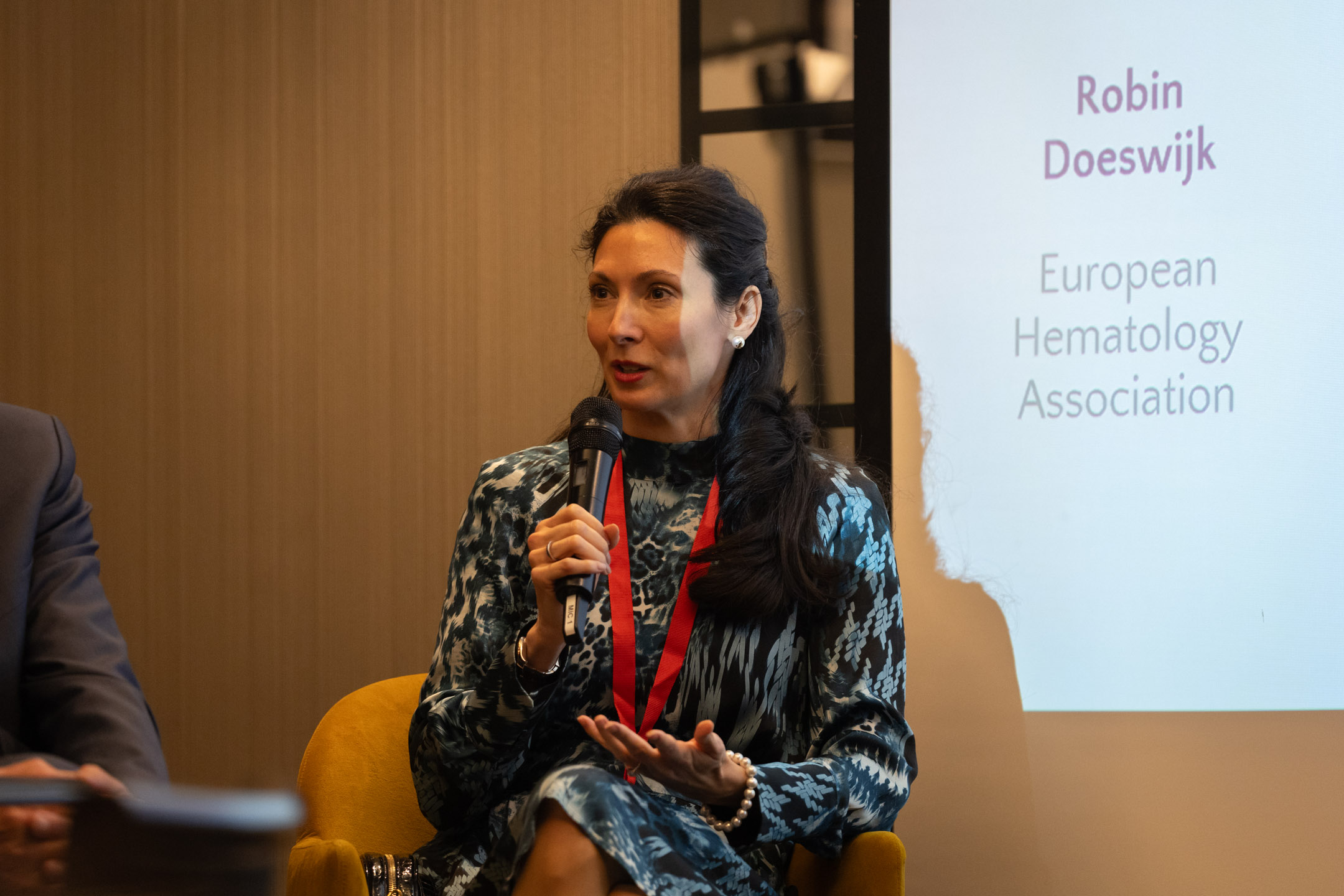
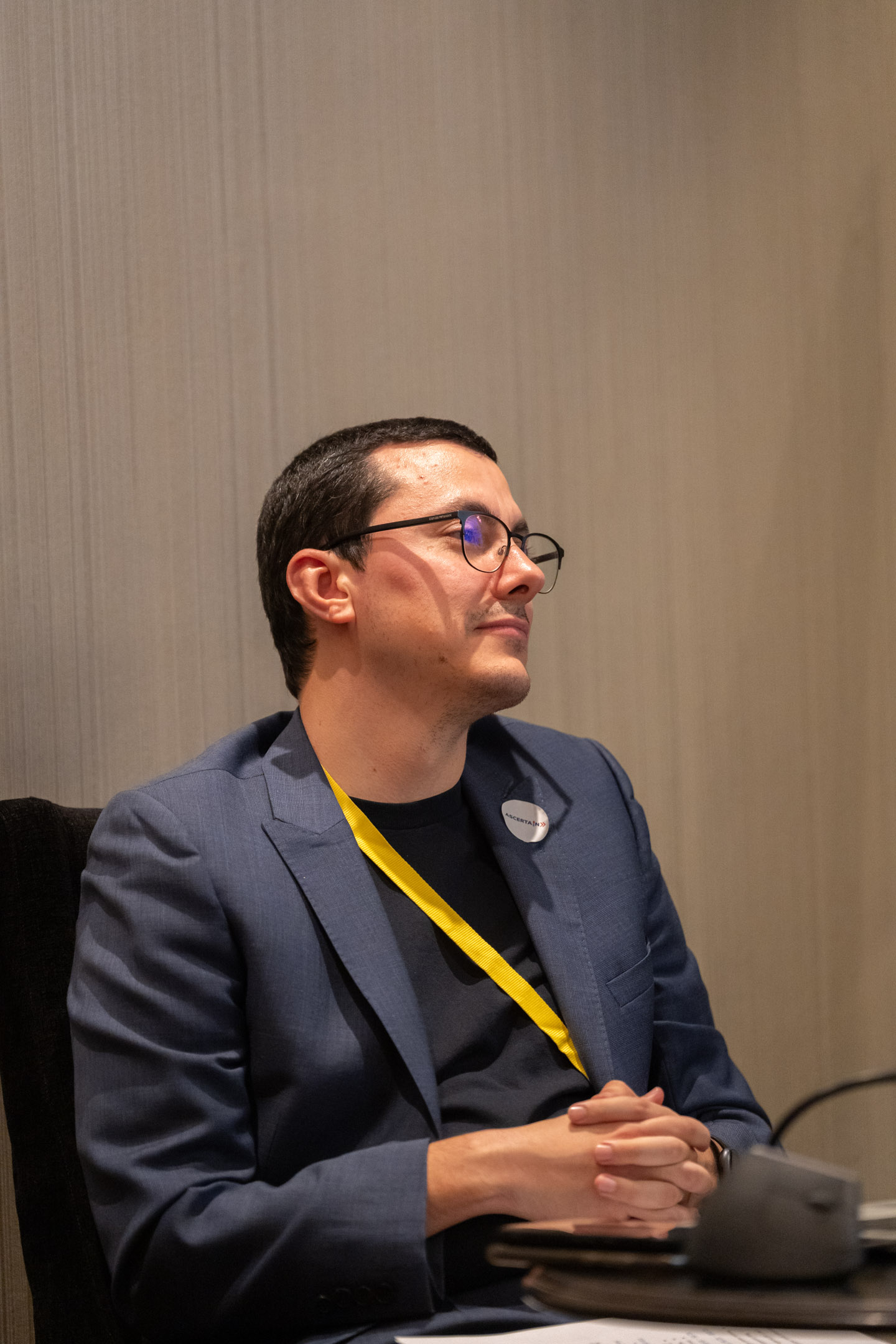
The final stakeholder panel brought together Robin Doeswijk (European Hematology Association), Prof. Wim van Harten (Netherlands Cancer Institute), Dr. Joanne Hackett (IQVIA), Charlotte Roffiaen (France Assos Santé), and Sara Marques.
The panel reflected on the potential real-world adoption of ASCERTAIN’s pricing, cost-effectiveness, and reimbursement models and Policy Support Tool. Discussions focused on their potential to support more transparent negotiations, opportunities for implementation, and remaining challenges.
Transparency and Stakeholder Involvement
Charlotte Roffiaen highlighted the progress made in patient representation within the models, while noting that patients remain insufficiently involved in pricing discussions. Sara Marques stressed that healthcare professionals also need to be more actively involved and that adoption of the tool would require engagement with relevant stakeholders, including the pharmaceutical industry.
Prof. Wim van Harten highlighted the potential of common definitions, inputs, and data to create a shared basis for discussions between countries and stakeholders. Wider adoption of the models could improve transparency and provide greater common ground for negotiations.
Dr. Joanne Hackett emphasised the time and resources required to collect, generate, and synthesise evidence, which contribute to the costs of clinical trials. She also highlighted the role of clinical trial participation in facilitating patient access to novel therapies.
Opportunities and Challenges for Adoption
The discussion highlighted the importance of collaboration and information-sharing among countries and stakeholders.
Prof. Wim van Harten noted that wider agreement across Europe on using the models could provide greater clarity and common ground for pricing and reimbursement discussions.
Charlotte Roffiaen emphasised the need to involve patients and healthcare professionals together and improve their understanding of product prices and the factors shaping them. Sara Marques highlighted the importance of examining care pathways to identify inefficiencies and opportunities for optimisation, while Dr. Joanne Hackett suggested that earlier contributions of existing hospital data could support more informed negotiations.
The discussion also addressed the rapidly evolving policy environment, including Most Favoured Nation (MFN) policies, and the challenge of keeping policymaking pace with scientific progress.
Keeping Patient Access at the Centre
In his closing remarks, Robin Doeswijk emphasised that the focus should remain on the purpose of the tools – improving patient access – rather than on methodology alone. He stressed that access extends beyond pricing and reimbursement to encompass research, development, and innovation.
Overall, the panel recognised the potential of ASCERTAIN’s models and Policy Support Tool to strengthen transparency, support negotiations, and inform decisions on patient access. Real-world adoption, however, will depend on meaningful stakeholder involvement, accessible data, appropriate training, and collaboration across countries.
In response to a question about decision-makers’ interest in using the models, Prof. Carin Uyl-de Groot indicated that stakeholders were interested in the next steps, while noting that further funding would be required.
Looking Ahead: The Future of ASCERTAIN
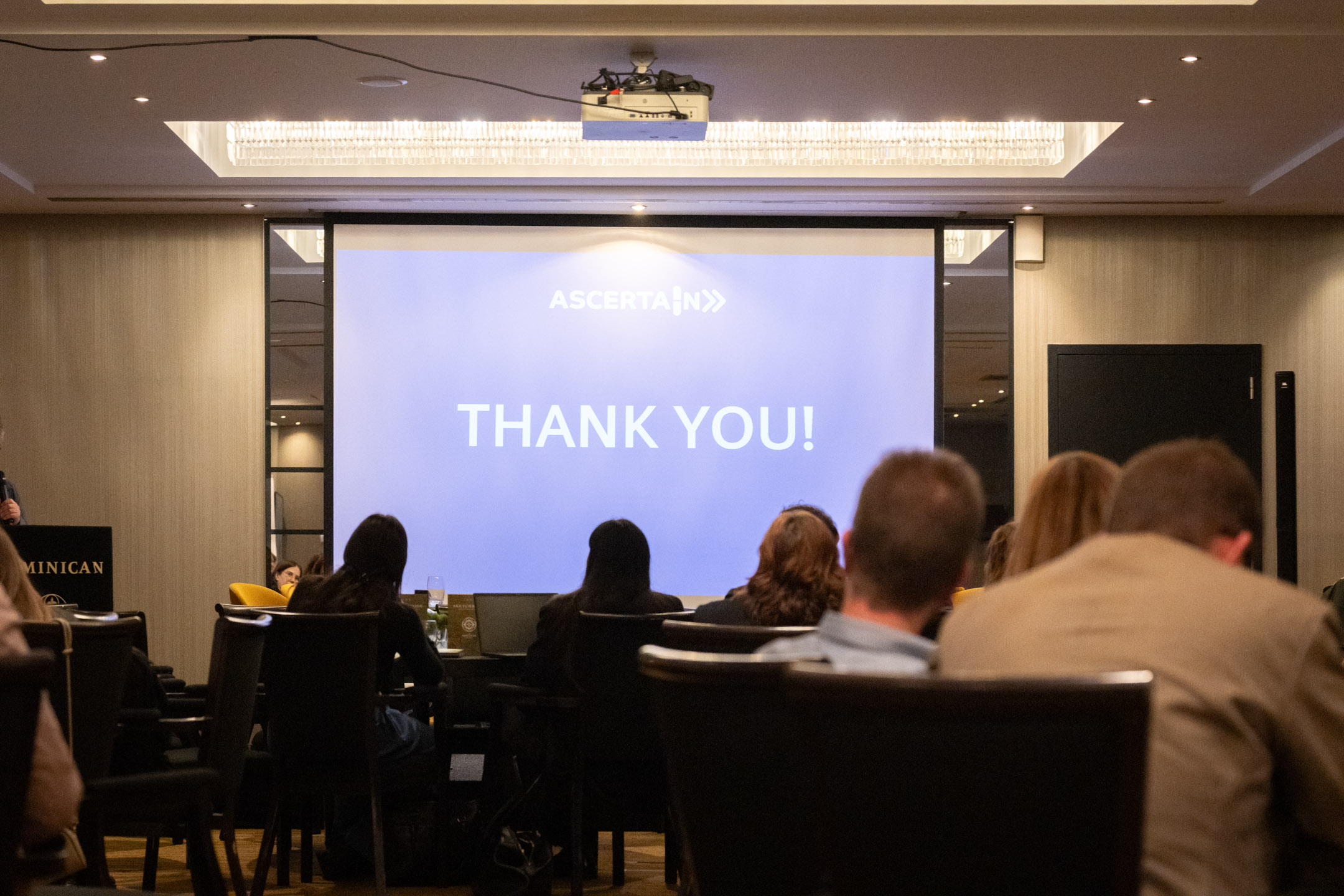
In her closing remarks, Prof. Carin Uyl-de Groot reflected on ASCERTAIN’s work and the opportunities to build on the project’s results.
The conference highlighted the importance of sustaining the models and Policy Support Tool beyond the project’s funding period, strengthening partnerships, and exploring opportunities for future development and implementation.
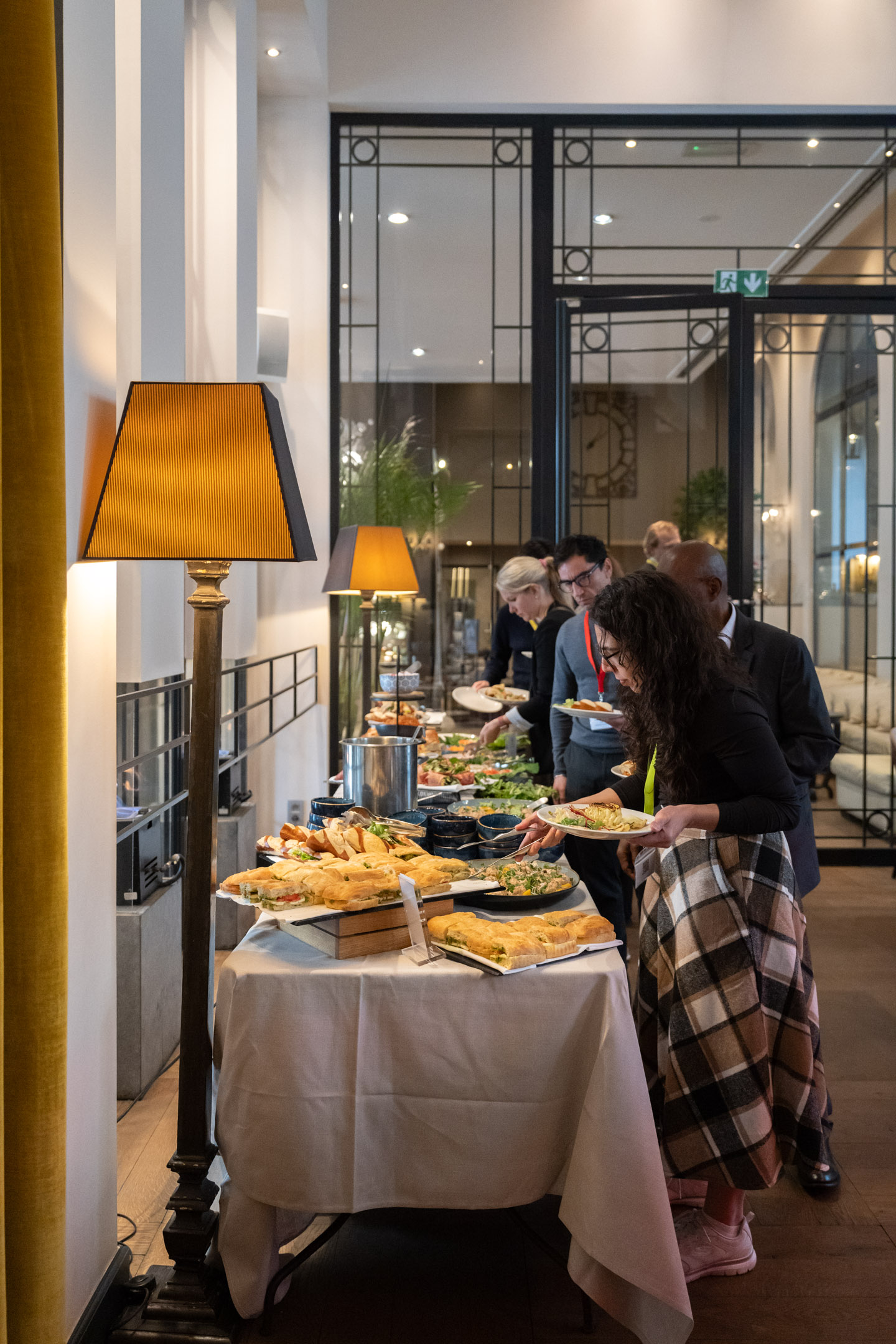
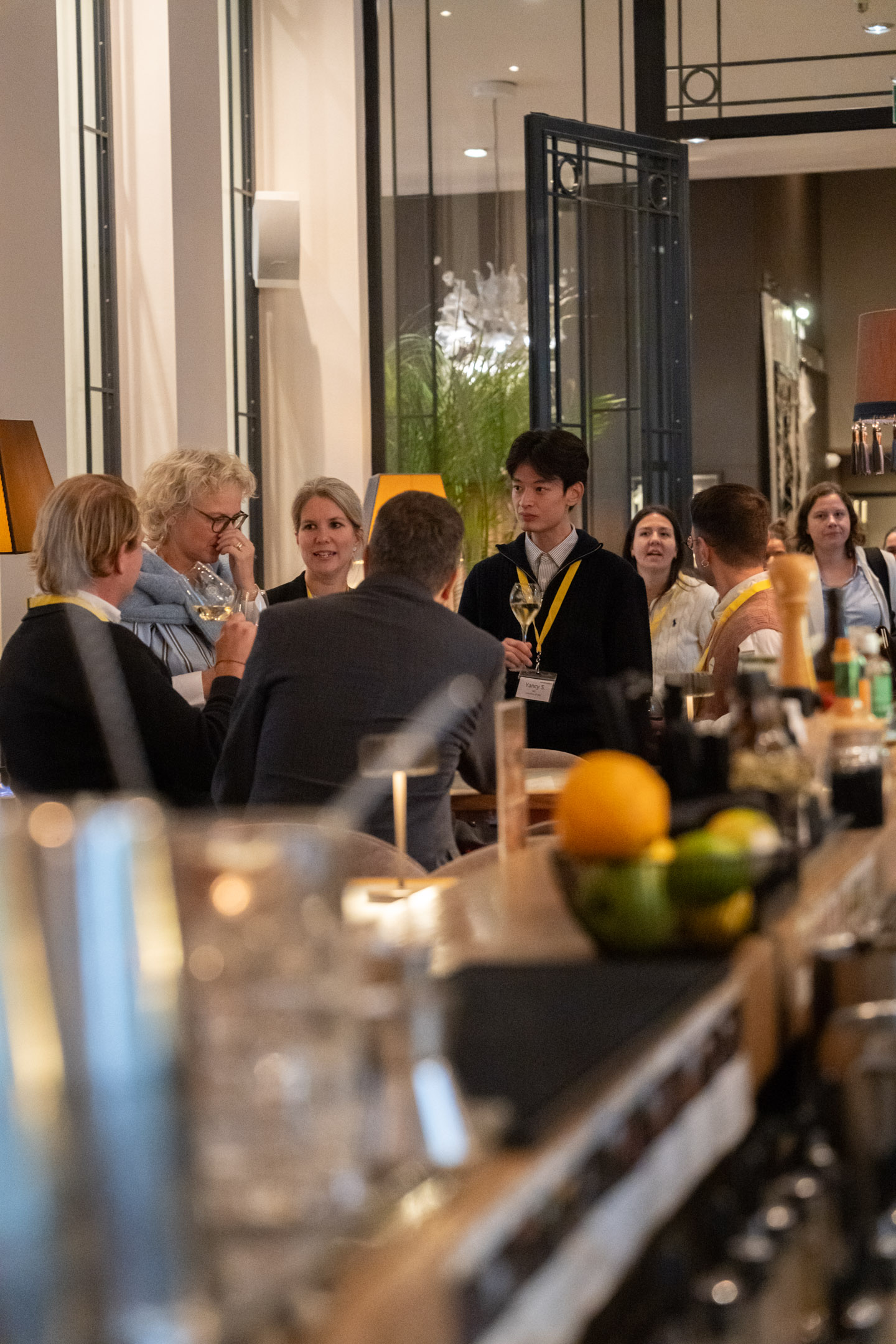
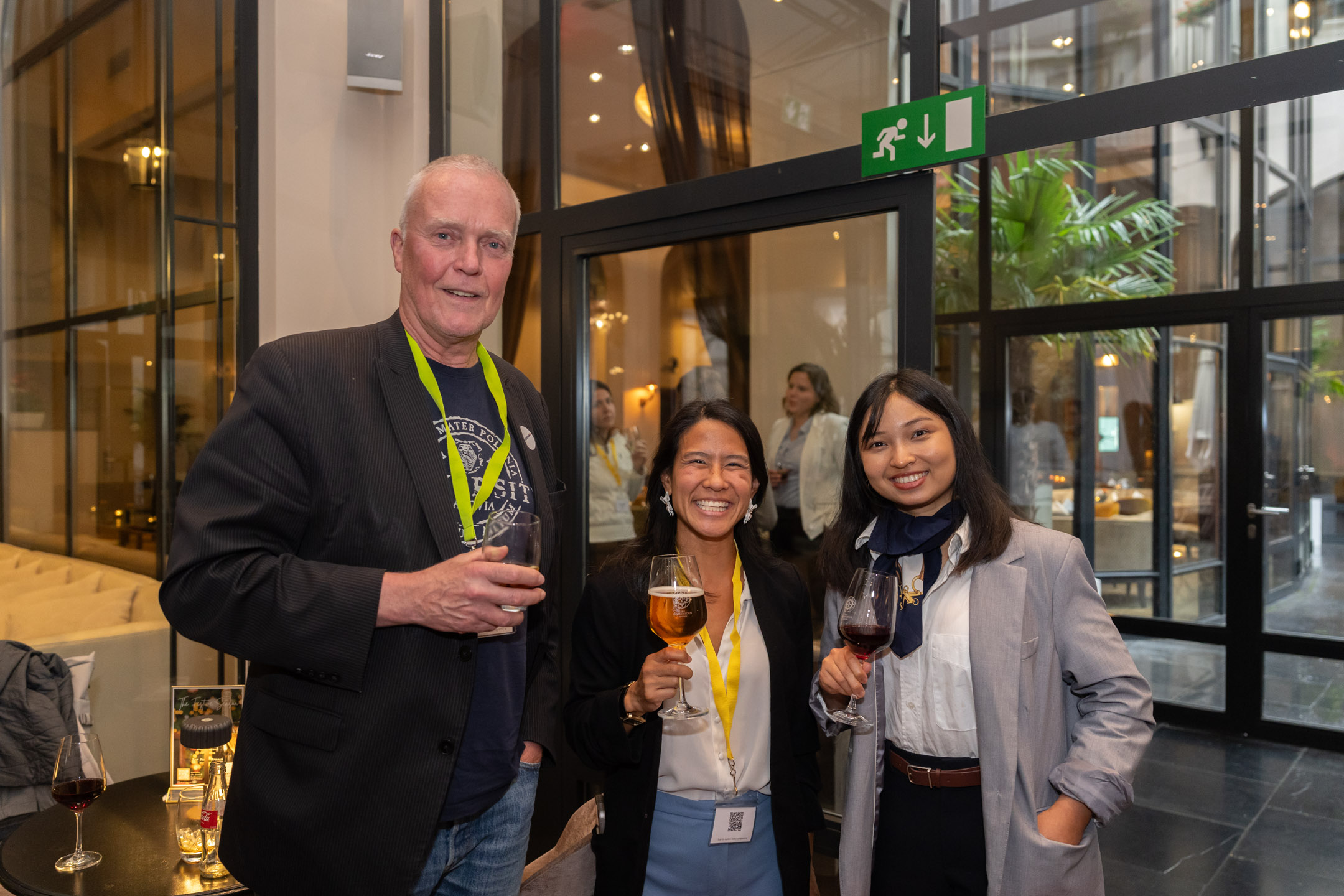
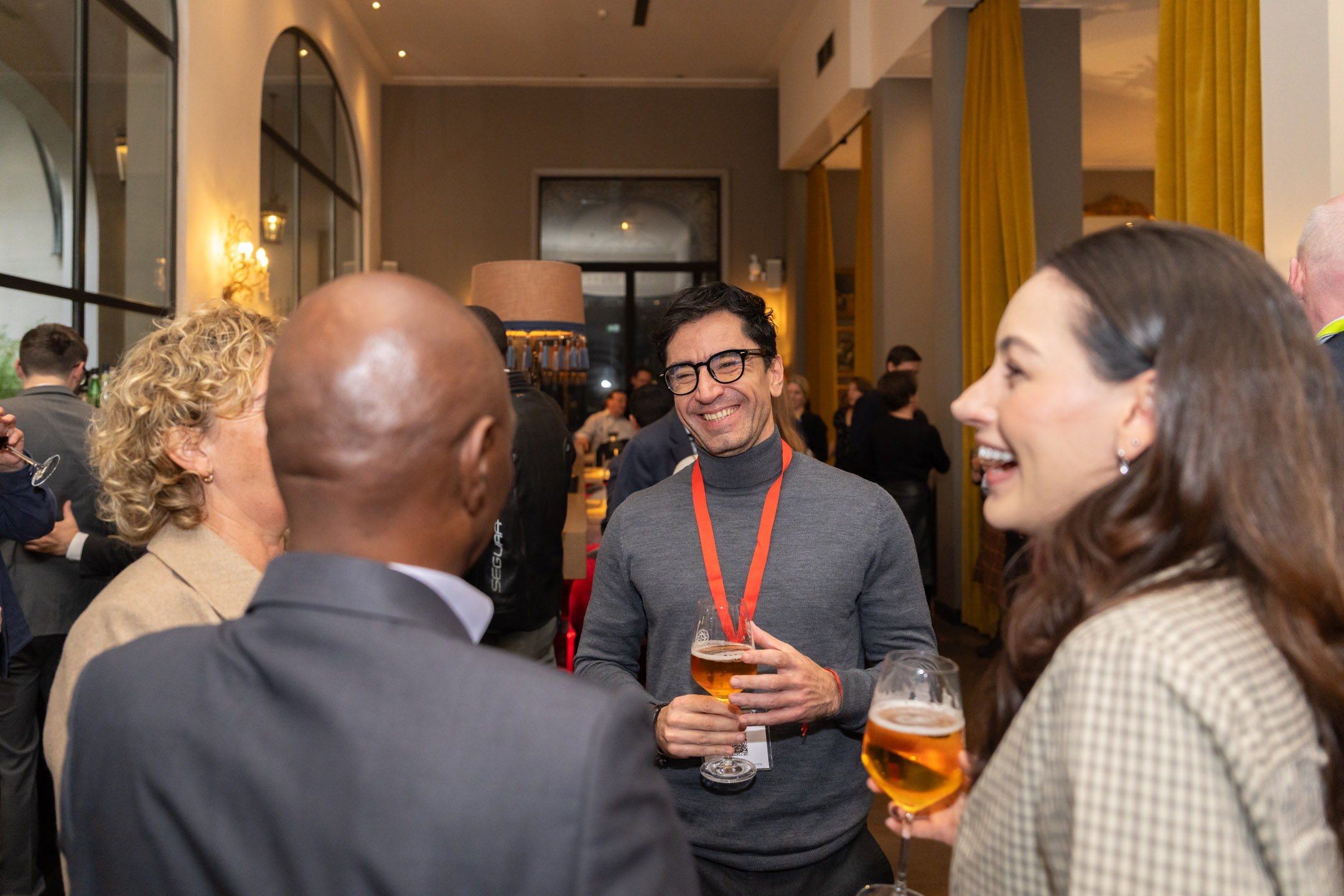
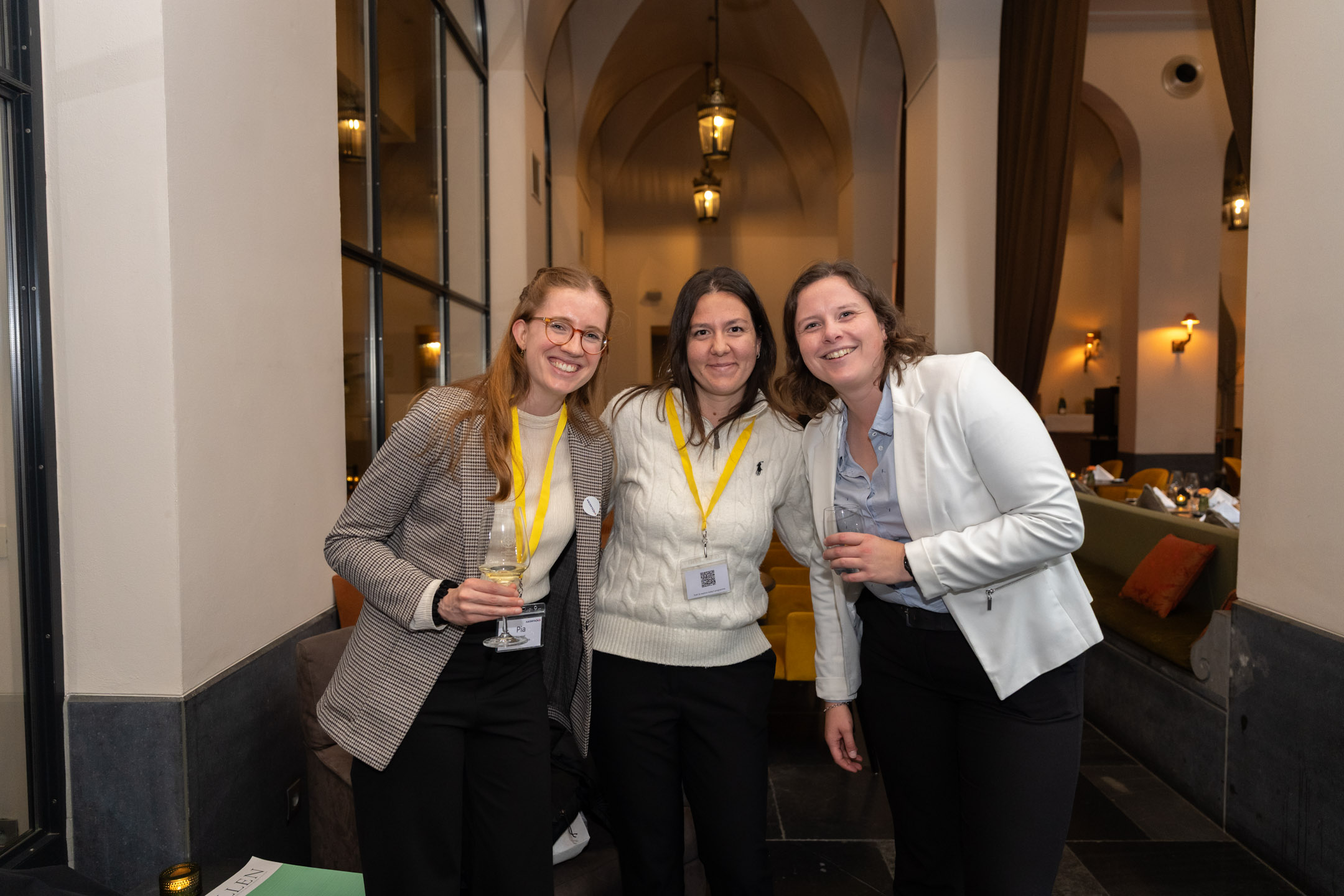
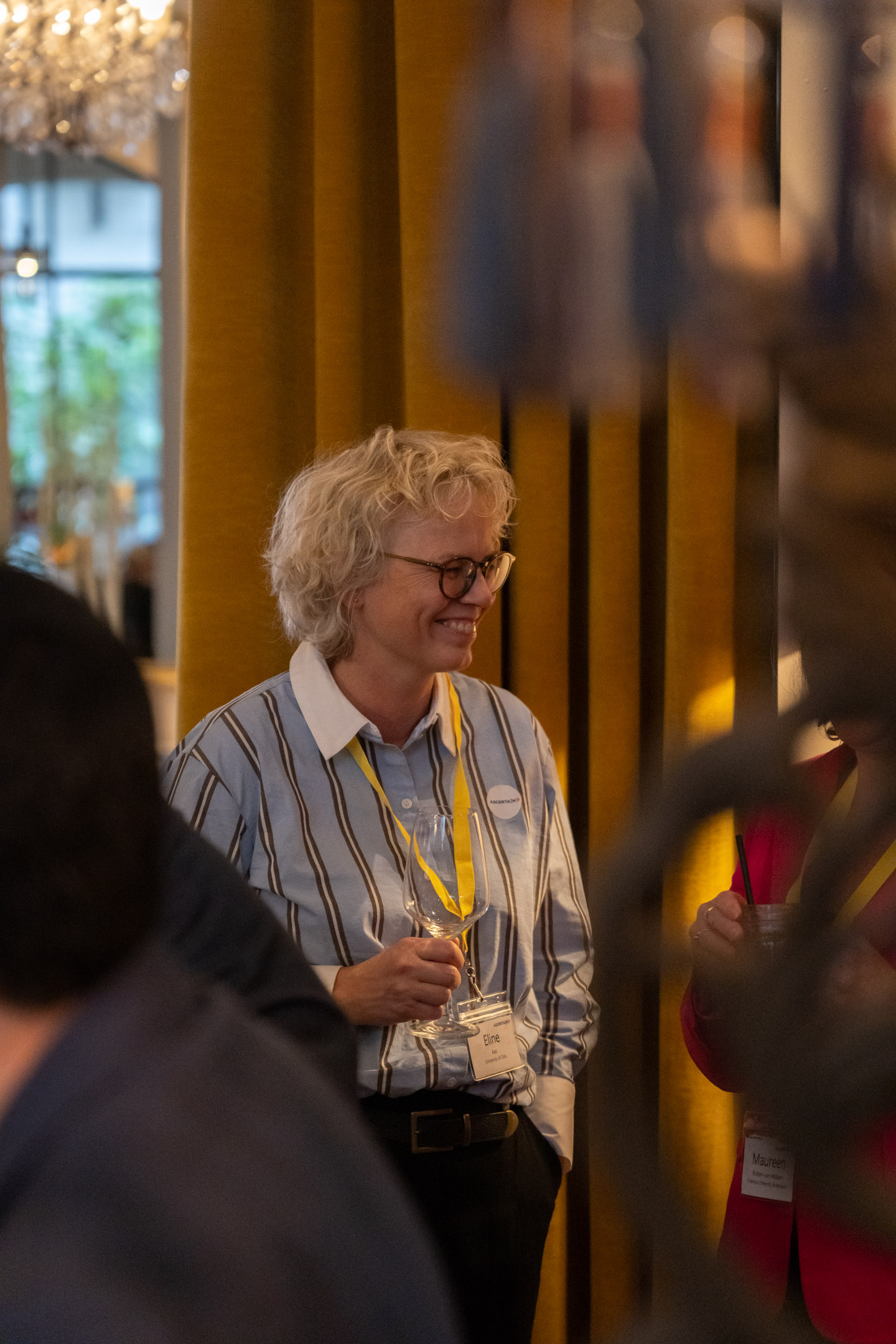
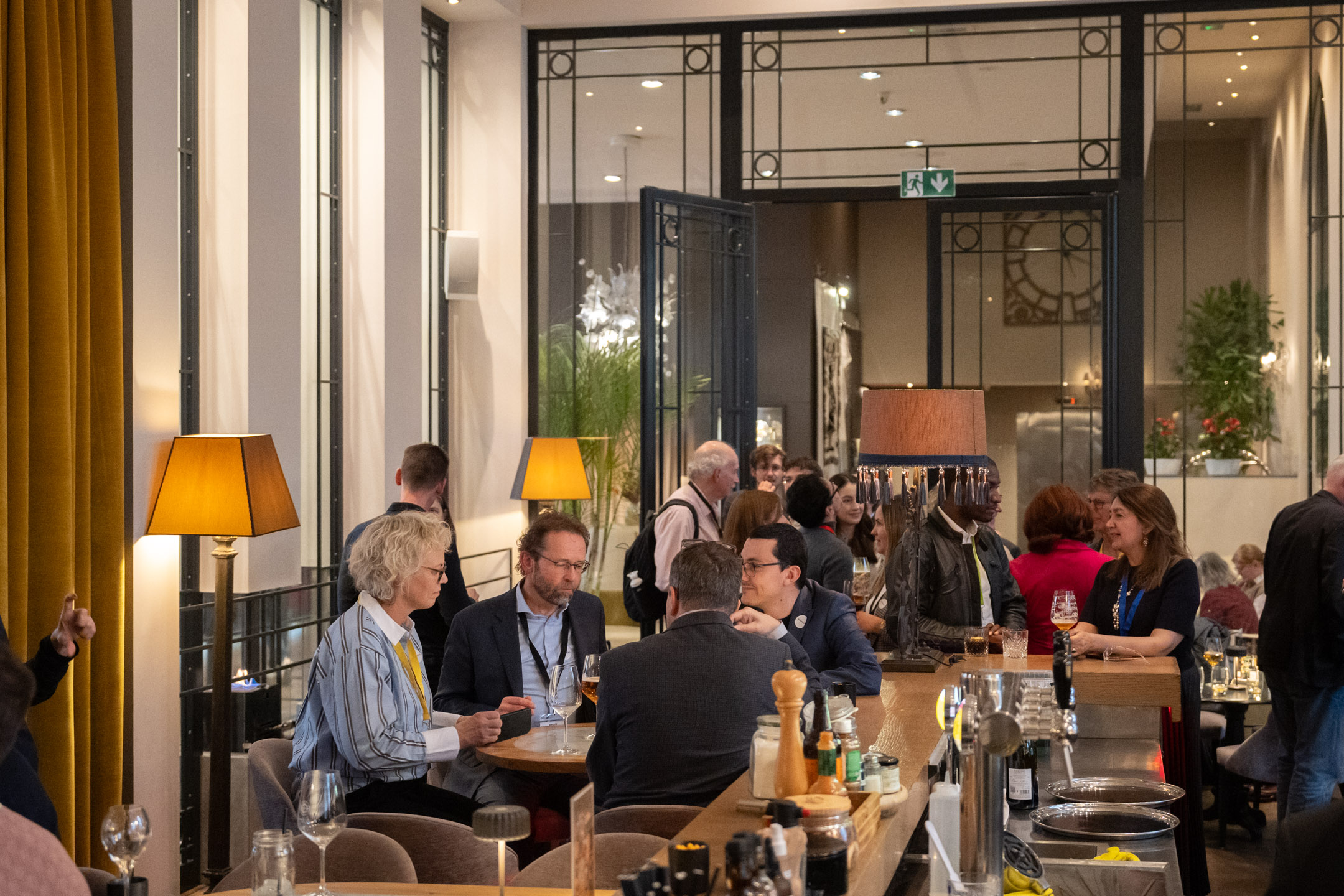
The event concluded with a networking reception, allowing participants to continue their discussions and exchange ideas.


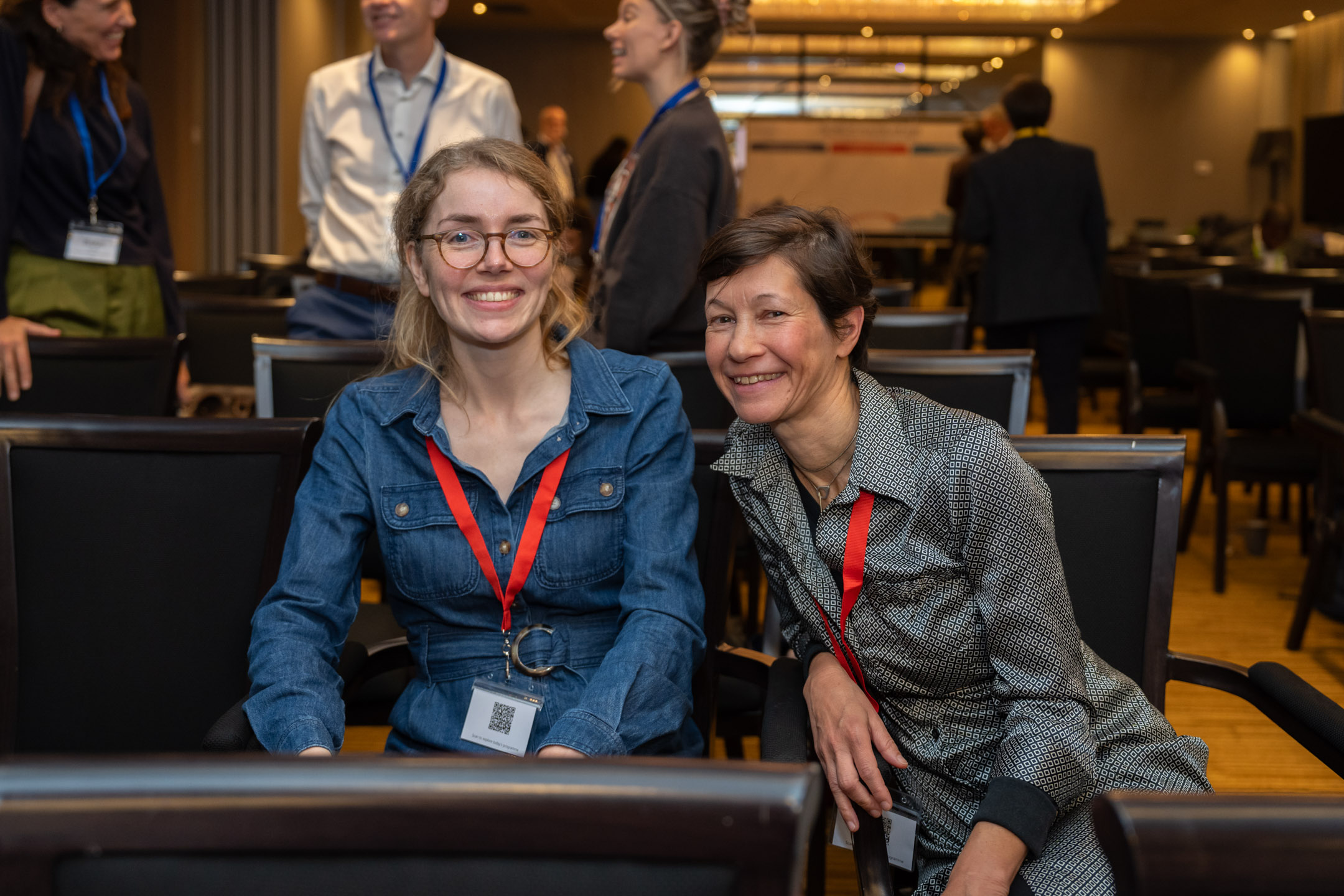
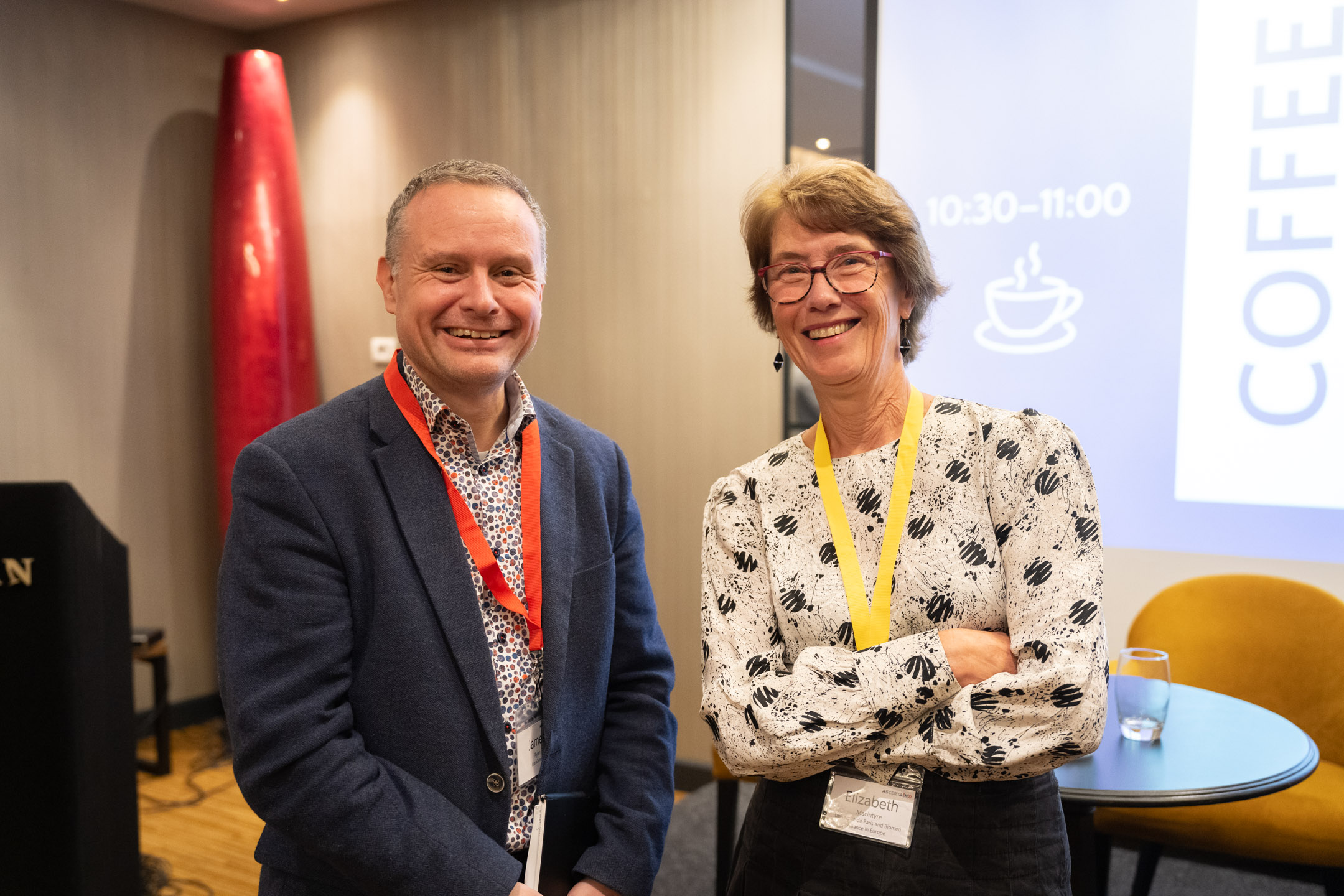
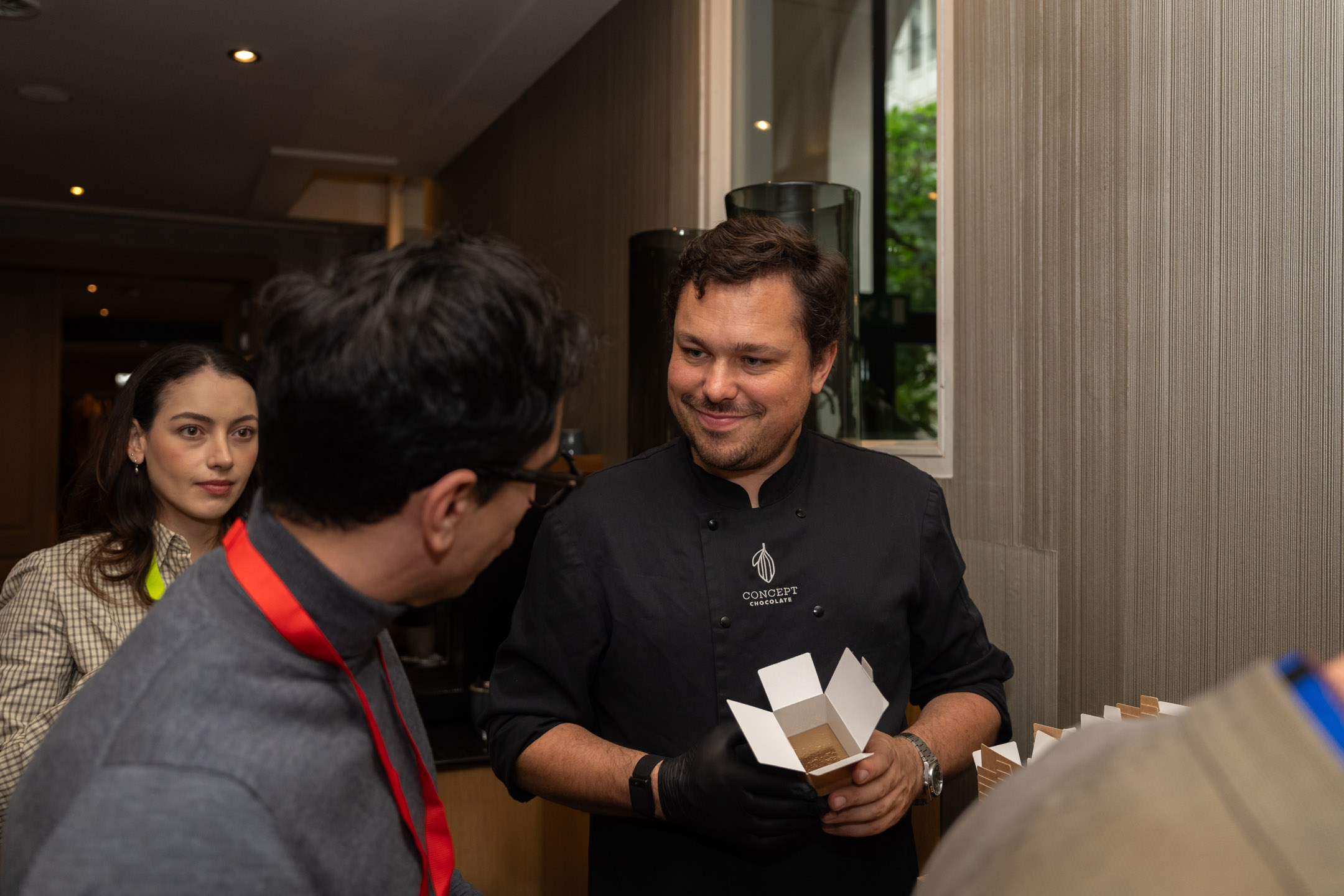
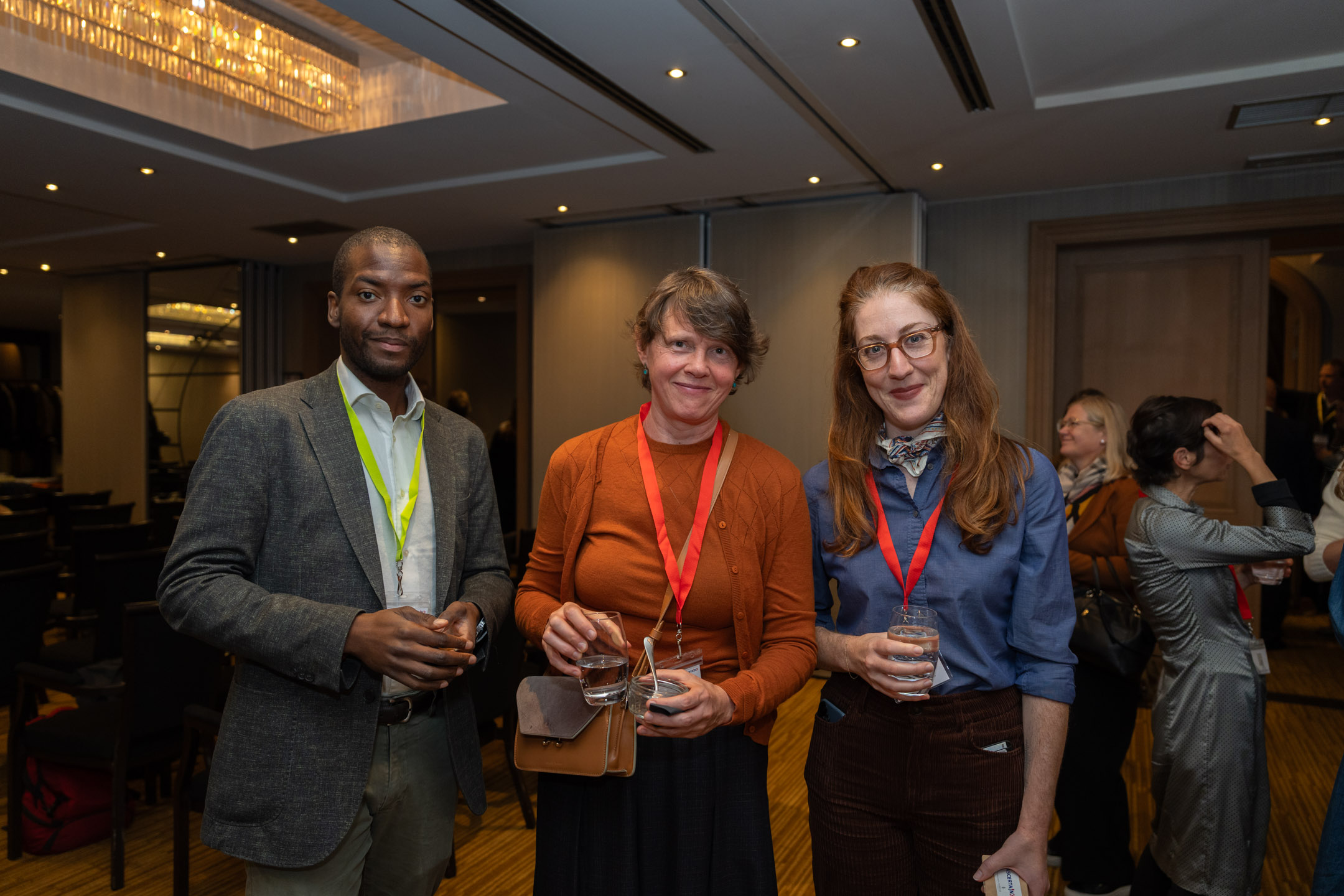
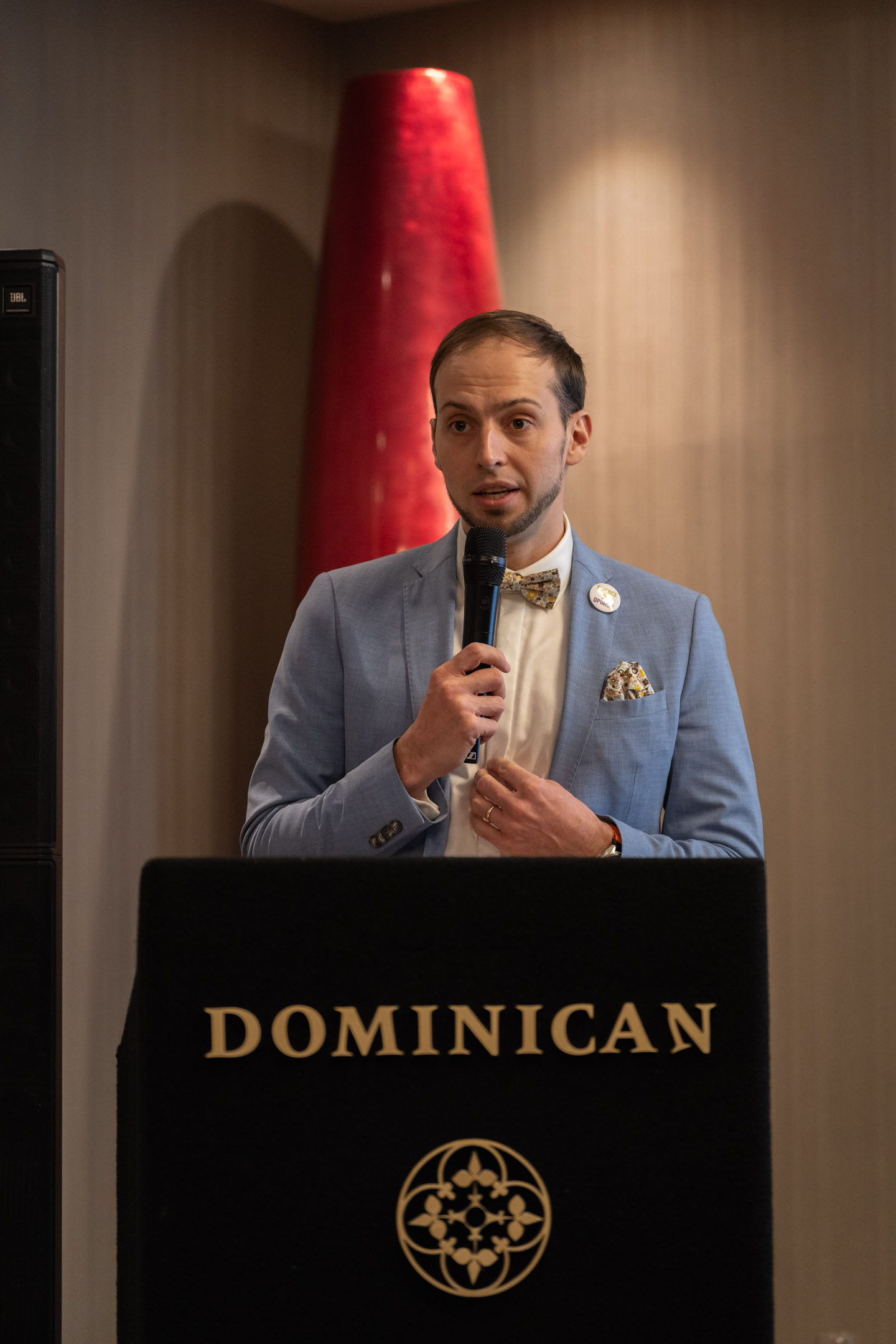
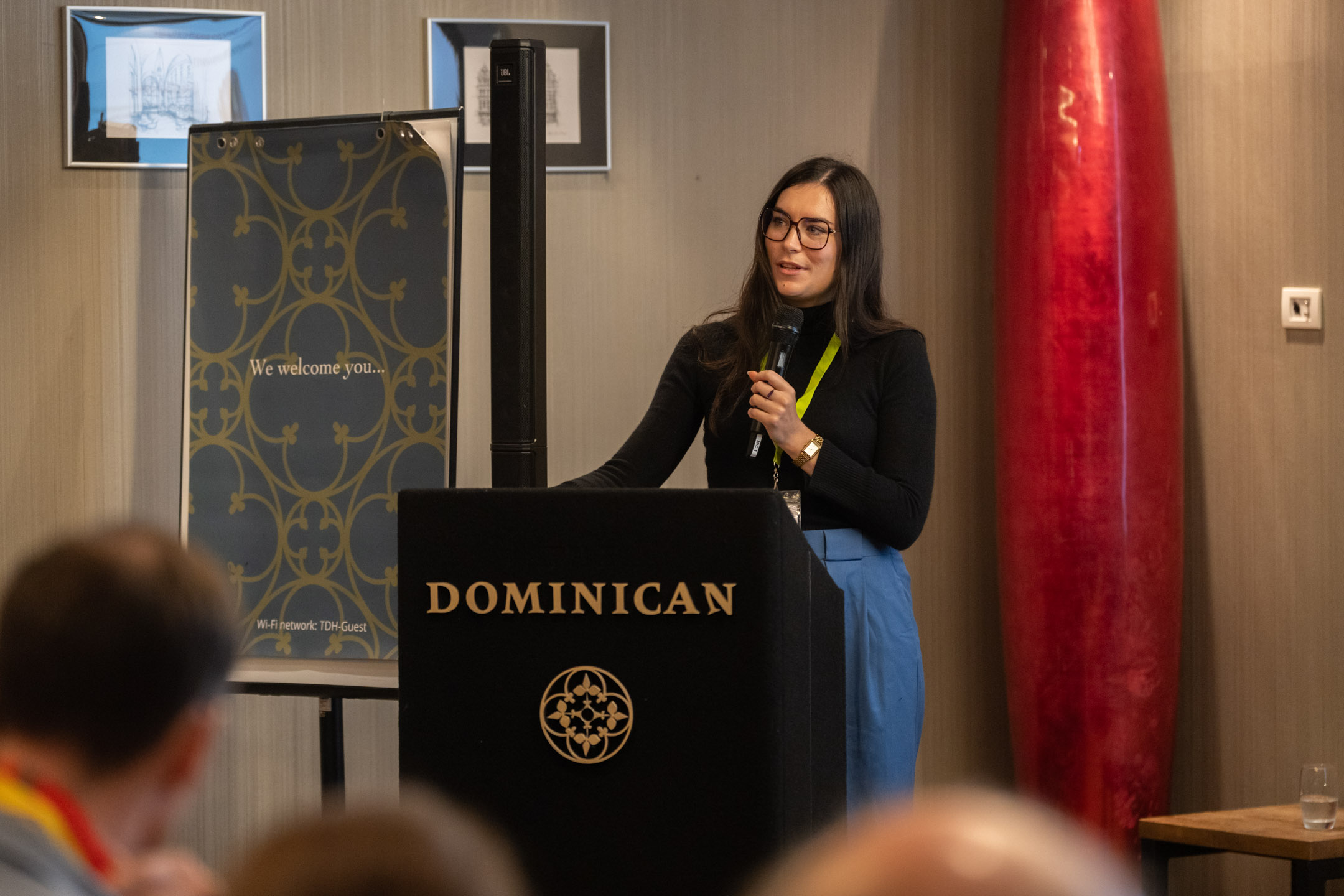
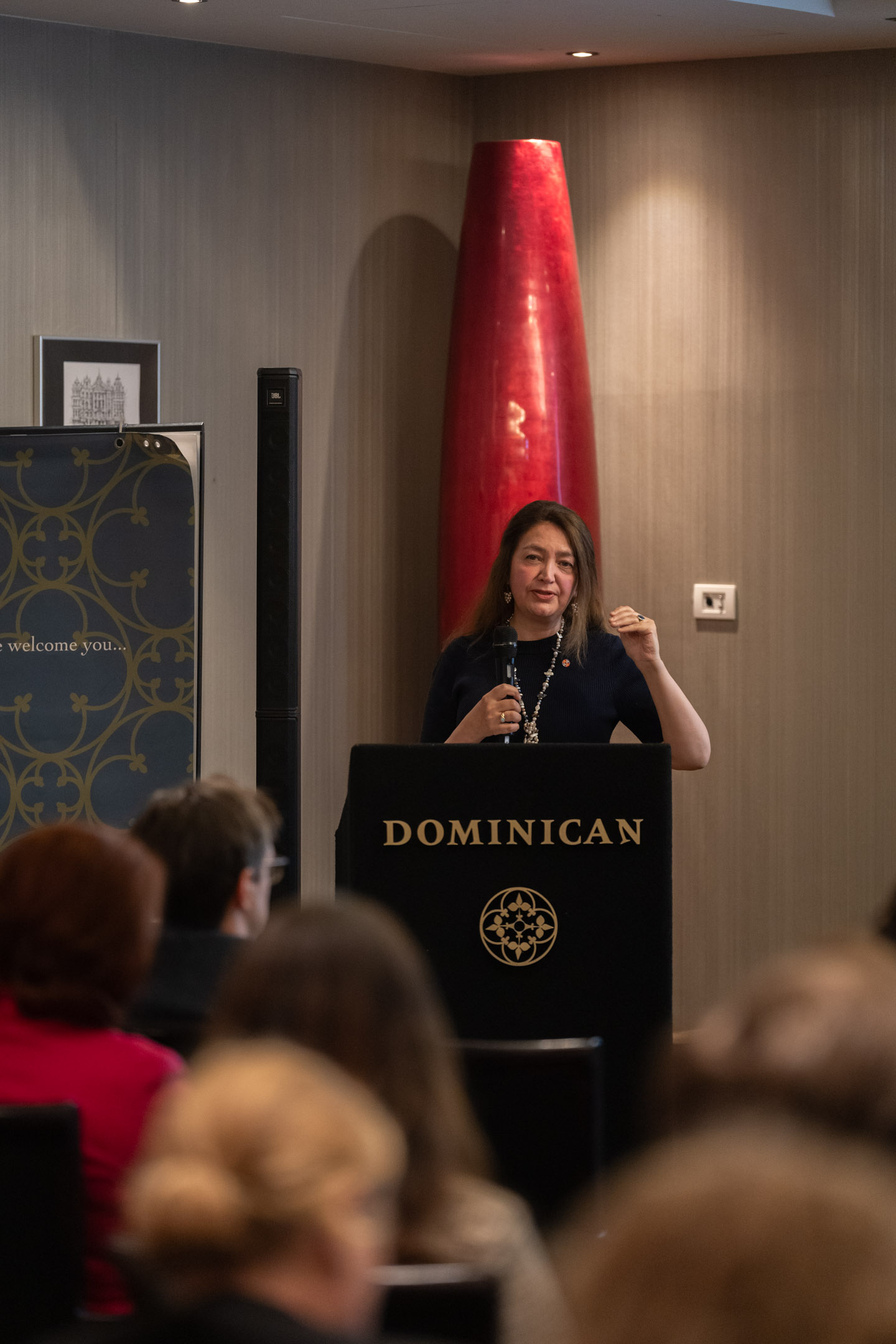
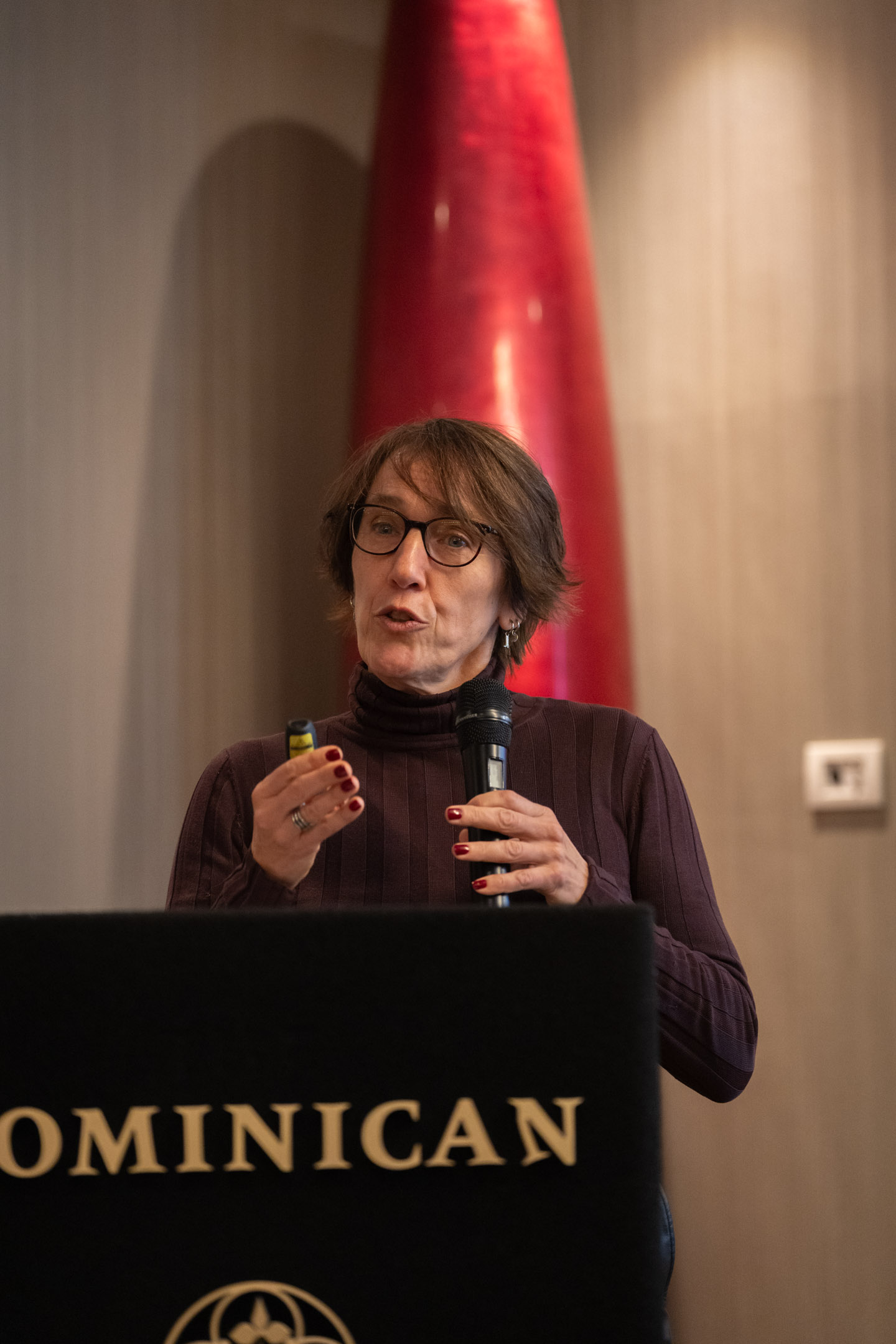


Conference photography: Pierre-Yves Jortay
Contact
Please get in touch with us if you have any questions or comments! We will get back to you as soon as possible.

For research-related questions:
Carin Uyl-de Groot
Project Coordinator
Erasmus University Rotterdam
ln.rue.mphse@lyu
Phone: +31 10 4081583
For general project questions:
Marcel Langone Marques
Project Manager
Erasmus University Rotterdam
ln.rue@seuqramenognal.lecram
Phone: +31 10 4081583
For communications:
Lena Jessen
Project Manager
OptiMedis
ed.sidemitpo@nessej.l
Phone: +49 40 226211490